

Staying active is essential for health, yet wearing braces can make sports tricky. Physical activity can sometimes damage brackets or wires, leading to pain or delays in orthodontic treatment. For those committed to an active lifestyle with braces, understanding how to protect teeth during workouts is crucial.
Protecting your smile does not mean avoiding exercise. With the right knowledge and preparation, anyone can enjoy sports while keeping their teeth safe. This article shares How to Exercise With Braces and 10 powerful hacks to protect your smile during workouts, improve athletic performance and braces, and ensure your braces stay intact.
Can I Still Play Sports With Braces?
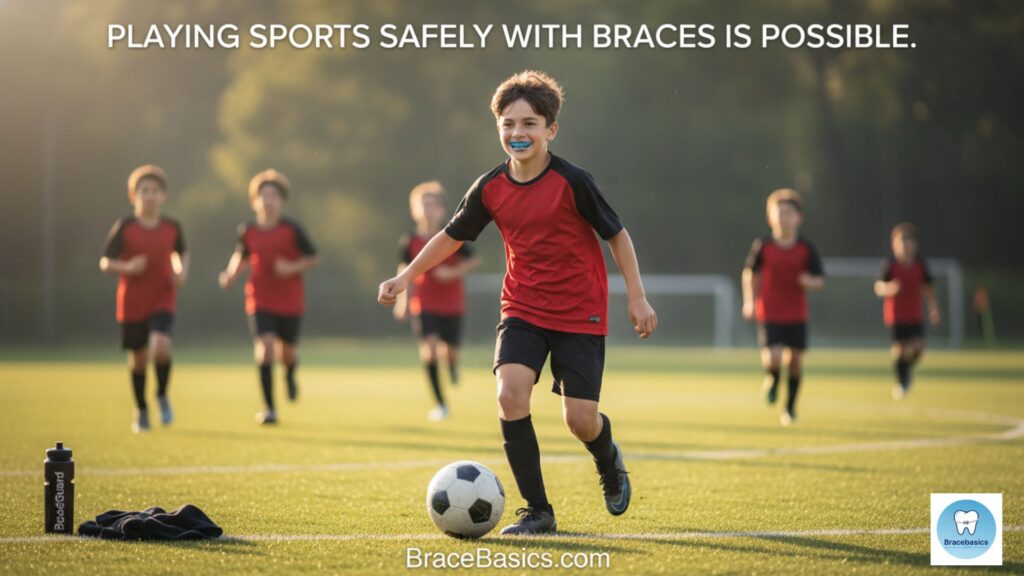
Many people wonder if braces stop them from enjoying sports. The truth is, playing sports with braces is safe with precautions. Teens and adults alike can continue their favorite activities while following sports protection rules and contact sports safety guidelines.
It’s important to remember that your teeth and braces are not fragile. By using orthodontic mouthguards and choosing appropriate sports, athletes can maintain their bite alignment while reducing risks of dental injuries. A proactive approach ensures that braces care and dental hygiene remain priorities.
Understanding Braces and Sports Safety
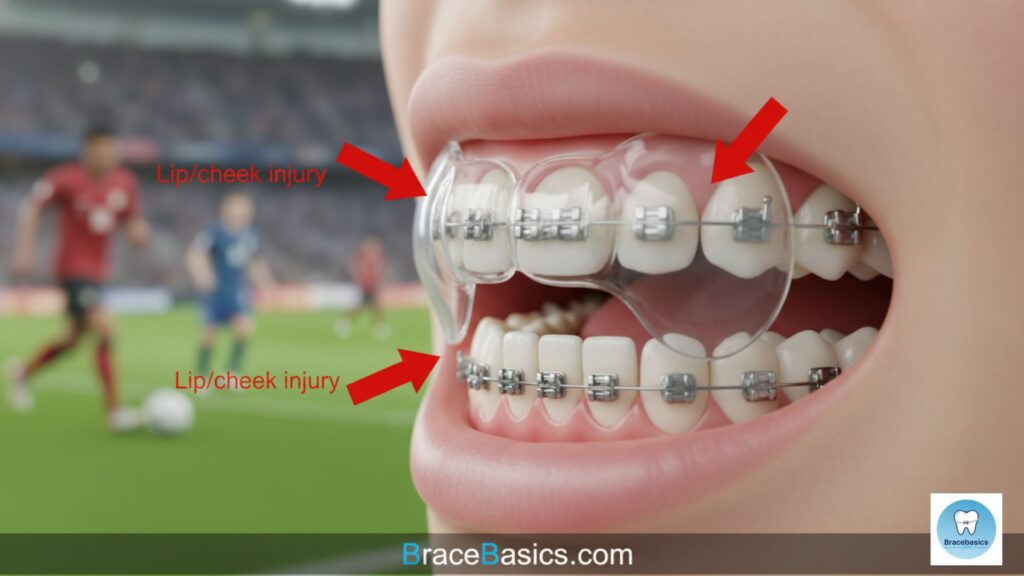
Braces move teeth slowly to achieve proper teeth alignment and correct jaw abnormalities. Physical activity, especially high-contact sports, can sometimes damage brackets or wires, leading to discomfort or the need for urgent emergency dental care. Understanding potential risks is the first step to safe sports participation.
Lip and cheek injuries are common during sports. Even minor hits can irritate the mouth or loosen brackets. Using custom mouthguards and following orthodontist guidance ensures your braces are protected while maintaining oral health. Proper preparation prevents plaque and gum disease from forming during intense activity.
How to Exercise With Braces?

Exercising with braces is entirely possible when you take the right precautions. Choosing low-impact sports and wearing an orthodontically friendly mouthguard minimizes dental injuries and protects your brackets and wires. Athletes can enjoy running, swimming, cycling, or even team sports safely while following simple routines.
Preparation is key. Always check your braces before play, stay hydrated, and maintain a travel-friendly oral hygiene kit nearby. Avoid sticky or hard foods before workouts, and follow your orthodontist guidance to reduce injury risk. Proper planning ensures you protect your smile during workouts while maintaining athletic performance and braces care.
10 Powerful Hacks to Protect Your Smile During Workouts
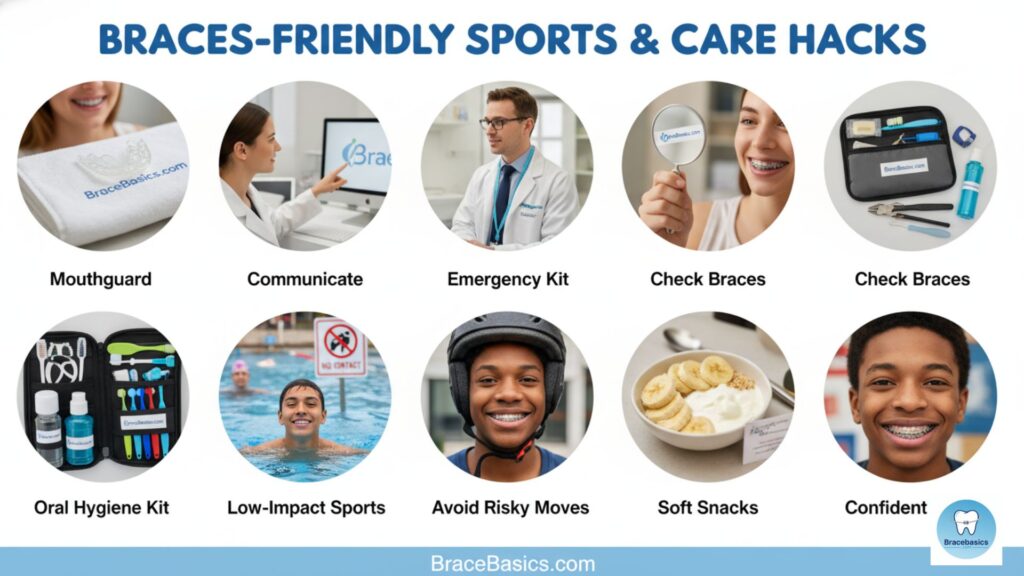
Wear an Orthodontic Mouth Guard
A well-fitted orthodontically friendly mouthguard is essential. Options include custom mouthguards and boil-and-bite types. This gear shields teeth, braces, and lips while reducing dental injuries. Athletes who wear a mouthguard consistently notice fewer incidents of chipped brackets and soft tissue cuts.
Communicate With Your Orthodontist
Discuss your planned activities with your orthodontist. They can recommend custom safety gear or adjustments to braces. Regular check-ups ensure that you follow treatment plan while participating in sports with braces safely. Clear communication reduces the risk of complications.
Know What to Do in Case of a Braces Emergency
Being prepared for accidents is vital. Keep tools like orthodontic wax, soft gauze, and a small travel-friendly oral hygiene kit ready. Knowing how to respond minimizes pain and damage during a braces emergency. Quick action can prevent severe lip and cheek injuries.
Check Your Braces Before Play
Before each activity, inspect wires, brackets, and attachments. Make sure nothing is loose to protect brackets and wires. Ensuring everything is secure reduces the risk of dental injuries and keeps braces maintenance on track.
Maintain Oral Hygiene on the Go
Carry a travel-friendly oral hygiene kit with toothbrush, floss, and mouth rinse. Rinsing after snacks or drinks prevents plaque and gum disease. Simple habits to maintain oral hygiene on the go help keep teeth healthy even during long practice sessions.
Choose Safe Sports and Activities
Selecting low-impact sports like swimming, cycling, or jogging is gentle on braces. For team sports like basketball or soccer, using custom safety gear and orthodontically friendly mouthguards reduces injury risk. Understanding which activities are braces-friendly improves safety and enjoyment.
Avoid Risky Moves and High-Impact Collisions
Avoiding reckless actions is crucial. Moves with high collision risks can break wires, loosen brackets, and cause lip and cheek injuries. Playing smart while protecting your braces ensures both athletic performance and braces care are maintained.
Use Extra Padding if Necessary
For high-contact sports, extra padding like lip guards or headgear is highly recommended. Hockey, martial arts, and football players benefit from custom safety gear that shields braces and prevents dental injuries. Proper padding complements wear a mouthguard strategies.
Keep Snacks and Water Handy
Consuming soft foods for braces and staying hydrated protects brackets. Hard, sticky, or chewy foods can damage wires. Simple snacks like bananas, yogurt, or soft sandwiches maintain energy while supporting braces care. Always stay hydrated during workouts to prevent fatigue.
Smile Confidently and Stay Positive
Confidence is part of success. Embrace braces as a temporary step toward a stronger smile. Maintaining a positive attitude improves athletic performance and braces safety. Smiling encourages a healthy mindset and reduces stress during sports with braces.
How Braces Can Actually Help Athletic Performance
Proper bite alignment and teeth alignment can enhance jaw stability, improving breathing efficiency during sports. Correct positioning of teeth allows better force distribution while chewing or speaking, indirectly benefiting athletic performance and braces.
Braces also encourage disciplined routines. Following braces maintenance and orthodontist guidance while participating in sports instills good habits. Over time, athletes notice fewer injuries and better overall oral health, demonstrating the advantages of combining braces and exercise.
The Right Way to Play
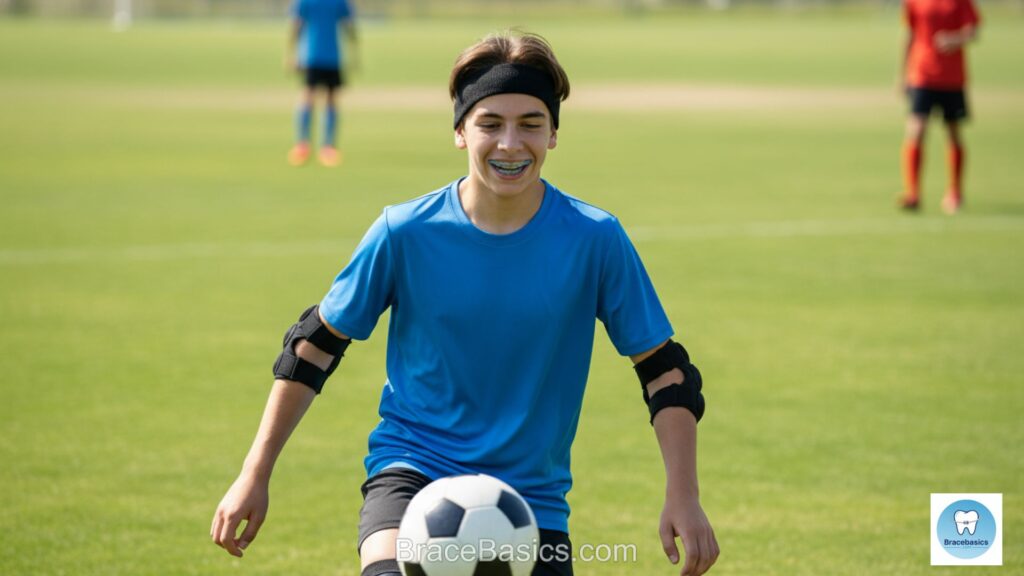
Smart play is the safest play. Focusing on technique, sports protection, and avoiding high-risk collisions ensures safety for teeth and gums. Proper warm-ups, stretching, and situational awareness reduce chances of lip and cheek injuries while maintaining active lifestyle with braces.
Using custom mouthguards, orthodontically friendly mouthguards, and following a structured routine protects brackets and wires. Athletes who adhere to these rules see better performance and fewer interruptions in their orthodontic treatment.
Smile Makes You H-A-Double-P-Y
Proper care, preparation, and confidence lead to a radiant smile. When athletes protect their smile during workouts, they enjoy both safety and beauty. Staying mindful of braces, using sports protection, and following hygiene routines ensures a confident, healthy smile that lasts long after orthodontic treatment.
Smiles inspire motivation and positivity. Combining orthodontist guidance, custom safety gear, and an active lifestyle with braces reinforces a strong sense of accomplishment, making every workout safer and more enjoyable.
Example Table: Safe vs Risky Sports for Braces Wearers
| Sport Type | Recommended | Notes |
| Swimming | ✅ Low-impact | Minimal risk to brackets |
| Cycling | ✅ Low-impact | Use helmet and mouthguard |
| Basketball | ⚠️ Moderate-contact | Wear custom mouthguard |
| Football | ⚠️ High-contact | Use extra padding and mouthguard |
| Hockey | ⚠️ High-contact | Mandatory lip guard and custom mouthguard |
| Running | ✅ Low-impact | No special gear required |
FAQs
Can I Do Exercise With Braces?
Yes, you can absolutely exercise with braces. Braces do not prevent physical activity, but taking certain precautions is important to avoid dental injuries, lip and cheek injuries, or broken brackets and wires. Always wear a mouthguard, stay hydrated, and protect your smile during workouts. Light exercises like jogging, cycling, and yoga are safe, while high-contact activities require extra care.
Maintaining proper oral hygiene and keeping braces clean before and after workouts ensures your orthodontic treatment stays on track. Using a travel-friendly oral hygiene kit during long sessions helps prevent plaque and gum disease, and following orthodontist guidance keeps your braces safe.
Can I Play Sports With Braces?
Yes, you can play sports while wearing braces, but you must choose the right protection. High-contact sports can increase the risk of dental injuries, so using orthodontically friendly mouthguards and custom safety gear is highly recommended. With the proper precautions, braces do not stop you from being active or improving athletic performance and braces care.
Here are 10 braces-friendly sports and games you can play safely:
- Swimming – low-impact, no direct hits to teeth.
- Running – gentle on braces, improves fitness.
- Cycling – requires a helmet; braces are safe.
- Basketball – moderate-contact; use a mouthguard.
- Soccer – wear custom safety gear for protection.
- Volleyball – low-contact, braces-safe.
- Tennis – low-impact, avoids high-risk collisions.
- Gymnastics – focus on padded surfaces.
- Martial Arts – only with orthodontically friendly mouthguards and proper supervision.
- Yoga – completely safe, improves flexibility and posture.
Can I Go to the Gym With Braces?
Yes, going to the gym is safe with braces. Most low-impact exercises like treadmill running, stationary cycling, rowing, and resistance training do not interfere with braces. However, avoid chewing gum or sticky energy bars during workouts, as they can damage wires or brackets.
Always stay hydrated, avoid sticky or hard foods, and use custom mouthguards if doing high-intensity exercises that involve contact or heavy equipment. Maintaining proper braces care while exercising ensures your active lifestyle with braces remains safe and effective.
What Aren’t You Allowed With Braces?
When you have braces, certain foods, habits, and activities can damage your brackets, wires, or overall orthodontic treatment. Avoiding them is essential to protect your smile during workouts and maintain proper teeth alignment.
You should avoid sticky or hard foods like caramel, chewing gum, hard candies, popcorn, and ice. These can bend wires, loosen brackets, or even break them. Crunchy snacks like nuts, raw carrots, and apples should be cut into small pieces before eating. Braces-friendly foods such as soft fruits, yogurt, pasta, and cooked vegetables are safe alternatives.
Chewing on pens, nails, or other hard objects is prohibited, as it can damage brackets and wires. High-impact habits like biting directly into hard sandwiches, bagels, or tough meat can also break your braces. Using your teeth as tools—for example, opening packages or bottles—is risky and should never be done.
In addition, avoid neglecting dental hygiene. Skipping brushing or flossing can lead to plaque and gum disease, stains, and even cavities around brackets. Always keep braces clean and maintain a travel-friendly oral hygiene kit if you’re on the go.
Lastly, during sports or physical activity, don’t skip wearing an orthodontically friendly mouthguard. Even low-contact exercises can cause lip and cheek injuries or broken wires if you fall or get hit. Following these precautions helps ensure your braces maintenance stays on track and your smile remains healthy.
Related Posts
You might also enjoy these helpful guides on caring for braces and staying comfortable during your treatment:
How to Go to School With Braces – Learn practical tips to manage your braces care during a busy school day while keeping your teeth clean and safe.
How to Eat at Restaurants With Braces – Discover strategies to enjoy meals safely without damaging your braces, including braces-friendly foods and tips for maintaining oral health on the go.
How to Sleep With Braces Without Pain – Explore techniques to reduce discomfort while sleeping and prevent irritation, supporting overall dental hygiene and braces maintenance.
Hi, I’m Dr. Martin, the founder of BraceBasics.com. With years of experience in orthodontics, I’ve made it my mission to simplify braces care for patients of all ages. Here, you’ll find easy-to-understand advice, practical tips, and reliable resources to make your braces journey smoother, healthier, and stress-free. My goal is to help you smile with confidence every step of the way.