
Pop-Tarts sit at the heart of many American breakfasts. They’re quick sweet and comforting. Braces change how simple foods behave. Many people ask can you eat pop-tarts with braces without harming brackets or wires. The answer depends on texture timing and care. Understanding these details protects progress and confidence.
Braces create tiny food traps and pressure points. That makes pop tarts and braces safety a real concern. This guide explains risks solutions and smarter habits. You’ll learn how to enjoy treats while supporting orthodontic treatment care and long-term smile health.
Why Pop-Tarts and Braces Are a Tricky Combo
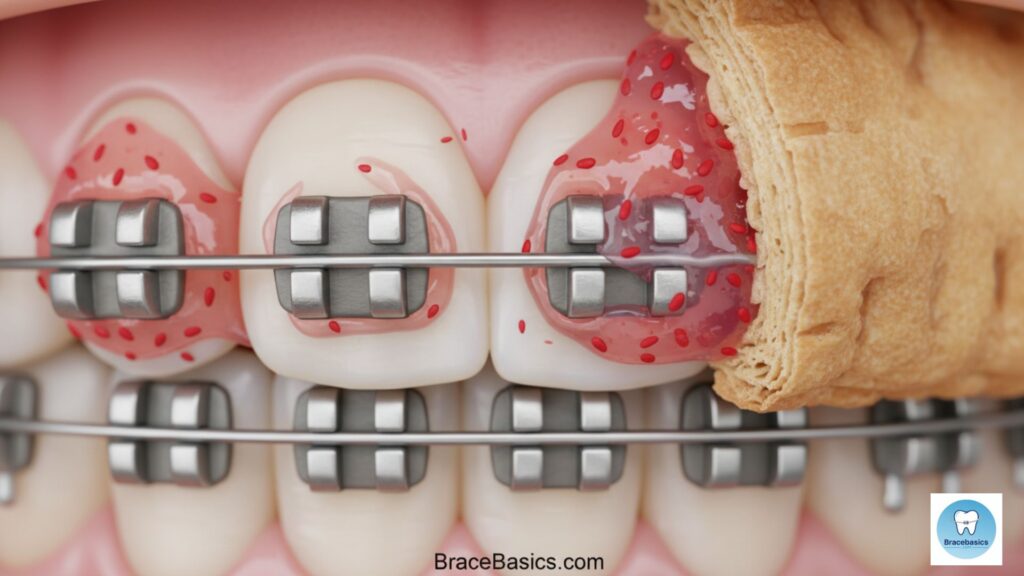
Pop-Tarts combine soft pastry with sticky filling and hard crust edges. That contrast stresses brackets during chewing. The pastry compresses while the filling clings. This tension can lead to wire bending and discomfort.
Sugar adds another layer of trouble. High sugar content fuels bacteria around brackets. That encourages plaque buildup and raises enamel damage risk. Together these factors explain why toaster pastries and braces don’t mix easily.
Can You Eat Pop-Tarts With Braces?
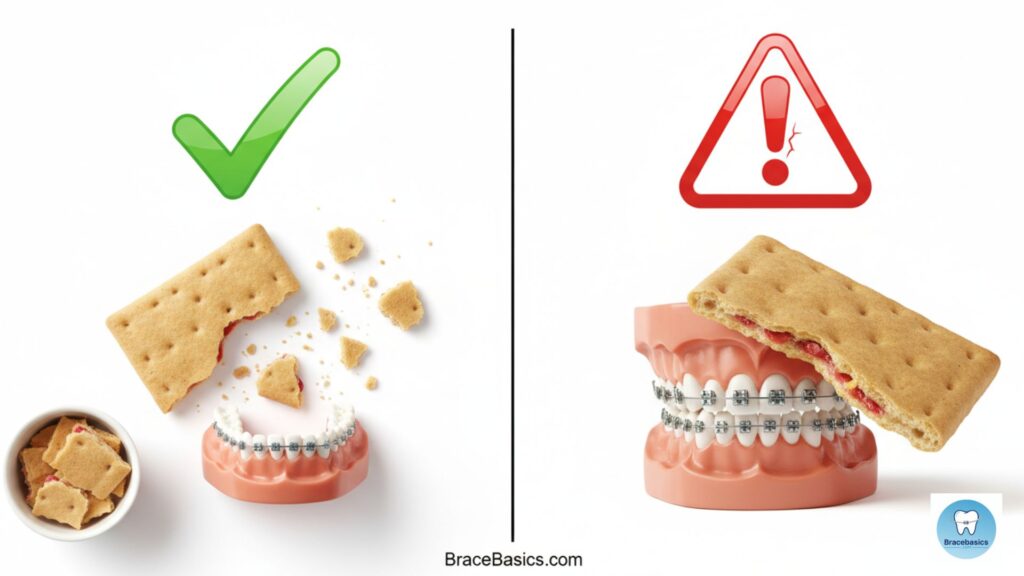
Yes, you can eat Pop-Tarts with braces, but caution matters. The key is keeping them soft and avoiding anything that puts stress on brackets or wires. Hard crusts, sticky fillings, or frozen textures can easily bend wires or loosen brackets. Instead of biting straight into a Pop-Tart, soften it first and eat it gently.
The safest way to enjoy Pop-Tarts with braces is to warm them briefly in the microwave. Heating softens the pastry and lowers the risk of damage. Eating them straight from the package is also safer than toasting or freezing. Cutting the Pop-Tart into small pieces helps reduce pressure and prevents hard crusts from snapping against brackets.
Some varieties should be avoided completely. Pop-Tarts with nuts, candy pieces, or chunky fillings are too hard and increase the risk of broken brackets. Frozen Pop-Tarts become extremely firm and can damage wires. Extra-toasted Pop-Tarts are also risky because the crust turns brittle and sharp.
A good rule to remember is simple. If a food feels hard, sticky, or overly chewy, it’s better to skip it or soften it first. Choosing softer textures helps prevent painful wire bends, broken brackets, and unexpected orthodontic repairs.
Why Pop-Tarts Can Damage Braces
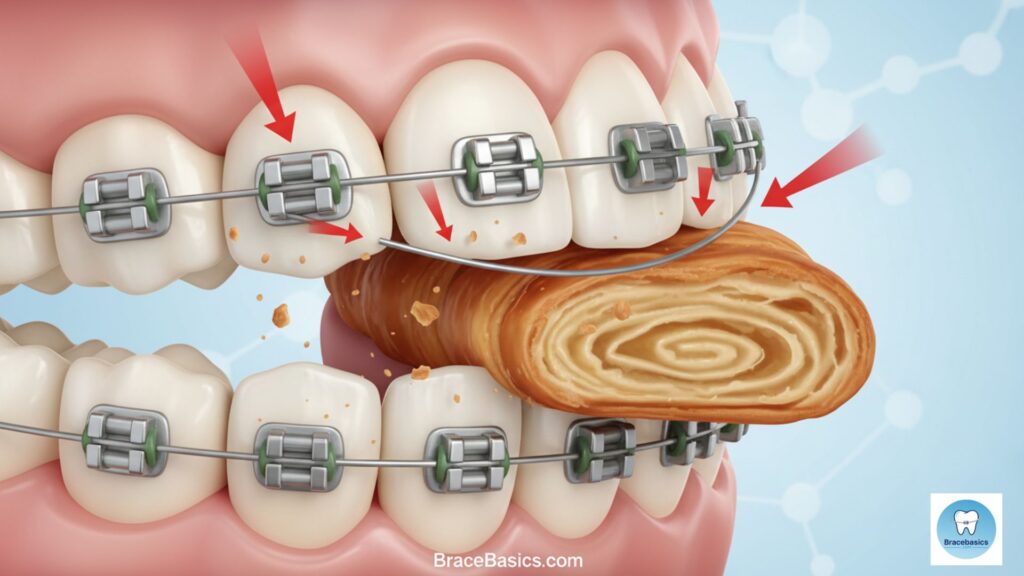
Mechanical stress causes most issues. Dense bites apply uneven chewing pressure on brackets. That strain leads to bracket breakage and misaligned wires. Repairs slow treatment and add cost.
Chemical effects matter as well. Sugars linger around hardware. Bacteria thrive and acids attack enamel. Over time this causes enamel damage that may outlast braces removal.
Sticky Fillings and Bracket Pulling
The filling clings during chewing. That sticky filling tugs at brackets and elastics. Sudden pulls loosen adhesive bonds and cause soreness.
This pulling worsens with warm pastries. Heat softens fillings further. That’s why preparation choices matter for dental health protection and comfort.
Hard Edges and Wire Bending
Toasted crusts stiffen. Those hard crust edges act like levers against wires. One wrong bite can cause wire bending that pokes cheeks.
Front teeth face higher risk. They absorb first contact. Protecting them reduces emergency visits and supports braces maintenance tips.
High Sugar and Plaque Buildup
Pop-Tarts carry heavy sugar content. Sugars feed plaque fast. With brackets present cleaning gets harder.
That environment boosts plaque buildup and white spots. These marks signal early decay. Strong cleaning habits protect smiles during treatment.
5 Powerful & Safer Ways to Eat Pop-Tarts With Braces
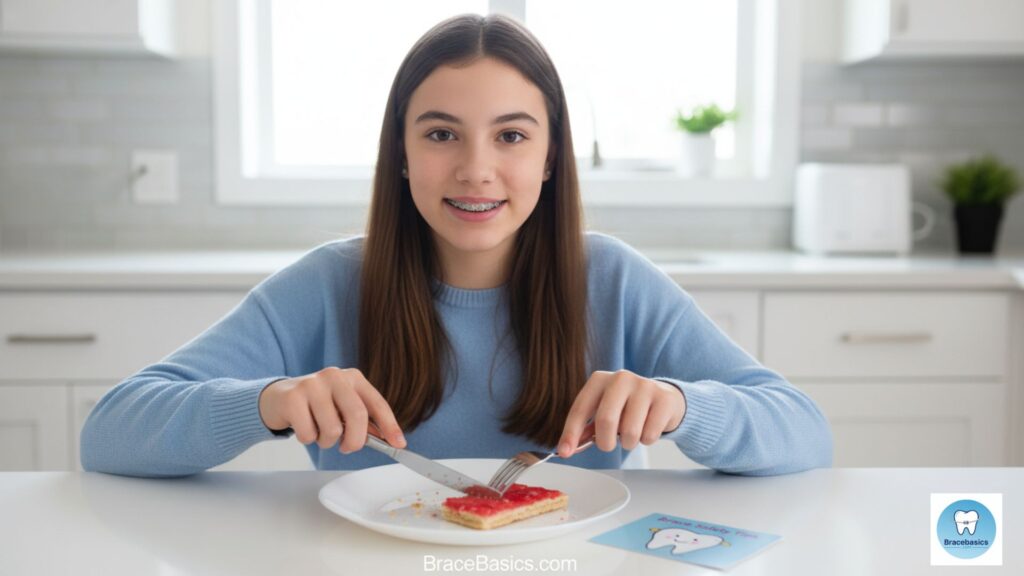
Smart strategies reduce risk. These safer eating techniques focus on texture control portion size and cleaning. They don’t remove risk entirely but lower it.
Using care transforms treats into occasional indulgences. Balance supports progress and peace of mind for orthodontic treatment care.
1. Never Toast Pop-Tarts
Heat changes texture fast. Toasting creates firmer crusts and gooier centers. That mix increases chewing pressure on brackets.
Eating them unheated keeps pastry softer. Soft textures protect wires and reduce pulling. This simple step supports softening food before eating naturally.
2. Cut Into Small, Bite-Sized Pieces
Large bites overload brackets. Smaller portions spread force evenly. Cutting into bite-sized pieces lowers sudden stress.
This habit mirrors dentist advice for many foods. It’s practical and effective for safe snacks for braces wearers.
3. Use Back Teeth Only
Front brackets face most damage. Chewing with molars shifts force away. That protects visible brackets from bracket breakage.
Back teeth handle pressure better. This technique improves comfort and supports braces-friendly breakfast snacks choices.
4. Choose Softer Flavors Carefully
Not all flavors behave alike. Smooth fillings feel gentler. Thick fillings pull more. Flavor choice matters for are pop tarts safe for braces decisions.
Unfrosted options often stick less. Softer centers reduce strain. Texture awareness boosts dental health protection.
5. Clean Your Teeth Immediately After
Residue hides around brackets. Prompt cleaning stops bacteria growth. This protects enamel and gums.
Brushing and flossing reduce plaque buildup and odor. Consistent care defines strong oral hygiene with braces.
Best Pop-Tart Flavors for Braces (Least Risky Options)
Softer fillings and thinner crusts work best. Flavors with smooth fruit centers tend to pull less. Texture matters more than sweetness alone.
Here’s a quick comparison table for guidance.
| Texture Type | Relative Risk |
| Smooth fruit filling | Lower |
| Thick frosting layers | Medium |
| Crunchy crust styles | Higher |
Choosing wisely supports eating pop tarts with orthodontic braces safely.
Worst Pop-Tart Flavors to Avoid With Braces
Extra-thick fillings increase pulling. Crunchy varieties strain wires. These traits heighten wire bending and soreness.
Avoid options marketed as crispy or stuffed. They rank high among foods to avoid with braces due to texture stress.
What Orthodontists Say About Pop-Tarts
Dental experts stress moderation. Many advise limiting toaster pastries. They highlight sugar exposure and mechanical risks.
Orthodontists often suggest orthodontist-approved snacks instead. Soft low-sugar foods protect enamel and brackets while satisfying hunger.
Healthier and Braces-Friendly Alternatives to Pop-Tarts
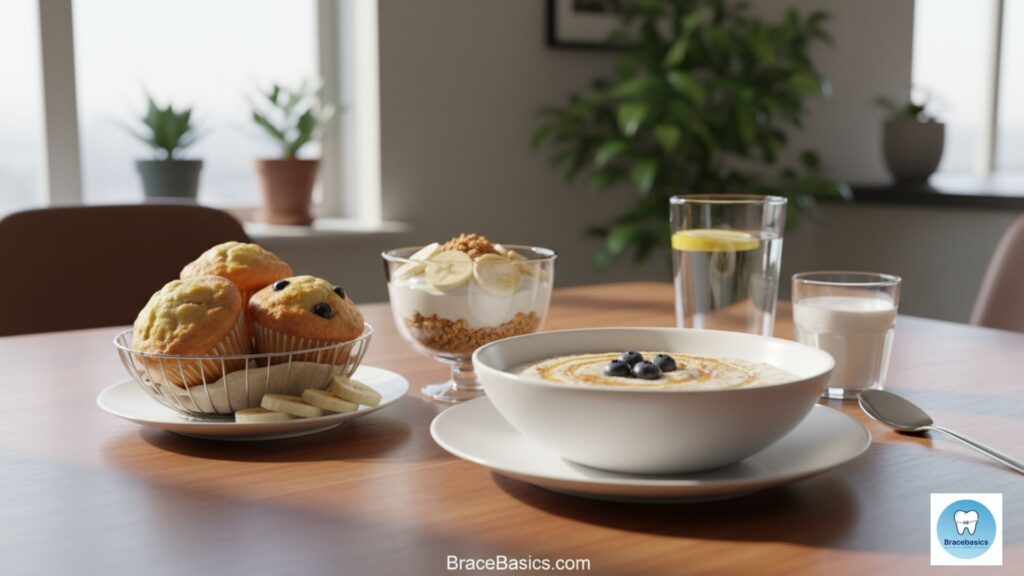
Soft breakfasts reduce stress. Options like oatmeal yogurt or soft muffins work well. These count as braces-friendly breakfast snacks.
Lower sugar choices reduce sugary snacks and braces problems. Balanced swaps support energy without harming progress.
How Often Can You Eat Pop-Tarts With Braces?
Occasional treats fit best. Weekly or monthly indulgence limits risk. Daily habits invite damage and decay.
Spacing treats protects enamel. It also reduces emergency visits. Frequency control supports dental health protection long term.
What to Do If a Pop-Tart Damages Your Braces
Stop chewing immediately. Rinse mouth gently. Use orthodontic wax if wires poke.
Contact the orthodontist soon. Prompt care prevents setbacks and maintains orthodontic treatment care schedules.
Final Verdict: Should You Eat Pop-Tarts With Braces or Skip Them?
Pop-Tarts aren’t forbidden but they’re risky. With smart prep they fit as rare treats. Without care they cause damage.
So can you eat pop tarts with braces? Yes cautiously. Choose softer textures use care clean well and prioritize safer eating techniques for a smooth journey.
FAQs
Can you eat unfrosted Pop-Tarts with braces?
Unfrosted Pop-Tarts are slightly safer than frosted ones because they have less sugar and reduced sticky filling. The pastry is softer and less likely to pull on brackets, which lowers bracket breakage and wire bending risks. However, chewing still requires care. Eating in bite-sized pieces and avoiding front teeth prevents excessive chewing pressure, while brushing immediately after reduces plaque buildup and enamel damage. In short, they are safer but not completely risk-free.
Are Pop-Tarts worse than cookies for braces?
Pop-Tarts are generally riskier than soft cookies because of hard crust edges and the gooey fillings that cling to braces. While cookies can sometimes be soft, Pop-Tarts combine sugar and texture stress, which increases tooth decay risk and complicates oral hygiene with braces. However, extremely soft cookies with minimal sugar can be a better option. The key is always safer eating techniques, softening food before eating, and cleaning afterward to protect dental health protection.
Can kids with braces eat Pop-Tarts?
Kids with braces can eat Pop-Tarts only occasionally and with supervision. Children often chew faster, increasing chewing pressure and risk of bracket breakage. Cutting the Pop-Tarts into bite-sized pieces, avoiding front teeth, and encouraging orthodontic treatment care habits like brushing after meals makes it safer. Parents should also focus on safe snacks for braces wearers to balance treats with braces-friendly breakfast snacks.
Do Pop-Tarts cause cavities with braces faster?
Yes, Pop-Tarts can speed up cavities because their high sugar content feeds bacteria that cling to brackets and wires. The combination of sticky filling and limited access around braces increases plaque buildup and accelerates enamel damage. Regular brushing, flossing, and limiting Pop-Tarts to occasional treats significantly reduce tooth decay risk. Choosing softer textures and following braces maintenance tips can protect teeth while still allowing a rare indulgence.
Related Posts You Should Read
Can You Eat Fruit Snacks With Braces?
Can You Eat Jelly Beans With Braces?
Can You Eat Oreos With Braces?
Can You Eat Caramel With Braces?
Can You Eat Cookies With Braces?
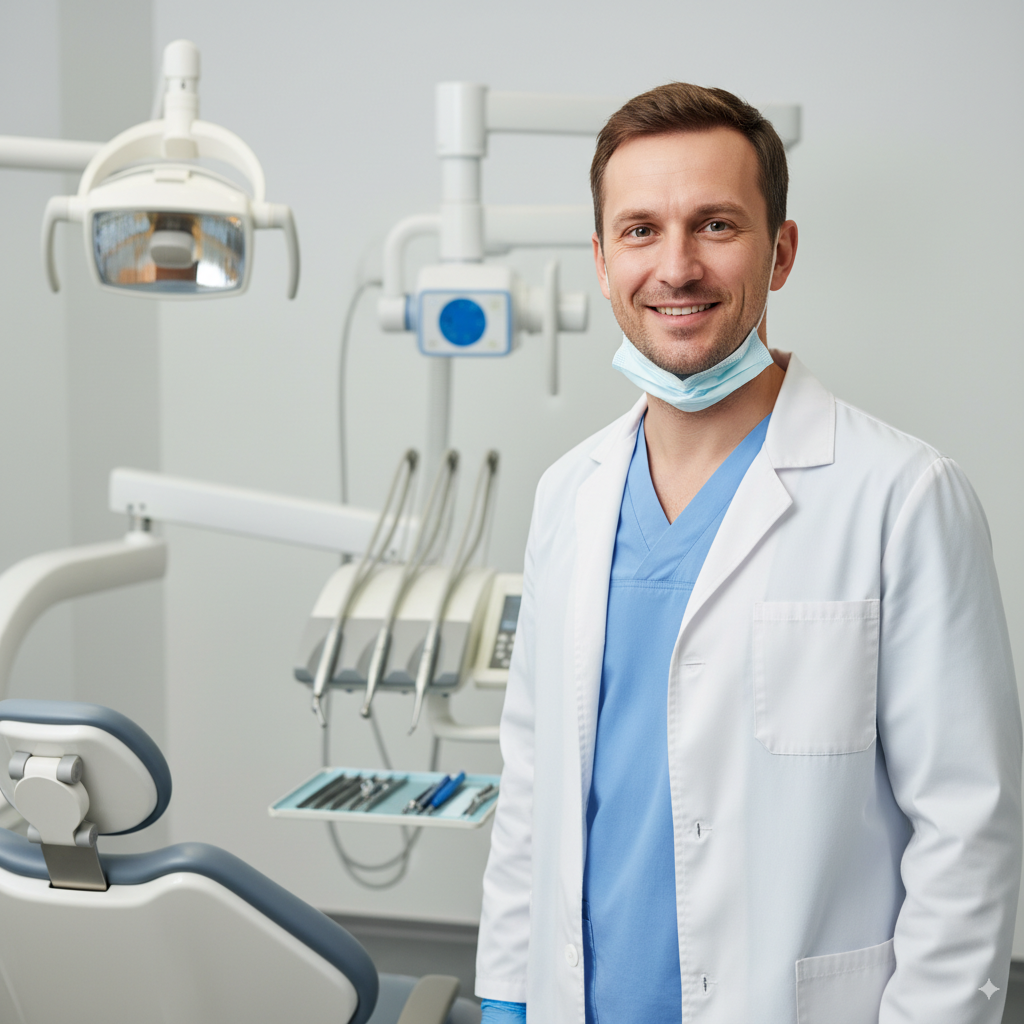
Hi, I’m Dr. Martin, the founder of BraceBasics.com. With years of experience in orthodontics, I’ve made it my mission to simplify braces care for patients of all ages. Here, you’ll find easy-to-understand advice, practical tips, and reliable resources to make your braces journey smoother, healthier, and stress-free. My goal is to help you smile with confidence every step of the way.