
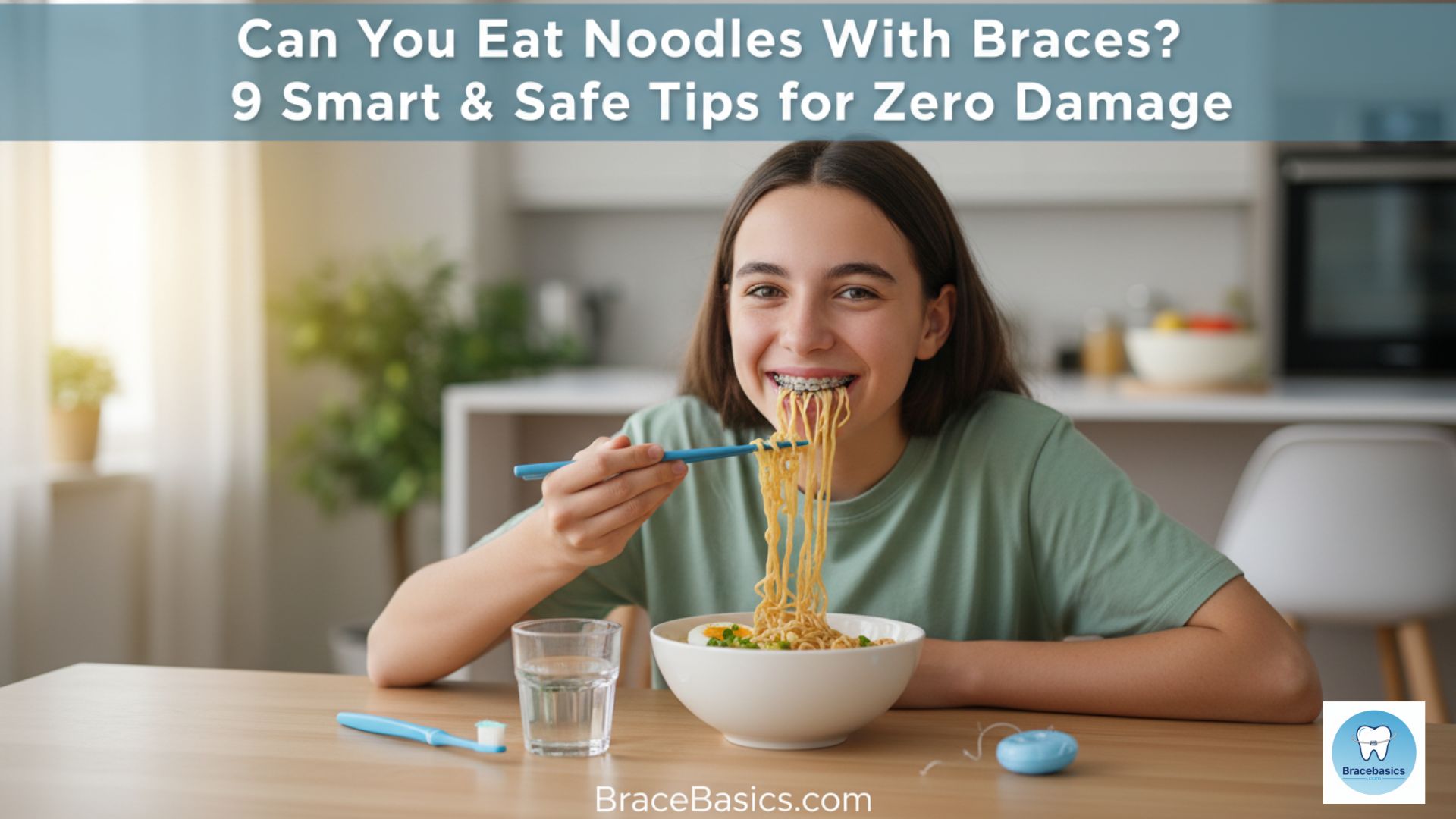
Wearing braces often creates fear around simple meals, and noodles sit high on that worry list. Many people assume noodles automatically cause brackets and wires damage during orthodontic treatment. That fear makes sense, especially when comfort foods suddenly feel risky and confusing.
The clear answer appears early for peace of mind. Can you eat noodles with braces? Yes, noodles are generally safe when eaten the right way. Understanding texture, chewing habits, and cleaning routines helps you enjoy braces safe comfort foods without pain or costly repairs.
Can You Eat Noodles With Braces?
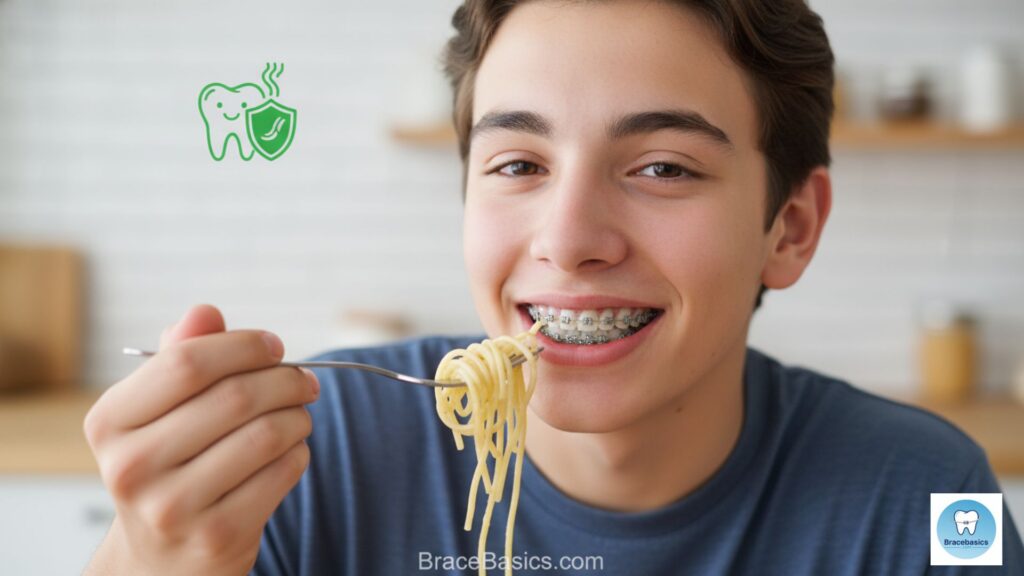
Yes, you can eat noodles with braces, and they’re actually one of the safest comfort foods during orthodontic treatment. Soft noodles are gentle on brackets and wires, so they don’t create sudden pressure like hard or crunchy foods. Plain noodles, ramen, rice noodles, and well-cooked instant noodles are usually braces-friendly when prepared correctly. The key thing is texture. Overcooked or soft noodles slide easily between teeth and reduce the risk of braces pain after eating. Very chewy or sticky noodles can wrap around brackets and wires, which may feel uncomfortable and harder to clean later.
Sauce also matters. Thick, sticky sauces can get trapped in braces and increase plaque buildup. Lighter broths or smooth sauces are easier to manage and safer for dental hygiene.
It’s best to take small bites and avoid slurping long strands aggressively. Cutting noodles slightly or chewing slowly helps prevent pulling on wires.
After eating noodles, rinsing your mouth with water and brushing gently removes trapped food and protects your braces from stains or irritation.
Can You Eat Noodles With Braces During the First Week of Treatment?
Yes, you can eat noodles with braces during the first week of treatment, but you need to be extra careful. The first week is usually the most sensitive period, as your teeth and gums are adjusting to brackets and wires, and chewing pressure on braces can cause soreness.
Soft, well-cooked noodles for braces are ideal because they are gentle and won’t pull on wires or loosen brackets. Avoid sticky, chewy, or hard noodles and sauces that can trap food, which may lead to plaque buildup around braces or gum irritation while wearing braces.
It’s best to cut noodles into small bites, eat slowly, and rinse your mouth afterward. Following orthodontist food guidelines and a post-meal brushing routine ensures your braces alignment stays safe and reduces braces pain after eating noodles.
Why Noodles Are Usually Safe With Braces
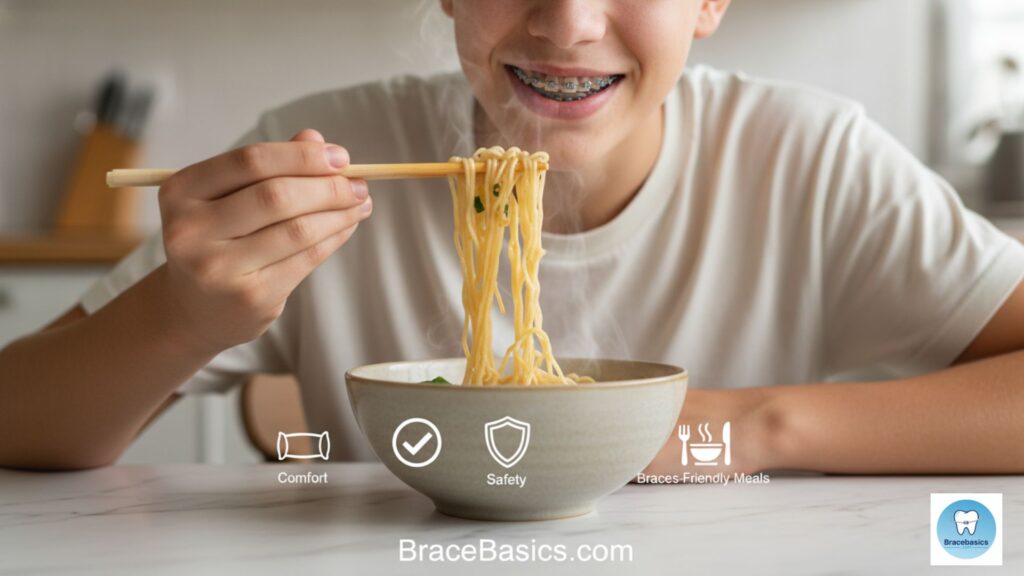
Noodles are usually safe because they soften easily and don’t snap against teeth. Their flexible texture reduces chewing pressure on braces and lowers the chance of sudden force on brackets. Orthodontists often include noodles in orthodontic friendly meals lists.
Soft noodles bend instead of resisting your bite. That flexibility protects enamel and wires during orthodontic treatment care. When cooked properly, noodles become one of the most reliable foods to eat with braces during sensitive phases.
When Noodles Can Damage Braces
Problems appear when noodles are undercooked, thick, or sticky. These textures can cling tightly and increase the risk of broken brackets during chewing. Long strands also raise the chance of food stuck in braces, causing discomfort.
Aggressive chewing or slurping creates uneven force. That stress threatens maintaining braces alignment and may cause braces pain after eating noodles. Poor cleaning afterward leads to plaque buildup around braces and gum irritation.
9 Smart & Safe Tips to Eat Noodles With Braces
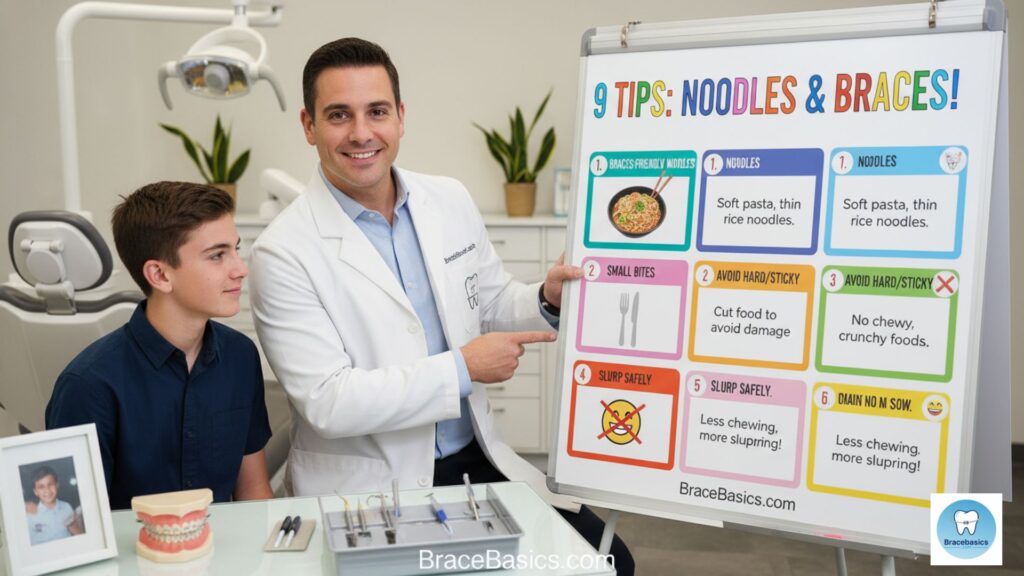
Tip 1: Choose Soft, Well-Cooked Noodles
Softness protects brackets better than firmness. Fully cooked noodles for braces bend gently and reduce stress on wires. Texture matters more than noodle type when protecting orthodontic hardware.
Overcooking slightly is often safer. It lowers resistance and helps avoid chewing pressure on braces during each bite.
Tip 2: Avoid Chewy or Thick Noodle Types
Thick noodles like udon resist biting and pull on wires. This increases risk of broken brackets and discomfort during meals. Chewy textures conflict with braces diet restrictions.
Thin noodles glide smoothly and reduce force. Choosing wisely helps keep orthodontic treatment care on track.
Tip 3: Cut Long Noodles Before Eating
Cutting noodles short prevents tugging on brackets. This simple habit reduces brackets and wires damage significantly. It also supports cutting food into small bites, which orthodontists recommend.
Shorter strands improve control. Less pulling means better maintaining braces alignment throughout treatment.
Tip 4: Eat Slowly and Take Small Bites
Slow eating spreads pressure evenly across teeth. Small bites minimize chewing pressure on braces and reduce pain afterward. Rushing meals often leads to soreness.
This habit supports comfort and lowers gum irritation while wearing braces. Calm chewing protects sensitive teeth.
Tip 5: Pick Light Sauces Over Sticky Ones
Sticky sauces cling to brackets and raise plaque buildup around braces risk. Thick sauces also trap debris, causing hygiene issues. Light broths rinse away easily.
Cleaner meals mean less food stuck in braces and better overall oral health.
Tip 6: Let Hot Noodles Cool Slightly
Extreme heat can affect wire tension. Letting noodles cool protects metal and reduces tooth sensitivity. Sudden heat shifts may cause discomfort.
Warm foods remain ideal braces safe comfort foods without stressing hardware.
Tip 7: Avoid Slurping Noodles
Slurping pulls noodles aggressively. That motion can disturb wires and create brackets and wires damage. Gentle lifting with a fork works better.
Practicing slurping noodles safely means controlled bites without sudden force.
Tip 8: Rinse and Clean After Eating
Noodles often hide between brackets. Rinsing removes debris and supports dental hygiene after meals. Brushing afterward prevents decay.
A strong post-meal brushing routine limits bacteria growth and stains.
Tip 9: Listen to Your Braces
Pain signals trouble. If discomfort or looseness appears, stop eating immediately. Ignoring pain risks long-term damage.
Listening protects orthodontist food guidelines and prevents emergencies.
Best Types of Noodles for Braces
Certain noodles work best because they soften quickly and chew easily. Rice noodles, vermicelli, overcooked pasta, and instant noodles and braces combinations usually work well. These options fit into braces friendly noodles categories.
Below is a simple table for clarity.
| Noodle Type | Braces Safety Level | Reason |
| Rice noodles | High | Soft and flexible |
| Vermicelli | High | Thin and gentle |
| Instant noodles | Medium | Soft but salty |
| Overcooked pasta | High | Low resistance |
These remain among the best noodles for braces when prepared correctly.
Worst Noodles to Avoid With Braces
Hard, fried, or thick noodles are the most dangerous for braces. Crunchy noodle snacks, like crispy chow mein or noodle chips, can easily damage brackets and wires. Undercooked ramen or overly chewy pasta puts extra chewing pressure on braces, increasing the risk of broken brackets and gum irritation while wearing braces.
Sticky stir-fried noodles coated in thick sauces tend to trap food, making food stuck in braces a common issue. This leads to plaque buildup around braces and can worsen dental hygiene after meals if not cleaned properly. Avoiding these types of noodles helps prevent braces pain after eating noodles, ensures maintaining braces alignment, and supports long-term success in orthodontic treatment care.
Noodles vs Pasta With Braces
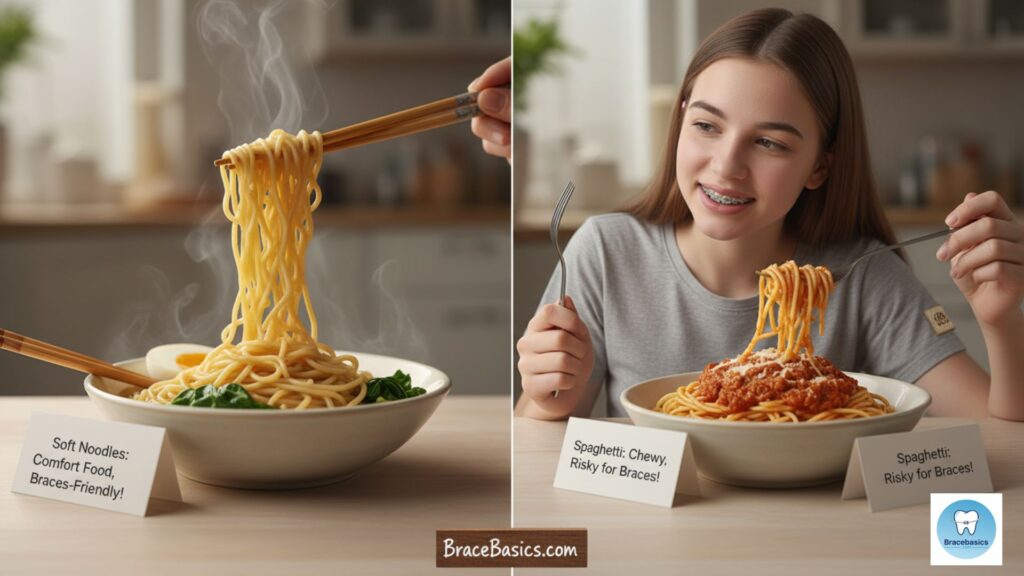
Both noodles and pasta can be safe options for those with braces when prepared carefully. Pasta usually softens more evenly during cooking and tends to break apart easily, reducing chewing pressure on braces and the risk of broken brackets.
Noodles, however, vary widely in thickness and texture. Thin rice noodles or well-cooked instant noodles are easier to chew, while thick or chewy noodles can increase braces pain after eating noodles. When cooked properly, both types qualify as braces safe comfort foods and are excellent orthodontic friendly meals.
What Orthodontists Say About Noodles and Braces
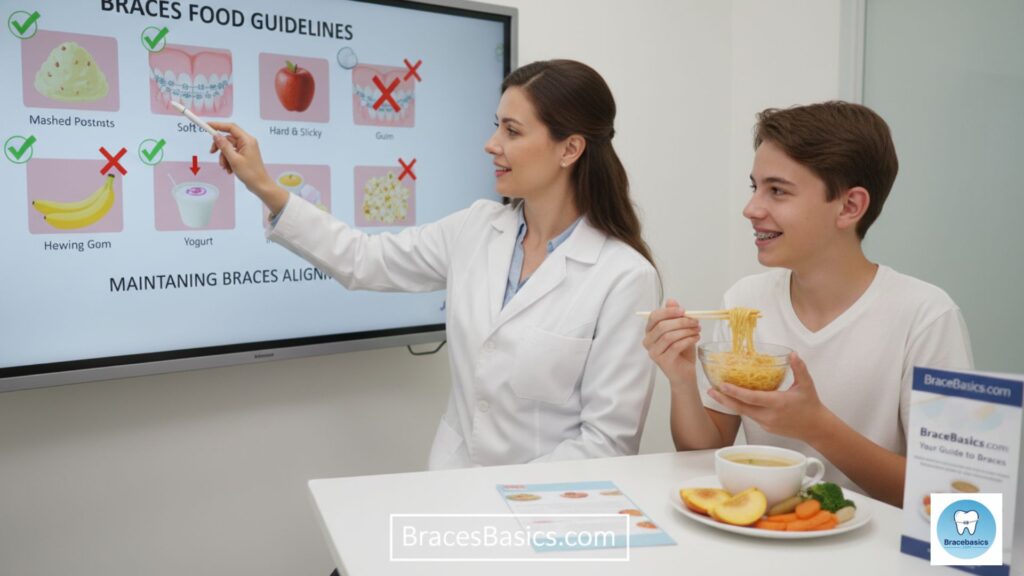
Orthodontists generally consider noodles safe for patients when eaten correctly. They highlight that soft foods for braces, portion control, and careful chewing reduce chewing pressure on braces and minimize the risk of broken brackets. Following orthodontist food guidelines helps avoid emergency visits caused by damaged brackets and wires.
Experts also emphasize proper cleaning habits after meals. Rinsing, brushing, and flossing with braces after eating prevent food stuck in braces, plaque buildup around braces, and gum irritation while wearing braces, supporting overall orthodontic treatment care and maintaining a healthy smile throughout treatment.
Final Verdict: Should You Eat Noodles With Braces?
Yes, you can eat noodles with braces as long as you follow smart eating habits. Choosing soft noodles for braces, chewing slowly, and keeping up with your post-meal brushing routine helps prevent brackets and wires damage and avoids braces pain after eating noodles.
When you take these precautions, eating noodles with braces safely is easy and enjoyable. Noodles can stay on your braces diet restrictions list and be part of orthodontic friendly meals without any worry.
FAQS
Can You Eat Instant Noodles With Braces?
Yes, you can eat instant noodles with braces when they are cooked until very soft. Soft noodles don’t create harsh chewing pressure on braces, which lowers the risk of broken brackets. Problems usually come from dry or undercooked noodles. Always chew slowly and follow a proper post-meal brushing routine to avoid food stuck in braces.
Can You Eat Ramen Noodles With Braces?
Yes, ramen noodles with braces are generally safe when they’re well cooked. Traditional ramen becomes soft and slippery, which makes it one of the most popular braces safe comfort foods. However, long strands can tug on brackets, so cutting food into small bites helps protect maintaining braces alignment and reduces soreness.
Can You Eat Buldak Noodles With Braces?
You can eat buldak noodles with braces but caution is needed. These noodles are often chewy and very spicy, which may cause gum irritation while wearing braces. Spicy oil can also increase plaque buildup around braces if cleaning is delayed. Let them soften well and rinse your mouth right after eating.
Can You Eat Spicy Noodles With Braces?
Yes, spicy noodles are allowed with braces, but sensitivity matters. Spices don’t harm metal, yet irritated gums may feel sore during orthodontic treatment care. If soreness starts or you notice braces pain after eating noodles, pause and switch to milder orthodontic friendly meals for a day or two.
Can You Eat Pot Noodles With Braces?
Yes, pot noodles are fine with braces when cooked thoroughly. The key issue is temperature and texture. Very hot noodles can affect wire tension and increase discomfort. Allow them to cool slightly to avoid stressing brackets and wires damage and always focus on dental hygiene after meals.
Can Noodles Bend Braces Wires?
Soft noodles rarely bend wires. Trouble starts with chewy, thick, or sticky noodles that pull during eating. Aggressive chewing or slurping noodles safely the wrong way can increase strain. Eating calmly and avoiding avoiding sticky and hard foods keeps wires straight and brackets secure.
How Soon After Braces Can You Eat Noodles?
You can usually eat noodles within 24 hours after getting braces. Mild tenderness is normal early on, so stick to cooked noodles for braces that feel soft and smooth. This approach reduces early discomfort and supports orthodontist food guidelines during the adjustment phase.
Related Posts
Check out these helpful guides to make your braces journey easier:
- Can You Eat Jolly Ranchers With Braces? – Tips on enjoying sweets safely with braces.
Can You Eat Nuts With Braces? – Learn which nuts are safe and which to avoid.
Can You Eat Bagels With Braces? – How to enjoy bagels without damaging brackets.
Can You Eat Crackers With Braces? – Smart strategies to eat crunchy snacks safely.
Can You Eat Bacon With Braces? – Braces-friendly tips for meat lovers. - Can You Eat Cereal With Braces? – How to enjoy breakfast without damaging brackets.
Can You Eat Pretzels With Braces? – Smart strategies to eat crunchy snacks safely.
When Were Braces Invented? – A look into the history of orthodontic treatment.
Soft Food Diet for Braces – Best foods to eat while keeping braces safe. - Can You Eat Goldfish With Braces?
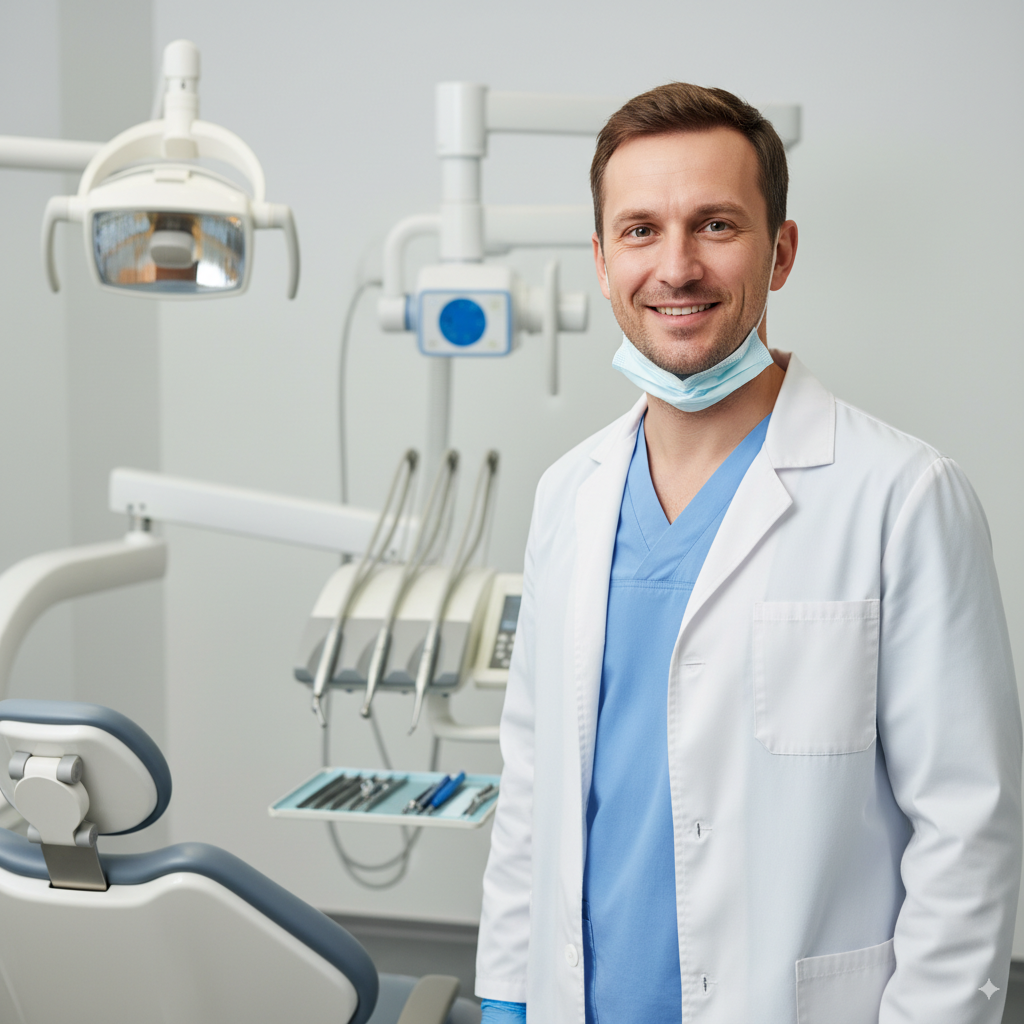
Hi, I’m Dr. Martin, the founder of BraceBasics.com. With years of experience in orthodontics, I’ve made it my mission to simplify braces care for patients of all ages. Here, you’ll find easy-to-understand advice, practical tips, and reliable resources to make your braces journey smoother, healthier, and stress-free. My goal is to help you smile with confidence every step of the way.