


Bright colors, sweet flavors, and a soft chew make jelly beans hard to resist. However, once braces enter the picture, candy choices suddenly matter more. Many people across the USA ask can you eat jelly beans with braces because the risk is not always obvious at first bite.
Although jelly beans look harmless, they create silent problems during orthodontic care. Understanding why avoid jelly beans with braces helps protect teeth, brackets, and long-term results. This guide explains the science, the risks, and safer candy choices in clear, simple language.
Can You Eat Jelly Beans With Braces?
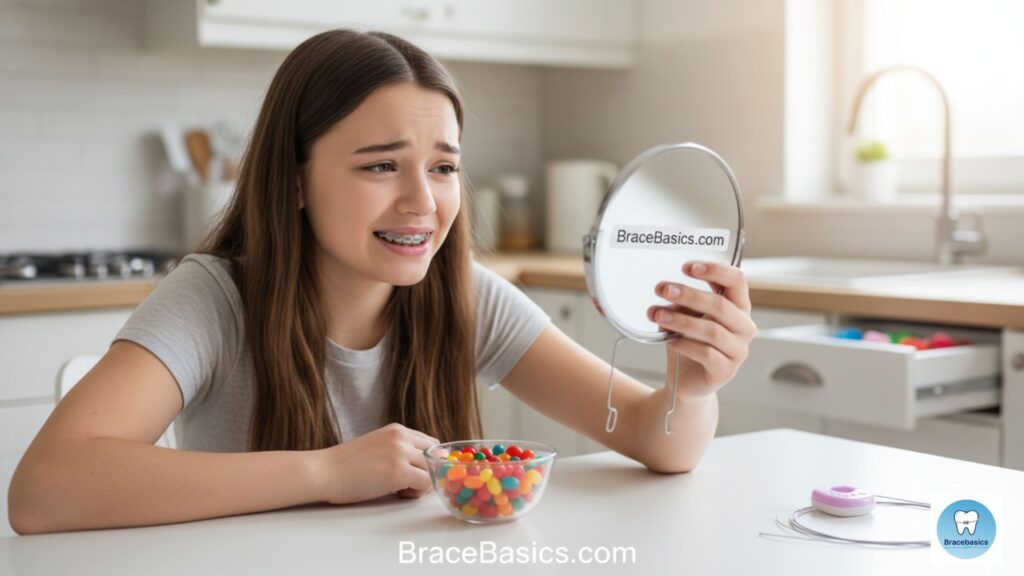
No, you shouldn’t eat jelly beans with braces. Jelly beans are sticky and chewy, which makes them risky during orthodontic treatment. They can cling to brackets and wires, pull brackets loose, bend wires, and trap sugar in hard-to-clean areas. That trapped sugar feeds bacteria, increases plaque, and raises the chance of cavities and white spots around braces.
Orthodontists in the USA consistently warn against jelly beans because the damage often isn’t immediate. Problems can show up days later as pain, loose hardware, or enamel damage. Choosing softer, melt-in-the-mouth treats instead helps protect braces and keeps treatment on track.
Why Jelly Beans Are Dangerous for Braces
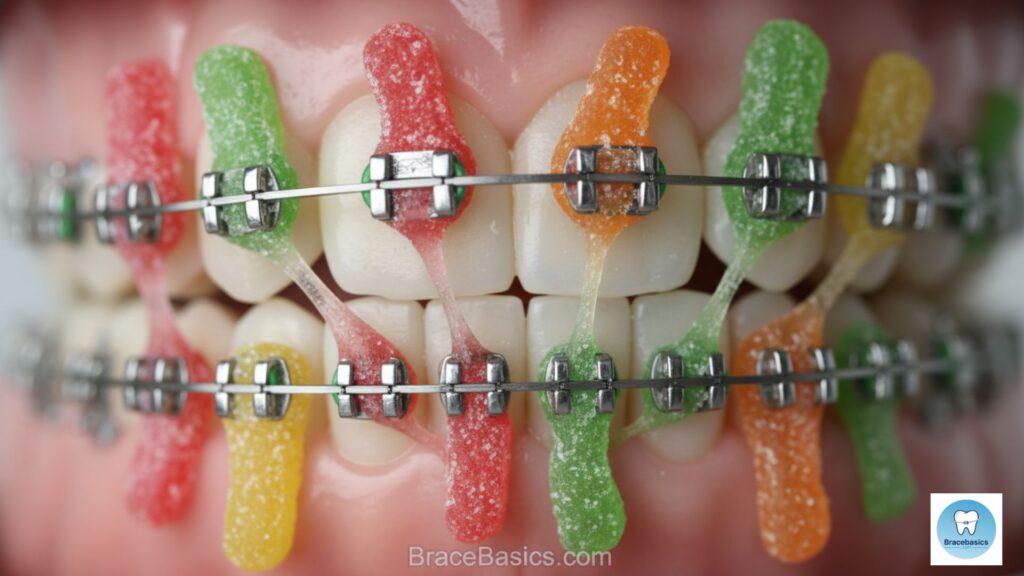
Jelly beans are dangerous for braces because their texture and sugar content work against orthodontic treatment. They are sticky enough to cling tightly to brackets and wires, then chewy enough to pull or twist them while chewing. This combination places direct stress on braces and increases the risk of loose brackets or bent wires.
On top of that, jelly beans are packed with sugar that stays trapped around braces. That trapped sugar feeds bacteria, leads to plaque buildup, and weakens enamel. Over time, this raises the risk of cavities, gum irritation, and long-term damage that can delay treatment and require costly repairs.
1. Jelly Beans Stick to Brackets and Wires
Once bitten, jelly beans cling like glue. This explains why sticky candy and braces never mix well. The candy wraps around brackets and coils around wires, staying hidden even after brushing.
Dentists often see this problem because sticky candies get stuck in braces and refuse to rinse away. Over time, trapped sugar feeds bacteria and leads to food stuck in braces causes plaque, especially near the gumline.
2. High Risk of Broken Brackets
Jelly beans require pressure to chew. That pressure transfers straight to braces. Many patients learn the hard way that jelly beans can pull off brackets with one careless bite.
Orthodontic clinics frequently repair broken brackets from sticky candy because dense candy forces brackets away from enamel. These breaks interrupt progress and increase discomfort during treatment.
3. Jelly Beans Get Trapped Easily
Small size creates big trouble. Jelly beans slide into tight spaces under wires and between teeth. This explains many chewing candy with braces problems reported after holidays.
Because flossing around braces already takes effort, trapped candy often remains too long. Over time, sugar buildup around braces accelerates decay and inflames gums.
4. Extreme Sugar Content Feeds Bacteria
Jelly beans contain concentrated sugars that dissolve slowly. Bacteria convert this sugar into acid within minutes. This process explains why jelly beans increase tooth decay during orthodontic care.
When braces are present, enamel stays exposed longer. Acid pools around brackets, leading to early white spots and irreversible damage called orthodontic treatment damage.
5. Increased Risk of Cavities With Braces
Braces already raise cavity risk due to cleaning challenges. Adding jelly beans multiplies that danger. This connection explains many risks of eating jelly beans with braces seen in dental exams.
Patients often ignore early signs like sensitivity or chalky enamel. Unfortunately, cavities progress faster when sugar exposure repeats daily.
6. Can Delay Your Braces Treatment
Broken hardware stops tooth movement instantly. Each repair adds weeks to treatment. This delay highlights long-term braces damage caused by poor food choices.
Orthodontists often explain that repeated repairs reset progress. That means wearing braces longer than planned, which frustrates both teens and adults.
7. Expensive Orthodontic Repairs
Food-related damage is rarely covered by insurance. Repairs add unexpected costs. Many clinics report frequent visits due to braces wires bending due to candy.
These repairs also bring soreness. Many patients complain of braces pain after eating candy, especially after sticky sweets strain the wires.
What Happens If You Accidentally Eat Jelly Beans With Braces?
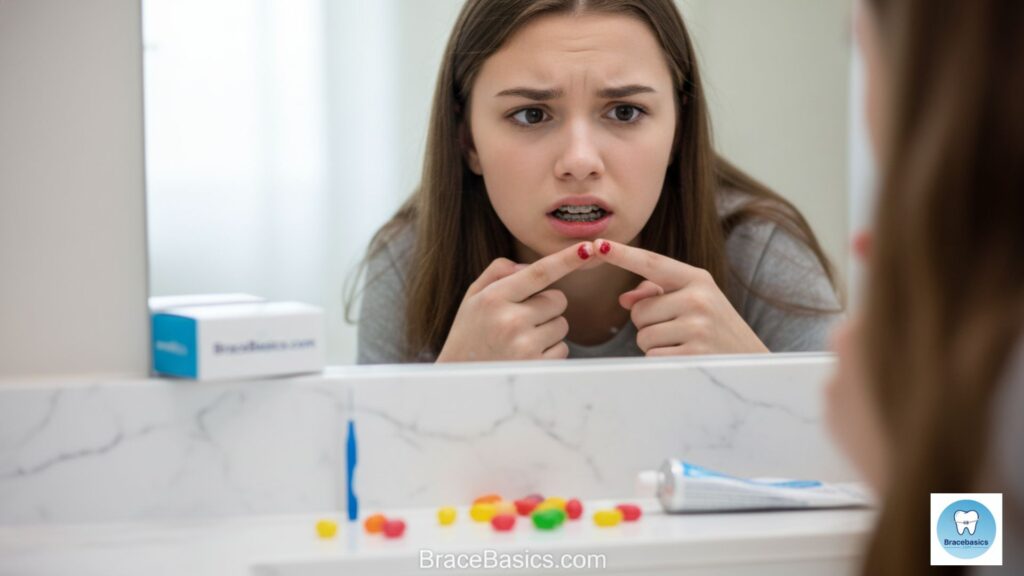
If you accidentally eat jelly beans with braces, the effects can unfold in stages rather than all at once. At first, everything may feel fine. Jelly beans often soften in the mouth, which tricks many people into thinking no harm was done. However, as you chew, the sticky center stretches and wraps around brackets and wires. This is where hidden trouble begins, especially for anyone with tight spacing or newly adjusted braces.
Within minutes, small candy fragments can lodge under wires, behind brackets, or near the gumline. These areas are already hard to clean. When sugar stays trapped there, bacteria start feeding almost immediately. This leads to acid production that attacks enamel, which explains why orthodontists see early white spots and sensitivity after sticky candy exposure. The process is slow and silent, which makes it easy to underestimate the damage.
Over the next several hours, mechanical problems may appear. The pulling motion created while chewing can loosen brackets or slightly bend wires. Even a minor shift can cause uneven pressure on teeth. This often results in soreness, dull pain, or a feeling that the bite is “off.” Many patients describe this as unusual tightness rather than sharp pain, which delays action.
In the following days, more visible signs can develop. A bracket may detach completely, a wire end may poke the cheek, or gums may appear red and swollen. These issues signal that the braces were stressed during chewing. If sugar residue remains, plaque buildup accelerates, raising the risk of cavities and gum inflammation. Left unaddressed, this can slow tooth movement and extend treatment time.
Quick action reduces long-term harm. Thorough cleaning right after exposure helps remove sugar before bacteria multiply. If discomfort, looseness, or sharp edges appear, contacting an orthodontist early prevents small issues from turning into costly repairs.
What to Do Immediately After Eating Jelly Beans
If jelly beans are eaten while wearing braces, quick action makes a big difference. Start by rinsing the mouth thoroughly with plain water. Swishing helps loosen sticky sugar and dislodge small pieces trapped around brackets and wires. This first step reduces how long sugar stays in contact with teeth.
Next, brush carefully using a soft toothbrush and fluoride toothpaste. Focus on the gumline, around brackets, and under wires where candy residue hides. Take extra time and use slow strokes. Rushing often leaves sugar behind, which continues feeding bacteria.
After brushing, clean between teeth and under wires using floss or a water flosser. These tools reach places a toothbrush cannot. Finally, check braces in the mirror. Look for loose brackets, bent wires, or redness around gums. If soreness, sharp edges, or looseness appears, contacting an orthodontist early prevents further damage and discomfort.
Are Sugar-Free Jelly Beans Safe With Braces?
Sugar-free jelly beans are not safe with braces, even though they sound like a better choice. The main problem is texture, not just sugar. Sugar-free jelly beans are still sticky and chewy, which means they can cling to brackets and wires and pull on them while chewing. That mechanical stress can loosen brackets or bend wires.
Many sugar-free versions also contain acidic flavorings and sugar substitutes that irritate the mouth. These acids can weaken enamel, especially around brackets where cleaning is harder. Sticky residue can stay trapped for hours, leading to plaque buildup and gum irritation. Orthodontists generally advise avoiding sugar-free jelly beans for the same reasons as regular ones.
Jelly Beans vs Other Candies (Braces Safety Comparison)
Understanding safer options helps maintain a healthy braces diet. The table below compares common candies based on texture and risk.
| Candy Type | Stickiness | Braces Risk |
| Jelly Beans | Very High | Severe |
| Caramel | Extremely High | Severe |
| Gummies | High | High |
| Chocolate | Low | Low |
| Hard Candy | High | Moderate |
This comparison shows why jelly beans rank among harmful candies for braces.
Braces-Friendly Candy Alternatives
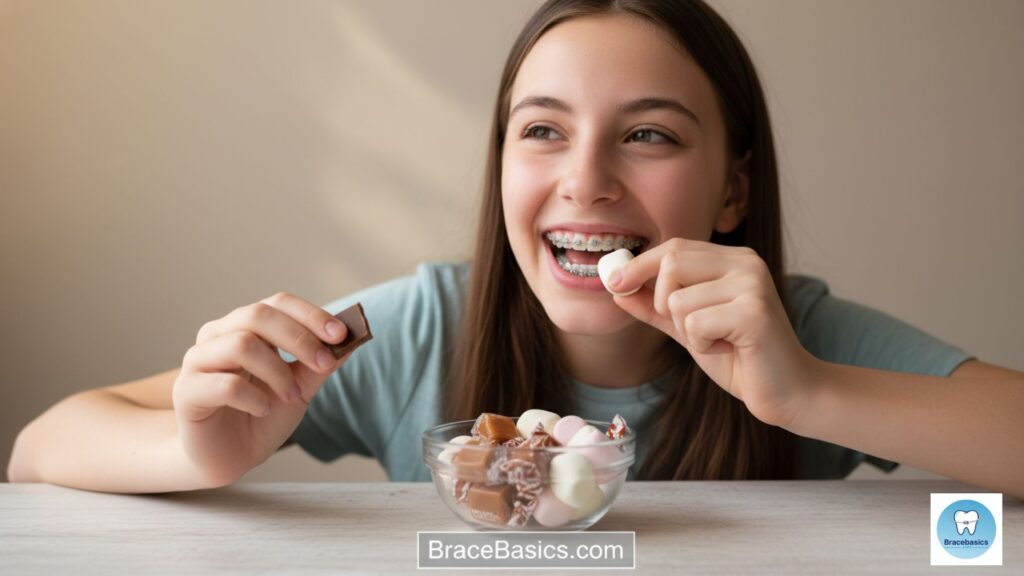
Braces-friendly candy alternatives focus on softness and quick melting rather than chewing power. When candy dissolves easily, it is far less likely to pull on brackets or bend wires. This is why many orthodontists suggest plain milk chocolate or dark chocolate without nuts or caramel. These options melt with saliva and rinse away faster, reducing stress on braces and lowering sugar contact time.
Another safer approach is choosing treats that feel smooth and gentle while eating them slowly. Soft chocolate truffles without fillings or thin chocolate bars broken into small pieces fit better within braces food rules. Enjoying candy right after a meal also helps because saliva flow is higher and brushing usually follows. Picking smarter sweets protects braces, keeps teeth healthier, and allows treatment to move forward without delays.
Orthodontist Recommendations on Candy and Braces
Orthodontists consistently recommend avoiding candies that are sticky, hard, or chewy during braces treatment. These textures place direct stress on brackets and wires, making breakage more likely. In many U.S. orthodontic clinics, jelly beans, caramels, gummies, and taffy are listed as top foods to avoid because they cling to braces and are difficult to clean away.
Most orthodontists encourage choosing softer treats that melt quickly and eating them in moderation. Candy is safest when eaten with meals rather than alone because saliva flow helps wash away sugar. Brushing and flossing soon after is strongly advised. Following these recommendations protects enamel, prevents emergency visits, and helps braces work efficiently without unnecessary setbacks.
How Often Can You Eat Candy With Braces?
Candy can still fit into life with braces, but frequency matters more than most people expect. Orthodontists generally recommend keeping candy as an occasional treat rather than a daily habit. The more often sugar touches teeth and braces, the higher the risk of plaque buildup, enamel damage, and sore gums. Repeated exposure creates problems even when brushing seems consistent.
Timing also plays a big role. Candy is safest when eaten right after a full meal because saliva flow is higher and brushing usually follows. Eating sweets alone between meals allows sugar to sit around brackets longer. Choosing softer candies and limiting intake to special occasions helps protect braces, keeps teeth healthier, and prevents treatment delays.
Final Verdict: Should You Eat Jelly Beans With Braces?
Jelly beans are not a good choice when wearing braces. Their sticky and chewy texture puts stress on brackets and wires, while the high sugar content fuels plaque and weakens enamel. Even small amounts can lead to loose brackets, sore gums, or damage that slows orthodontic progress.
Orthodontists consistently advise avoiding jelly beans throughout treatment. Choosing softer candies that melt quickly and maintaining good oral hygiene protects braces and helps treatment stay on schedule. Skipping jelly beans now helps ensure a healthier smile once the braces come off.
FAQs
Can you chew jelly beans with braces?
Chewing jelly beans with braces is strongly discouraged. Jelly beans have a sticky outer layer and a chewy center that grips brackets and wires while you bite down. This pulling motion can loosen brackets or twist wires without you noticing right away. Even careful chewing does not eliminate the risk because the candy stretches and clings as it breaks down in the mouth.
Are jelly beans worse than gummies for braces?
In many cases, jelly beans are worse than gummies for braces. Gummies are soft but usually uniform in texture, while jelly beans combine a firm shell with a sticky center. That shell requires extra biting force, and the sticky inside clings tightly to braces. This combination increases the chance of broken brackets and trapped sugar compared to many gummy candies.
Can one jelly bean break braces?
Yes, even one jelly bean can break braces under the right conditions. If a bracket is already under stress from a recent adjustment, biting into a jelly bean can be enough to loosen or pop it off. Damage does not always happen instantly. Sometimes the bracket weakens first and breaks later while eating normal food.
Do jelly beans cause cavities faster with braces?
Jelly beans can cause cavities faster when braces are present. Brackets create extra surfaces where sugar hides easily. Jelly beans dissolve slowly, which means sugar stays in contact with teeth longer. Bacteria use that sugar to produce acid, leading to enamel damage, white spots, and cavities that develop more quickly than on teeth without braces.
Can adults with braces eat jelly beans?
Adults with braces face the same risks as teens. Stronger chewing habits can actually increase damage because more pressure is applied while biting. Orthodontic hardware reacts the same way regardless of age. That means sticky candy can still loosen brackets, bend wires, and delay treatment for adults just as easily.
Can clear aligners wearers eat jelly beans?
Clear aligner wearers have more flexibility because aligners are removed while eating. However, jelly beans still pose risks. Sugar can coat teeth before aligners are put back in, trapping bacteria against enamel. Thorough brushing before reinserting aligners is essential. Without proper cleaning, cavities and bad breath can develop quickly.
What candy is the safest with braces?
The safest candy with braces is soft and melts quickly in the mouth. Plain milk chocolate or dark chocolate without nuts, caramel, or crunchy fillings is usually considered the best option. These candies place minimal stress on brackets and rinse away more easily, making them a smarter choice during orthodontic treatment.
Related Posts You Should Read
Explore more about braces and safe eating habits with these helpful guides:
Can You Eat Carrots With Braces? – Learn how to enjoy crunchy veggies without damaging your brackets.
Can You Eat Caramel With Braces? – Discover why sticky candies like caramel are harmful and what to do instead.
Can You Eat Popcorn With Braces? – Understand the risks of hard kernels and how to safely enjoy popcorn.
What Candy Can You Eat With Braces? – A complete guide to braces-friendly candy alternatives that satisfy your sweet tooth.
Can You Eat Starburst With Braces? – Learn how chewy candies affect brackets and safer substitutes for your cravings.
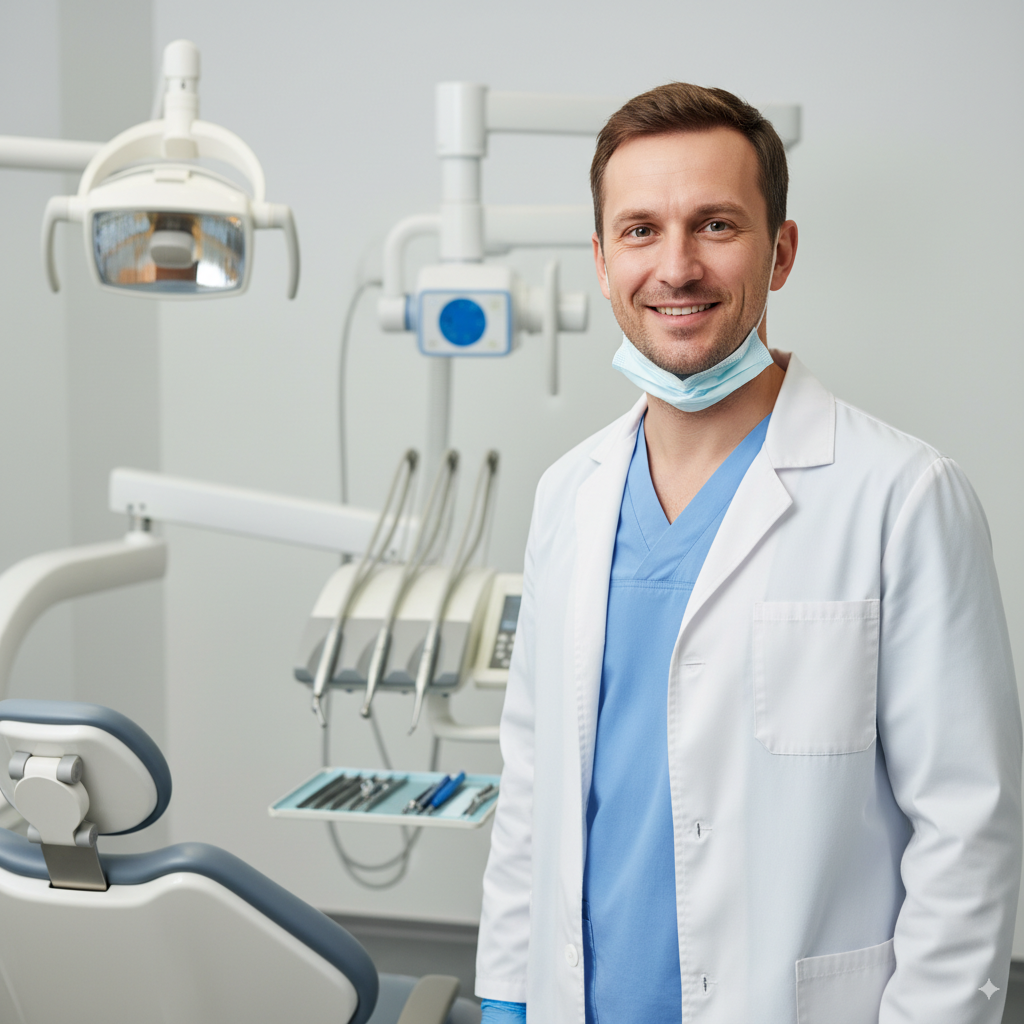
Hi, I’m Dr. Martin, the founder of BraceBasics.com. With years of experience in orthodontics, I’ve made it my mission to simplify braces care for patients of all ages. Here, you’ll find easy-to-understand advice, practical tips, and reliable resources to make your braces journey smoother, healthier, and stress-free. My goal is to help you smile with confidence every step of the way.