
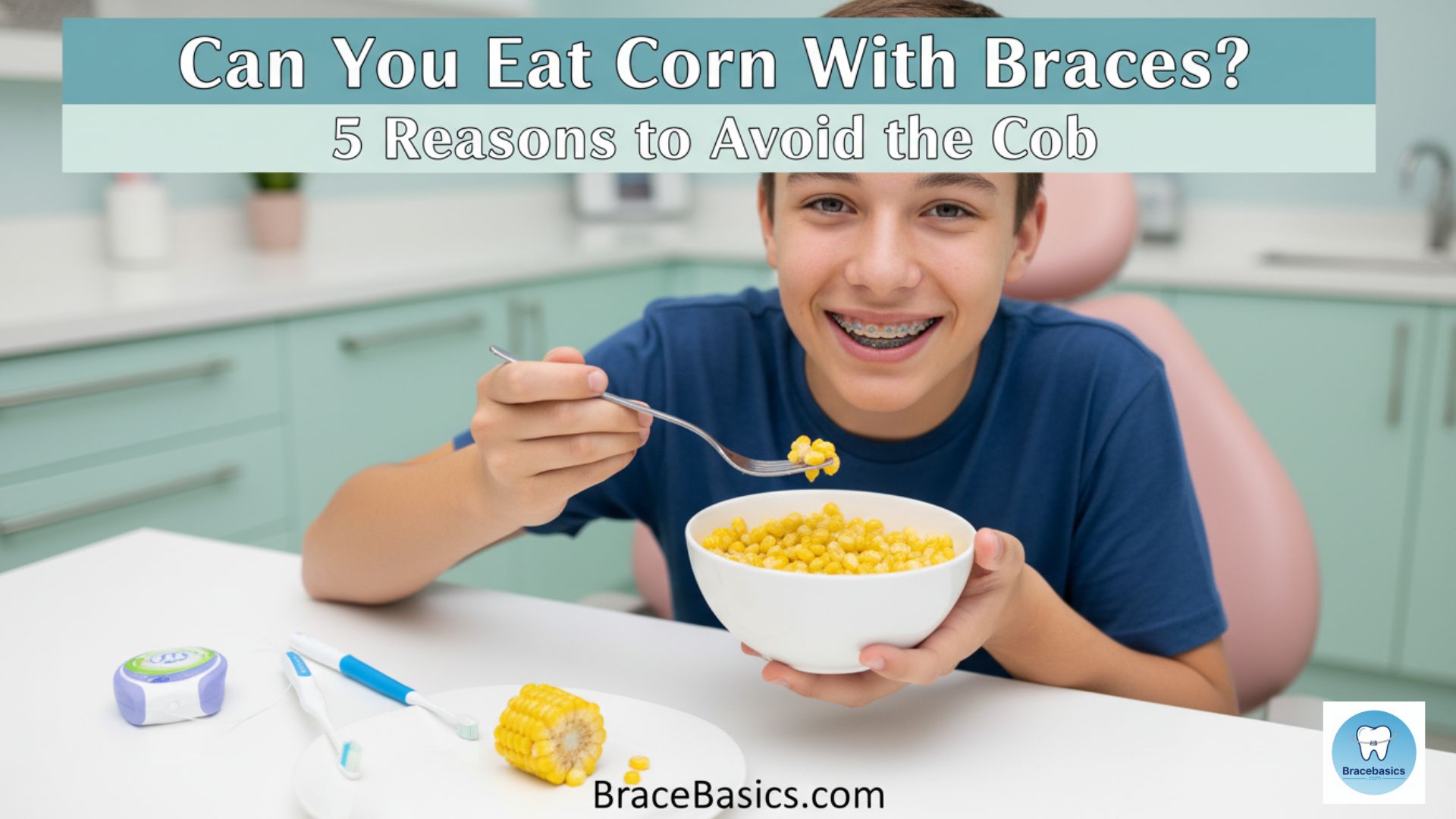
Eating corn might seem harmless, but for people with braces, it can be tricky. The combination of hard kernels and sticky residue can cause dental pain or discomfort. Many wonder, can you eat corn with braces safely? The answer depends on the type of corn and how it is eaten. Knowing the right methods helps maintain oral hygiene with braces while still enjoying your favorite foods.
Orthodontists often warn about chewing pressure and biting force on brackets and orthodontic wires. Corn kernels can easily get stuck and increase plaque buildup, leading to longer cleaning routines. Following braces diet rules ensures teeth move properly and enamel protection is maintained.
Why Corn Can Be Risky for Braces
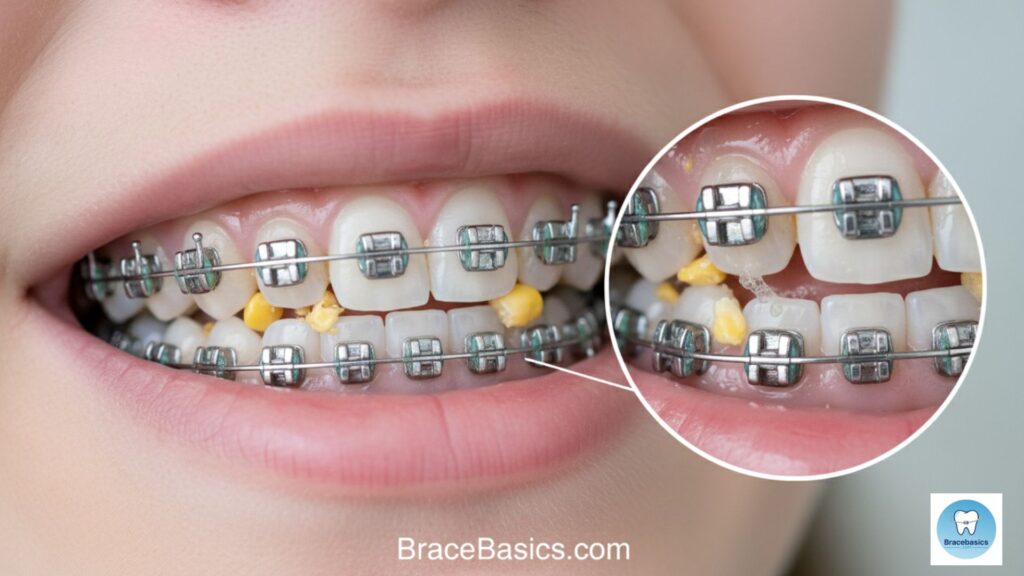
Corn has a unique texture. The outer part can be hard while the inner kernels are soft. This combination increases chewing pressure and risks bracket breakage or wire bending. Eating corn carelessly can trap food particles stuck between brackets and under wires, causing plaque buildup and potential tooth decay.
The biting force needed for corn can also aggravate post-adjustment soreness or dental pain or discomfort. Orthodontists consistently advise patients about safe chewing techniques and avoiding hard foods that damage braces. Even soft corn can turn risky if eaten without care, highlighting the importance of knowing how to eat corn with braces.
Why Corn on the Cob Is a Big No With Braces
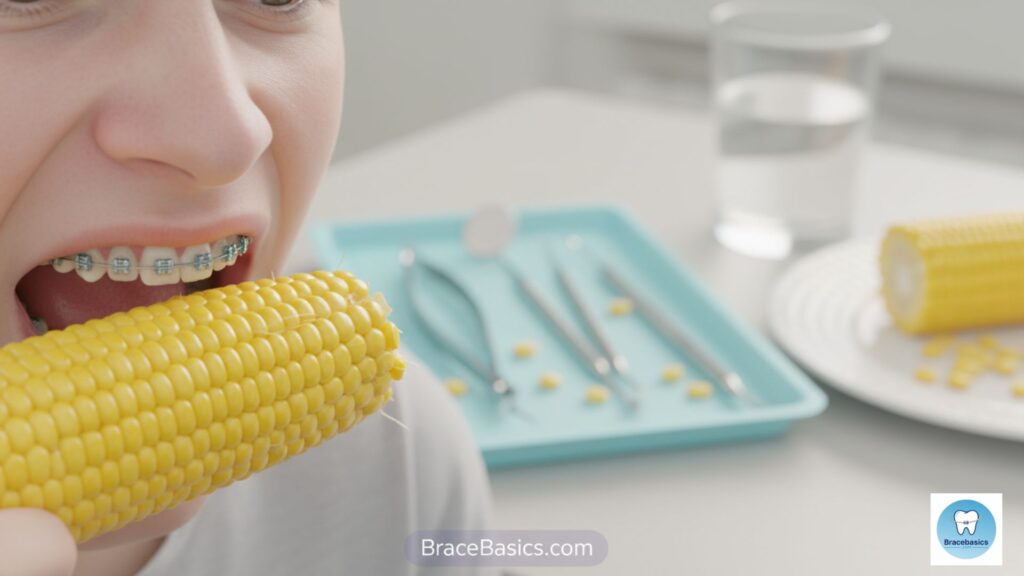
Biting directly into a corn on the cob puts intense chewing pressure on front teeth. This can easily cause metal brackets to pop off or wire bending. Many braces patients in the USA report dental pain or discomfort when attempting it. The cob itself requires a strong bite, which is risky during orthodontic treatment safety.
Corn kernels with braces can lodge under orthodontic wires, leading to food particles stuck that increase the chance of infection or decay. Even cautious bites can damage brackets or wires. The orthodontist advice on corn is clear: avoid biting into the cob directly to protect tooth movement and enamel protection.
What Happens If You Bite Corn on the Cob
Biting corn on the cob can result in several issues. Metal brackets may loosen or detach, causing bracket breakage. Wire bending may occur, requiring an emergency orthodontist visit. Food particles can get trapped, creating plaque buildup and making brushing braces carefully essential. Even mild pain from chewing pressure can delay your orthodontic treatment safety schedule.
In some cases, aggressive biting leads to post-adjustment soreness. Patients often need extra cleaning to remove corn stuck in braces, increasing the risk of dental pain or discomfort. Protecting teeth and braces should always be the priority when eating corn.
Can You Eat Corn Off the Cob With Braces?
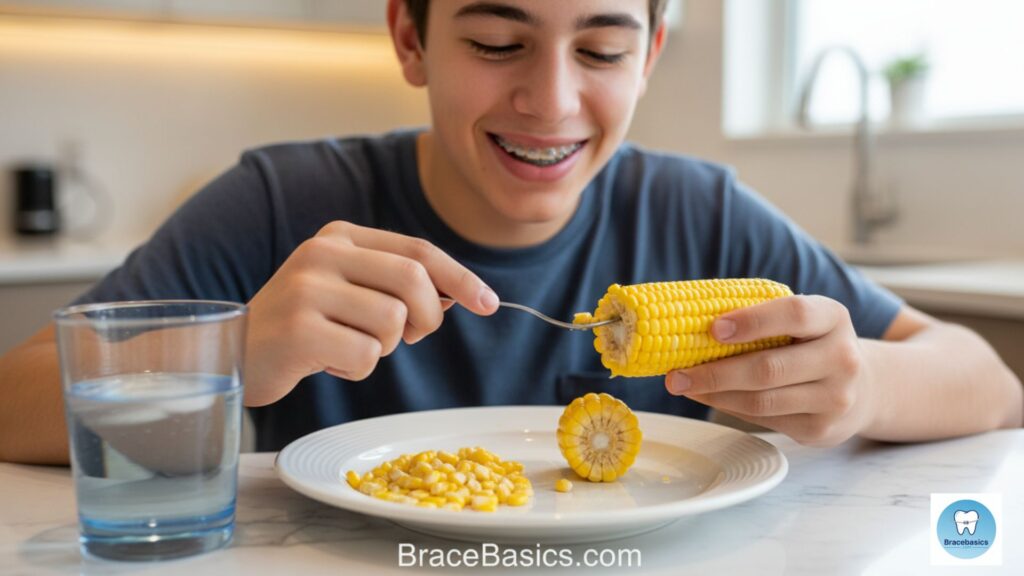
Eating corn off the cob is much safer for braces. Cutting kernels into small pieces reduces chewing pressure and prevents bracket breakage. Using a fork instead of biting directly ensures orthodontic treatment safety while still enjoying sweet corn and braces friendly foods.
Smaller bites allow for better control and reduce biting force on metal brackets. Proper oral hygiene with braces after eating is important. Rinsing, flossing, and brushing braces carefully prevents corn stuck in braces from causing plaque buildup or decay.
How to Eat Corn Safely Without Hurting Braces
To eat corn safely, remove kernels from the cob and place them on a plate. Chew slowly using safe chewing techniques and primarily with back teeth. Rinse thoroughly and follow flossing after eating corn routines to remove food particles stuck.
Avoid adding sugar or sticky sauces that increase plaque buildup. Maintaining dental braces care while eating corn off the cob ensures enamel protection and prevents metal brackets from loosening. Following these steps keeps orthodontic wires intact and reduces dental pain or discomfort.
Is Sweet Corn Safe for Braces?
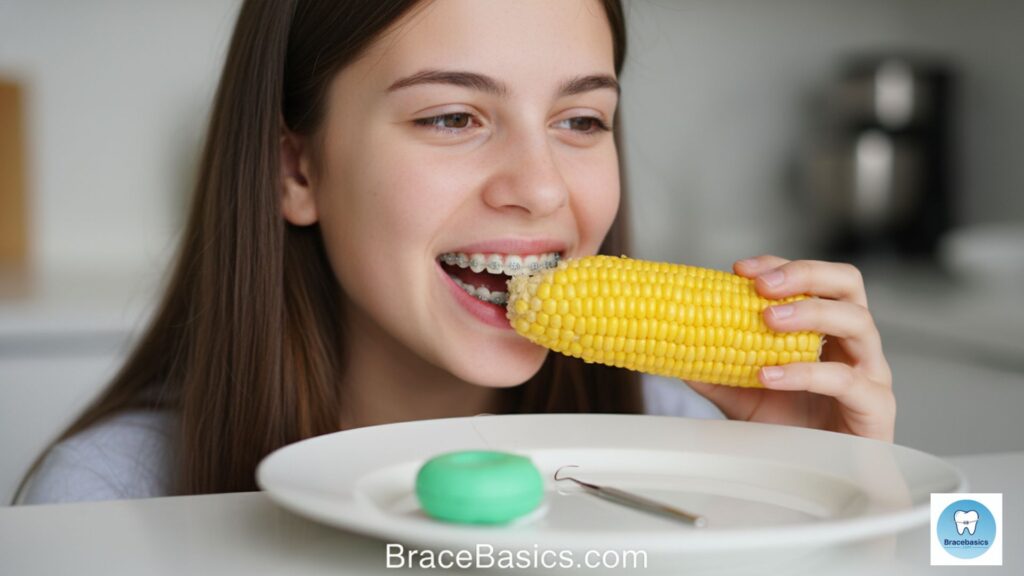
Boiled sweet corn is usually soft and easier to chew, making it a better choice than grilled or roasted corn. Soft kernels reduce chewing pressure and minimize the risk of bracket breakage or wire bending. Properly cooked corn fits into braces friendly corn options.
Hard or roasted corn increases biting force, leading to post-adjustment soreness and trapped corn kernels with braces. Always check orthodontist advice on corn and follow braces diet rules. Sweet corn eaten carefully supports oral hygiene with braces while letting patients enjoy a classic summer treat.
Different Corn Foods and Braces: What’s Safe vs What’s Not
Popcorn, Kettle Corn, and Caramel Corn
Popcorn and caramel corn are dangerous due to hard kernels. Hard foods that damage braces like these can cause metal brackets to pop off or wire bending. Even sweet options leave residue and food particles stuck, increasing plaque buildup and oral care challenges.
Kettle corn may look soft but often contains small, crunchy kernels. Chewing these increases chewing pressure and may result in dental pain or discomfort. Avoid popcorn entirely to protect tooth movement and maintain orthodontic treatment safety.
Puff Corn and Corn Chips
Puff corn is airy but still can crack metal brackets if bitten incorrectly. Corn chips, though tasty, exert biting force on orthodontic wires, creating post-adjustment soreness and bracket breakage risks. Eating these requires caution and following safe chewing techniques.
Texture differences are crucial. Puff corn rarely lodges in wires, but chips often leave corn stuck in braces, leading to plaque buildup. Choosing braces safe vegetables and softer alternatives is recommended.
Corn Nuts and Crunchy Corn Snacks
Corn nuts are extremely hard, causing immediate bracket breakage or wire bending. These snacks are among the highest risk foods for braces. Even careful chewing may not prevent dental pain or discomfort and trapped corn kernels with braces.
Regular consumption can disrupt tooth movement and delay orthodontic treatment safety. Corn nuts and crunchy snacks should be avoided completely until braces are removed.
Can You Eat Corn-Based Breakfast and Packaged Foods?
Cornflakes and Canned Corn
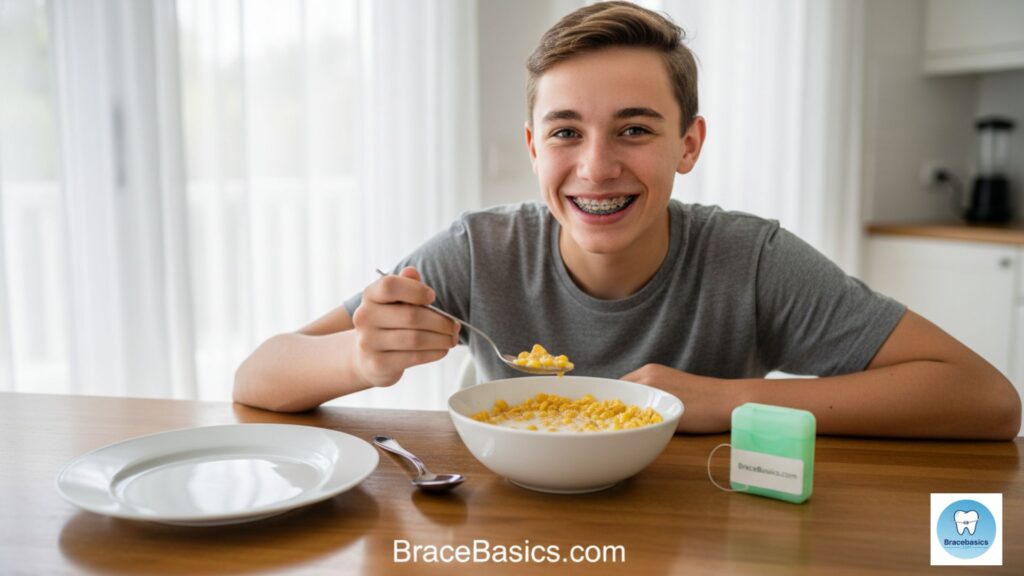
Cornflakes softened in milk are usually safe for braces. The softer texture reduces chewing pressure and lowers biting force risks on metal brackets. Canned corn is also soft and less likely to cause wire bending. Proper brushing braces carefully afterward ensures oral hygiene with braces.
Eating breakfast corn products follows braces diet rules. Soaking flakes or steaming canned corn can make them even safer. Following safe chewing techniques ensures enamel protection and avoids food particles stuck that could cause plaque buildup.
Corn in a Cup or Street-Style Corn
Corn in a cup or street-style corn varies in safety. Butter, cheese, or seasonings can make kernels sticky, increasing plaque buildup and trapped corn stuck in braces. Chewing slowly with safe chewing techniques reduces chewing pressure on orthodontic wires.
Street corn should be portioned and softened before eating. Following orthodontist advice on corn and proper cleaning after consumption protects metal brackets and tooth movement.
Can You Eat Corn Dogs With Braces?
Corn dogs can be tricky. Regular corn dogs are often softer and safer, while Korean corn dogs have thick batter and cheese fillings, increasing biting force on metal brackets and orthodontic wires.
Regular Corn Dogs vs Korean Corn Dogs
The thickness of Korean corn dog batter creates high chewing pressure, risking bracket breakage and wire bending. Soft regular corn dogs are a better choice but still require careful chewing. Always follow safe chewing techniques and clean teeth thoroughly to prevent corn stuck in braces.
What About Corned Beef and Candy Corn?
Corned beef contains no kernels, so it does not pose risks of bracket breakage or wire bending. Candy corn, though sugary, does not have hard textures but can increase plaque buildup if left on teeth.
Following braces diet rules is key. Rinse, brush, and floss after consuming sticky candy to protect enamel protection and maintain oral hygiene with braces.
5 Clear Reasons to Avoid Corn on the Cob With Braces
Eating corn on the cob may seem harmless, but for anyone with braces, it poses serious risks. The act of biting directly into the cob creates uneven chewing pressure that can strain both metal brackets and orthodontic wires. Kernels can easily get lodged, leading to corn stuck in braces and potential plaque buildup. Even gentle bites can cause post-adjustment soreness or accidental bracket breakage, making corn on the cob one of the riskiest foods to eat during orthodontic treatment.
Here are 5 clear reasons to avoid corn on the cob with braces:
- Bracket Breakage: The strong biting force required can pop off metal brackets, disrupting tooth movement and slowing down treatment.
- Wire Bending: Uneven pressure can twist or bend orthodontic wires, leading to discomfort and emergency adjustments.
- Trapped Kernels: Corn kernels with braces often get stuck under wires or between brackets, increasing plaque buildup and risk of cavities.
- Post-Adjustment Soreness: Biting hard corn can aggravate dental pain or discomfort and worsen post-adjustment soreness after visits.
- Expensive Repairs: Damaged metal brackets or orthodontic wires require orthodontist visits, adding costs and delaying orthodontic treatment safety.
Table: Risks of Corn on the Cob with Braces
| Risk | Description |
| Bracket Breakage | Biting force can pop off metal brackets |
| Wire Bending | Pressure may distort orthodontic wires |
| Stuck Food | Corn stuck in braces leads to plaque buildup |
| Pain | Dental pain or discomfort from stress on teeth |
| Cost | Emergency orthodontic visits can be expensive |
FAQs
Can you eat corn if you have braces?
Yes, you can eat corn with braces, but you need to be careful. Corn on the cob is risky because biting directly can damage metal brackets and orthodontic wires. Instead, enjoy corn off the cob, canned corn, or boiled sweet corn, and always follow safe chewing techniques to avoid corn stuck in braces. Rinse, brush, and floss afterward to maintain oral hygiene with braces.
Why no corn on the cob with braces?
Biting corn on the cob applies excessive chewing pressure on teeth. This can lead to bracket breakage, wire bending, and trapped corn kernels with braces, which cause plaque buildup. The uneven texture of the cob increases dental pain or discomfort and may delay orthodontic treatment safety. Soft or cut corn is the safer alternative to enjoy corn flavors without risking your braces.
What are braces-friendly snacks?
Braces-friendly snacks are soft, easy to chew, and don’t stick to metal brackets or orthodontic wires. Examples include:
- Yogurt or Greek yogurt
- Smoothies and milkshakes
- Soft cheeses
- Mashed potatoes
- Applesauce or peeled, sliced apples
- Soft bananas
- Boiled sweet corn
- Soft cooked vegetables like carrots or zucchini
- Oatmeal or porridge
- Soft bread or pancakes
These snacks reduce biting force and chewing pressure while maintaining oral hygiene with braces.
What fast food can I eat with braces?
Fast food can be enjoyed with braces if you choose softer options and avoid crunchy or sticky items. Examples include:
- Soft burgers without hard buns
- Grilled chicken sandwiches (without crunchy toppings)
- Mashed potato sides
- Mac and cheese
- Soft tacos or burritos
- Milkshakes or smoothies
- Soft pancakes or waffles
- Soft fish fillets
- Rice bowls
- Soft pasta dishes
Always cut food into small pieces and chew with back teeth to prevent bracket breakage and wire bending. Rinse and brush carefully afterward to remove food particles stuck in braces.
Final Verdict: Can You Eat Corn With Braces or Not?
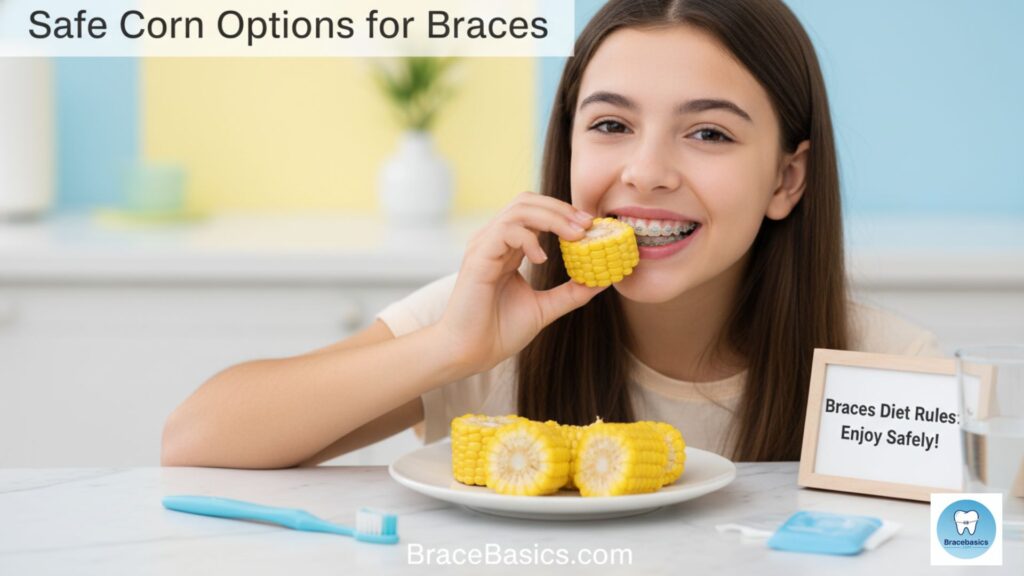
You can enjoy corn with braces, but only if eaten safely. Avoid corn on the cob and focus on braces friendly corn options like soft sweet corn, canned corn, or corn off the cob. Always follow safe chewing techniques, rinse thoroughly, and maintain oral hygiene with braces.
Following orthodontist advice on corn and observing braces diet rules keeps enamel protection, tooth movement, and orthodontic treatment safety intact. Enjoy corn carefully and protect your beautiful smile without compromising dental health.
Related Posts
Can You Eat Apples With Braces
Learn how to safely enjoy apples without damaging metal brackets or orthodontic wires.
Braces Friendly Foods
A complete guide to foods to avoid with braces and safe options for everyday meals.
Can You Eat Cookies With Braces
Tips on enjoying soft desserts without causing bracket breakage or wire bending.
Can You Eat Chicken With Braces
Understand the safest ways to eat protein-rich foods while protecting enamel protection.
How to Eat at Restaurants With Braces
Smart techniques for dining out without corn stuck in braces or other food-related issues.
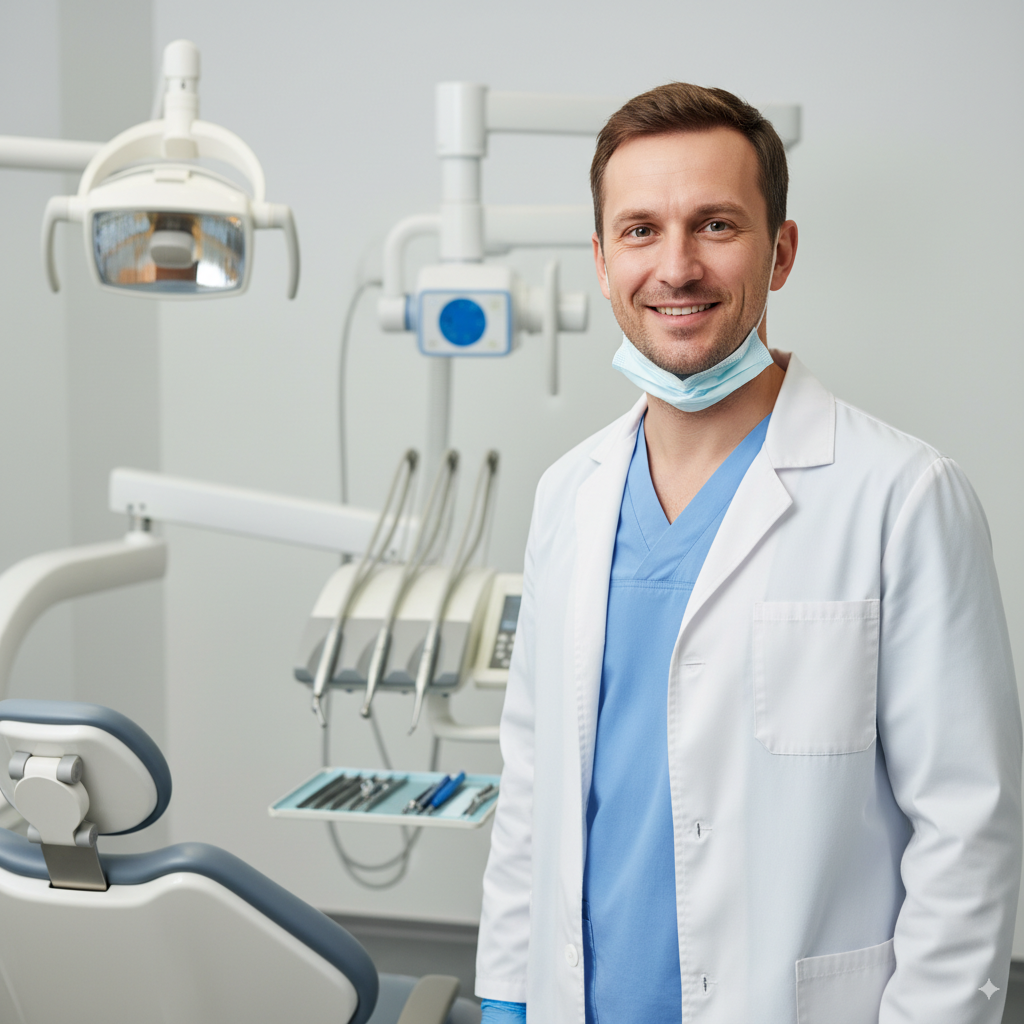
Hi, I’m Dr. Martin, the founder of BraceBasics.com. With years of experience in orthodontics, I’ve made it my mission to simplify braces care for patients of all ages. Here, you’ll find easy-to-understand advice, practical tips, and reliable resources to make your braces journey smoother, healthier, and stress-free. My goal is to help you smile with confidence every step of the way.