

Starting braces changes how you eat every single day. Many patients quickly ask, can you eat bread with braces safely without causing damage. Bread looks harmless, yet its texture can create hidden issues. Understanding bread with braces helps you avoid pain, broken brackets, and unnecessary dental visits.
From a dentist’s view, bread behaves differently than most foods. It can stick, compress, or harden depending on type. This raises concerns like is bread bad for braces and what happens if you eat bread with braces. Learning early prevents mistakes and supports a smooth braces maintenance diet.
Can You Eat Bread With Braces? (Quick Answer)
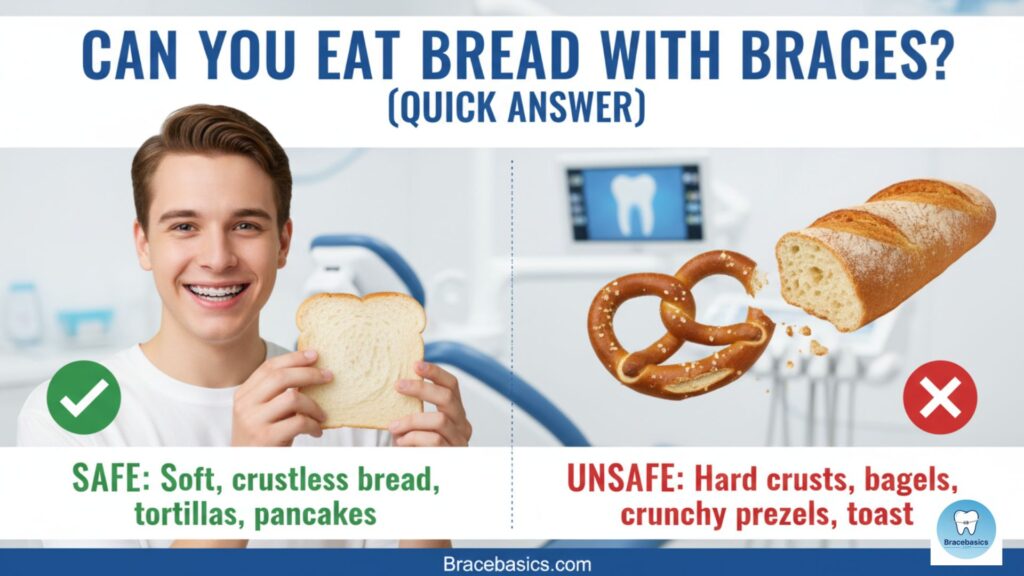
Yes, bread can be part of your meals during braces treatment, but the texture matters more than the type. Soft and fresh varieties are the safest choice because they place less pressure on brackets and wires. Choosing soft bread braces safe options helps reduce discomfort and lowers the risk of damage.
On the other hand, hard or crusty bread can create serious problems. It may lead to hard bread braces damage or even broken brackets if bitten carelessly. Following safe eating habits with braces and simple orthodontic diet tips allows you to enjoy bread without harming your progress.
Why Bread Can Be Tricky for People With Braces
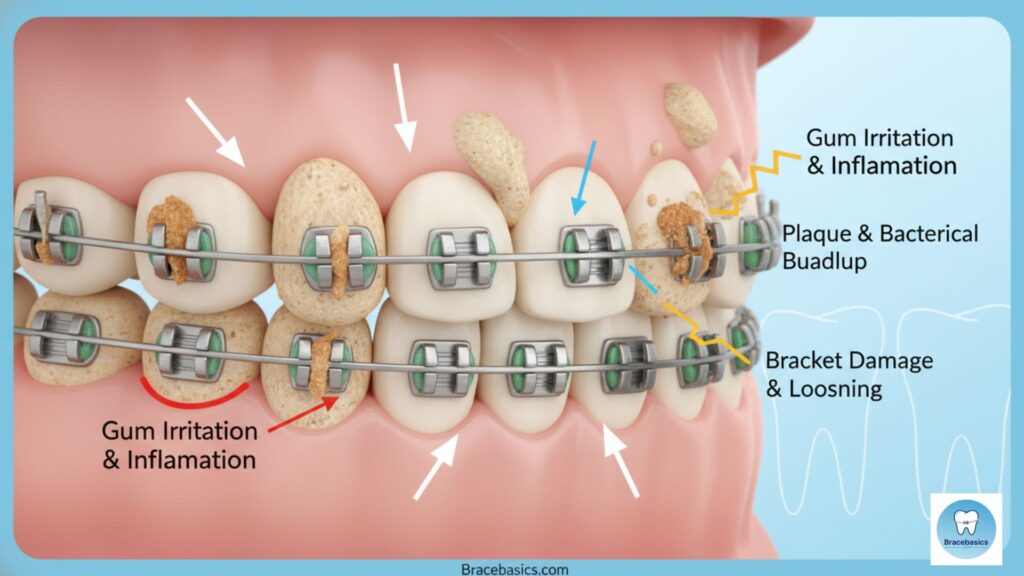
Bread becomes tricky due to its changing texture. Fresh bread feels soft, yet it quickly turns sticky inside your mouth. This creates a bread crust braces problem and increases sticky foods braces risk, especially around brackets and wires.
Another issue comes from pressure. Hard edges can cause hard bread braces damage, leading to broken parts. Patients often ask why bread can damage braces, and the answer lies in both hardness and stickiness. Proper orthodontic diet tips help reduce these risks significantly.
Types of Bread You Can Safely Eat With Braces
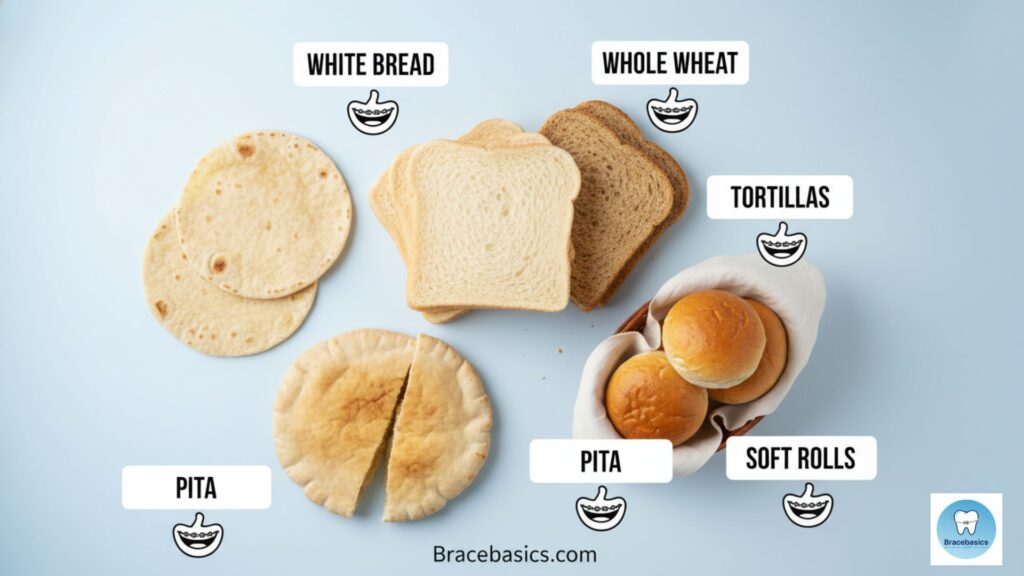
Soft varieties are your safest choice during treatment. Fresh sandwich bread, tortillas, and soft rolls support a soft diet for braces and reduce stress on brackets. These options are part of common braces friendly foods recommended by orthodontists.
Many patients compare white bread vs brown bread braces for safety. Both are fine if soft and fresh. The key is texture, not color. Understanding best types of bread for braces wearers helps maintain comfort while following a proper braces care food guide.
| Bread Type | Safety Level | Reason |
| Soft white bread | Safe | Easy to chew |
| Soft whole wheat | Safe | Less sticky if fresh |
| Tortillas | Very safe | Flexible texture |
| Pancakes | Safe | Soft and moist |
Types of Bread You Should Avoid With Braces
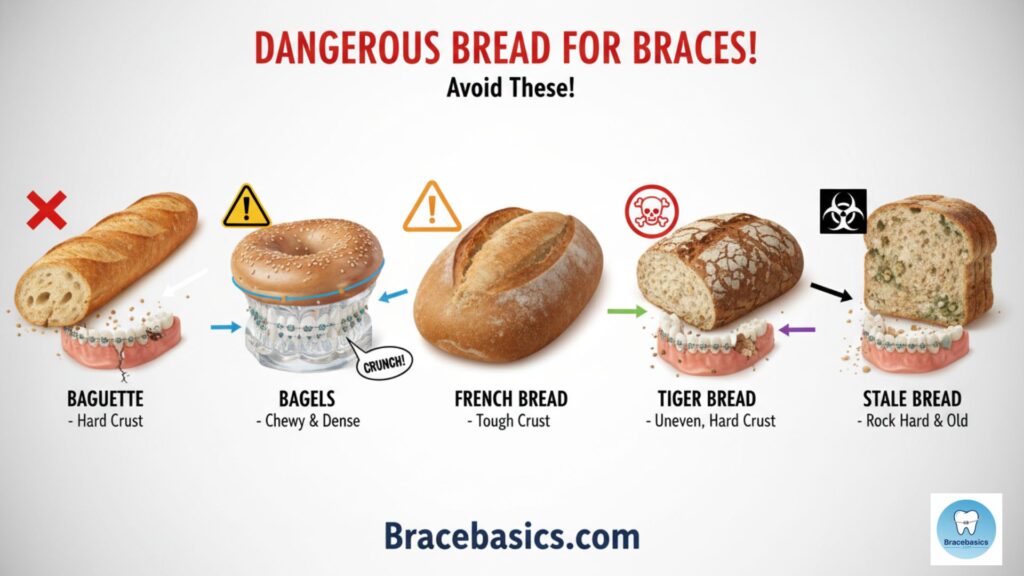
Some bread types can quietly damage your braces if you’re not careful. Hard varieties like baguettes, bagels, and heavily toasted slices require strong biting force. This pressure can lead to braces break from hard bread situations, especially when you bite with front teeth. These are common foods to avoid with braces because they increase the risk of bending wires or loosening brackets.
Dry or stale bread creates a different kind of problem. It breaks into rough crumbs that easily wedge between brackets, increasing the chance of bread get stuck in braces. This buildup can affect hygiene and comfort over time. Following proper dental braces food restrictions and avoiding damage braces food habits helps protect your treatment and keeps your smile on track.
5 Shocking Mistakes You Must Avoid When Eating Bread With Braces
:Mistake #1 – Eating Hard Crusts Without Thinking
Hard crusts may seem harmless, yet they can snap wires quickly. This is a classic case of mistakes to avoid when eating bread with braces. Choosing softer parts reduces chewing bread with braces pressure and protects your orthodontic work.
Mistake #2 – Taking Big Bites With Front Teeth
Large bites place force directly on brackets. This increases discomfort and damage risk. Learning how to eat bread with braces without pain starts with cutting food small and chewing carefully using back teeth.
Mistake #3 – Ignoring Food Stuck in Braces
Bread easily hides in brackets. Ignoring it leads to plaque buildup and odor. Patients often ask how to prevent food stuck in braces, and the answer is simple daily cleaning and awareness.
Mistake #4 – Eating Dry or Stale Bread
Dry bread breaks into rough pieces that scratch gums. It also sticks more easily. Avoiding this habit improves comfort and supports safe snacks with braces during treatment.
Mistake #5 – Not Cleaning Your Teeth After Eating
Skipping cleaning allows bacteria to grow fast. This increases cavity risk. Following how to clean bread from braces techniques keeps your mouth healthy and aligns with orthodontist food advice.
How to Eat Bread Safely With Braces (Step-by-Step Tips)
Eating bread safely with braces begins with mindful preparation and careful chewing. Soft, fresh bread can be enjoyable, but taking the right steps prevents hard bread braces damage and reduces the risk of bread get stuck in braces. Pairing bread with softer foods or spreads helps make chewing easier and more comfortable. Following a clear routine ensures you can enjoy bread while maintaining safe eating habits with braces and protecting your orthodontic work.
Step-by-Step Tips for Eating Bread With Braces:
- Cut bread into small, manageable pieces before eating to reduce pressure on brackets.
- Chew slowly and primarily with your back teeth to avoid stressing front braces.
- Pair bread with soft foods like soups, yogurt, or butter to soften texture and reduce friction.
- Avoid biting directly into thick crusts, trim edges if necessary to prevent bread crust braces problem.
- Rinse or brush after eating to remove crumbs and maintain braces care food guide hygiene.
- Focus on soft varieties and avoid stale or dry bread to prevent discomfort or damage.
These steps help make chewing bread with braces safe, comfortable and part of a balanced orthodontist recommended foods list.
What Happens If Bread Gets Stuck in Braces?
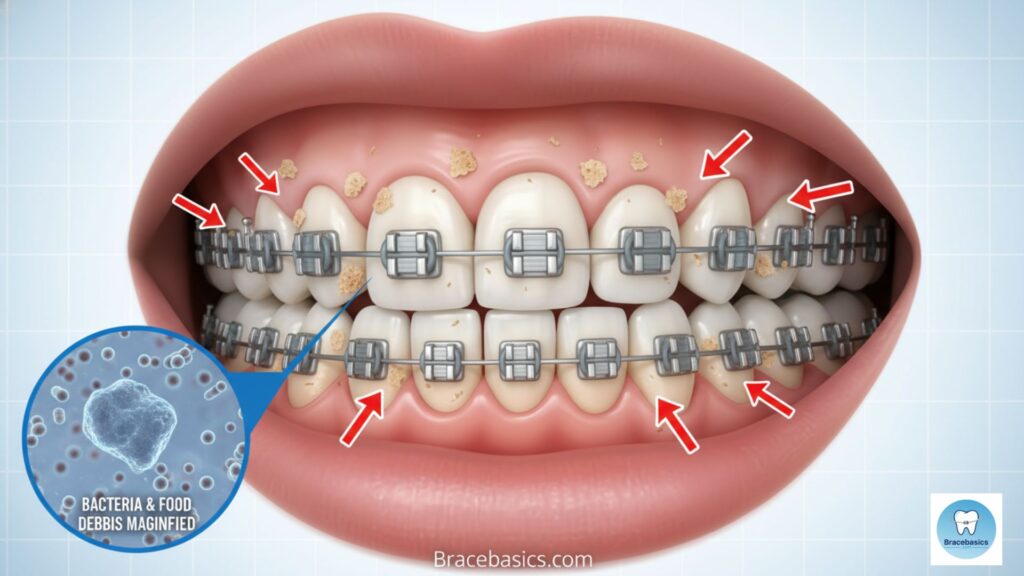
When bread gets trapped in braces, the problem goes beyond simple discomfort. Tiny crumbs can lodge between brackets and wires, creating a breeding ground for bacteria. This leads to plaque buildup, gum inflammation, and persistent bad breath. Patients often wonder what happens if you eat bread with braces, and the main issue lies in oral hygiene. Even soft bread can become sticky when chewed, making it easy for particles to cling to braces.
Ignoring trapped bread can cause long-term issues. Continuous buildup increases the risk of cavities and enamel damage, making it a serious concern for anyone following a braces maintenance diet. The solution is regular and careful cleaning. Use a soft-bristled toothbrush to reach around brackets, floss with a threader or water flosser to remove lodged crumbs, and rinse thoroughly after meals. Following these steps not only prevents bread get stuck in braces but also supports overall dental health and keeps orthodontic treatment on track.
Wanna Buy Somethings Good For Your Braces?
Best Oral Hygiene Tips After Eating Bread With Braces
Proper cleaning after eating bread is essential to protect both teeth and braces. Bread crumbs can easily get stuck between brackets and wires, increasing the risk of cavities, gum irritation, and sticky foods braces risk. Maintaining consistent oral hygiene helps prevent these problems while supporting a braces maintenance diet and ensuring your orthodontic treatment stays on track. Combining brushing, flossing, and rinsing creates a comprehensive routine that keeps your mouth healthy and fresh.
Oral Hygiene Steps After Eating Bread With Braces:
- Brush gently around each bracket and wire using a soft-bristled toothbrush to remove trapped bread particles.
- Use floss threaders or a water flosser to clean between teeth and under wires for thorough debris removal.
- Rinse with an antibacterial mouthwash to reduce bacteria, freshen breath, and protect gums.
- Consider brushing again after any sticky or sugary bread to prevent plaque buildup.
- Follow an orthodontist recommended foods list to minimize future debris and maintain safe eating habits with braces.
These steps ensure your braces remain intact and your teeth stay healthy while enjoying soft bread braces safe options.
Can You Eat Toast, Sandwiches, and Pizza With Braces?
Eating common foods like toast, sandwiches, and pizza requires caution during braces treatment. Soft sandwiches made with fresh bread are generally safe, making them a good choice for can you eat sandwiches with braces without risk. In contrast, thick crusts or overly toasted slices can create bread crust braces problem and may lead to can braces break from hard bread scenarios.
Pizza poses a similar challenge. The soft toppings are fine, but hard or crunchy crusts increase pressure on brackets. Even lightly toasted bread needs attention, which addresses concerns like can you eat toast while wearing braces. Pairing these foods with softer textures or cutting them into small pieces helps maintain safe eating habits with braces while reducing the risk of damage during meals. Following these orthodontist recommended foods list guidelines keeps eating enjoyable and safe throughout treatment.
Final Verdict: Should You Eat Bread With Braces?
Bread is not completely off-limits during braces treatment. The key is choosing the right type and eating carefully. Understanding can you eat bread with braces safely helps you avoid pain and damage.
By following expert advice, you can enjoy bread without risk. Stick to soft options and maintain hygiene. This approach supports a healthy smile while following a complete braces care food guide.
FAQs
What Bread Can You Eat With Braces?
You can safely enjoy soft, fresh breads that do not put stress on brackets or wires. White bread, soft whole wheat bread, tortillas, pita, and naan are excellent choices. These options support a soft diet for braces and make chewing bread with braces comfortable. Foods like soft garlic bread or lightly toasted sandwiches are also safe if eaten carefully. Soft bread reduces the risk of hard bread braces damage and avoids bread crust braces problem, making them part of a healthy braces friendly foods routine recommended by orthodontists.
What Bread Should You Avoid With Braces?
Hard, crusty, or chewy breads should be avoided during braces treatment. Baguettes, bagels, French bread, sourdough, tiger bread, and overly toasted slices can stress brackets and wires, increasing the risk of can braces break from hard bread. Crusty edges also trap crumbs, creating can bread get stuck in braces situations that lead to plaque buildup and discomfort. Stale or dry bread acts similarly, making it important to follow dental braces food restrictions and avoiding damage braces food habits for safe eating.
Can I Eat Bread on the First Day of Braces?
Eating bread on the first day of braces is possible, but it’s best to stick to soft bread braces safe options. Fresh sandwich bread, soft rolls, or tortillas work well because they reduce pressure on new brackets and wires. Avoid hard or crusty bread, as it may cause hard bread braces damage or increase discomfort during the first 24–48 hours. Following orthodontist food advice helps you enjoy bread without risking early complications.
Is Toasted Bread Safe With Braces?
Lightly toasted bread can be eaten carefully, but heavily toasted or crunchy slices pose risks. Toast can create a bread crust braces problem and put stress on brackets, which may lead to can braces break from hard bread scenarios. Softer toasts or small pieces paired with spreads like butter or hummus are safer and fall under safe snacks with braces for daily meals.
Can Bread Break Braces?
Yes, certain types of bread can break braces if eaten incorrectly. Hard crusts, bagels, or thick slices require excessive biting force, increasing the risk of wires bending or brackets loosening. Choosing soft bread braces safe options and chewing slowly with back teeth minimizes the risk and aligns with braces maintenance diet principles.
How Do I Clean Bread Out of Braces?
Cleaning bread from braces is essential to prevent plaque and irritation. Use a soft-bristled toothbrush around each bracket, and floss with a threader or water flosser to reach trapped crumbs. Rinsing with mouthwash adds protection. These steps prevent can bread get stuck in braces problems and maintain a healthy braces care food guide routine.
Are Sandwiches Safe With Braces?
Soft sandwiches made with fresh bread are generally safe to eat. Avoid thick, hard, or toasted edges, as they may create bread crust braces problem or cause hard bread braces damage. Pairing sandwiches with soft fillings like eggs, cheese, or hummus ensures chewing bread with braces remains comfortable and supports overall orthodontist recommended foods list habits.
Related Posts You Should Read
If you want to maintain a safe braces diet and avoid damage while enjoying your favorite foods, these articles will help you.
- Can You Eat Mango With Braces? – Learn how to enjoy sweet fruits safely during braces treatment.
Read More → - Best Mouthwash For Braces – Discover mouthwash tips to prevent plaque and keep your teeth healthy while wearing braces.
Read More → - Can You Eat Pizza With Braces? – A complete guide to enjoying pizza without damaging brackets or wires.
Read More → - Can You Eat Bagels With Braces? – Find out why bagels can be risky and what alternatives are safe.
Read More → - Soft Food Diet For Braces – Essential tips for maintaining a soft diet that keeps braces safe and comfortable.
Read More →
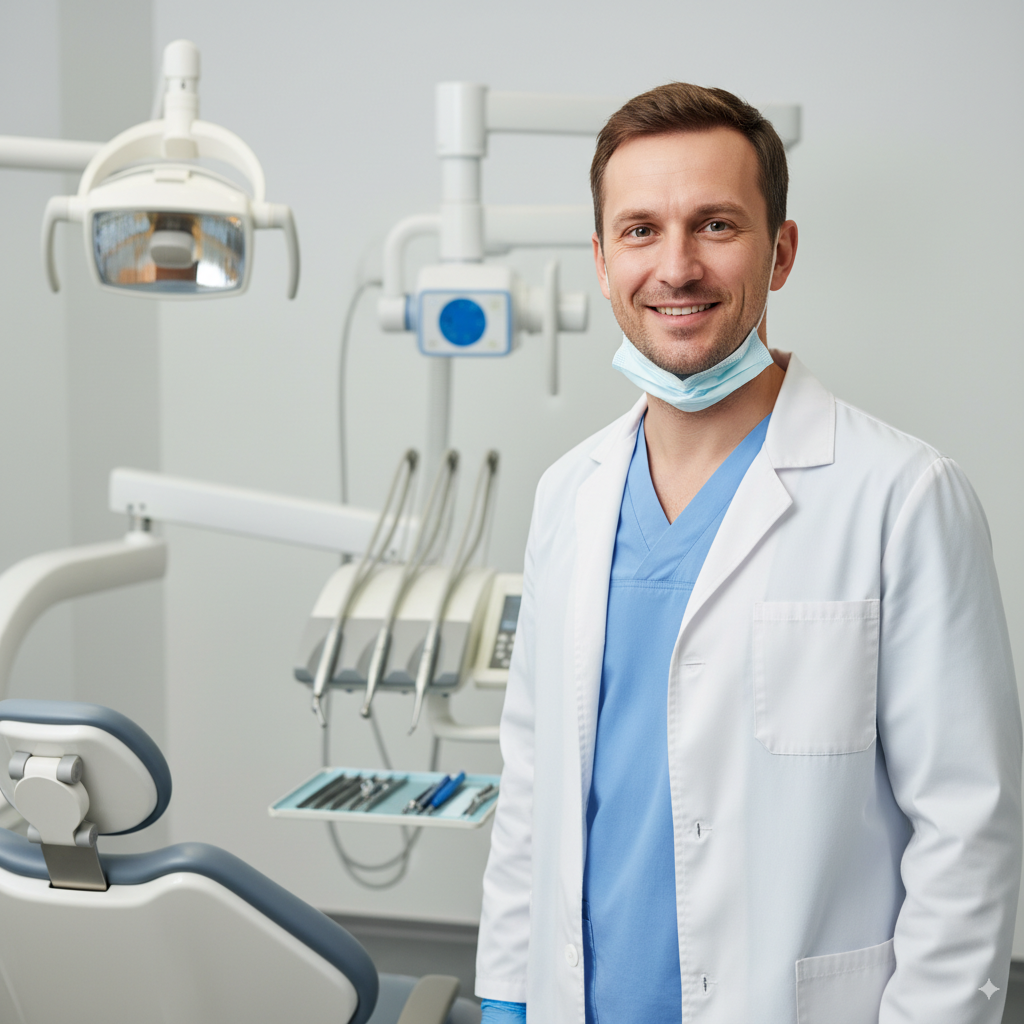
Hi, I’m Dr. Martin, the founder of BraceBasics.com. With years of experience in orthodontics, I’ve made it my mission to simplify braces care for patients of all ages. Here, you’ll find easy-to-understand advice, practical tips, and reliable resources to make your braces journey smoother, healthier, and stress-free. My goal is to help you smile with confidence every step of the way.