

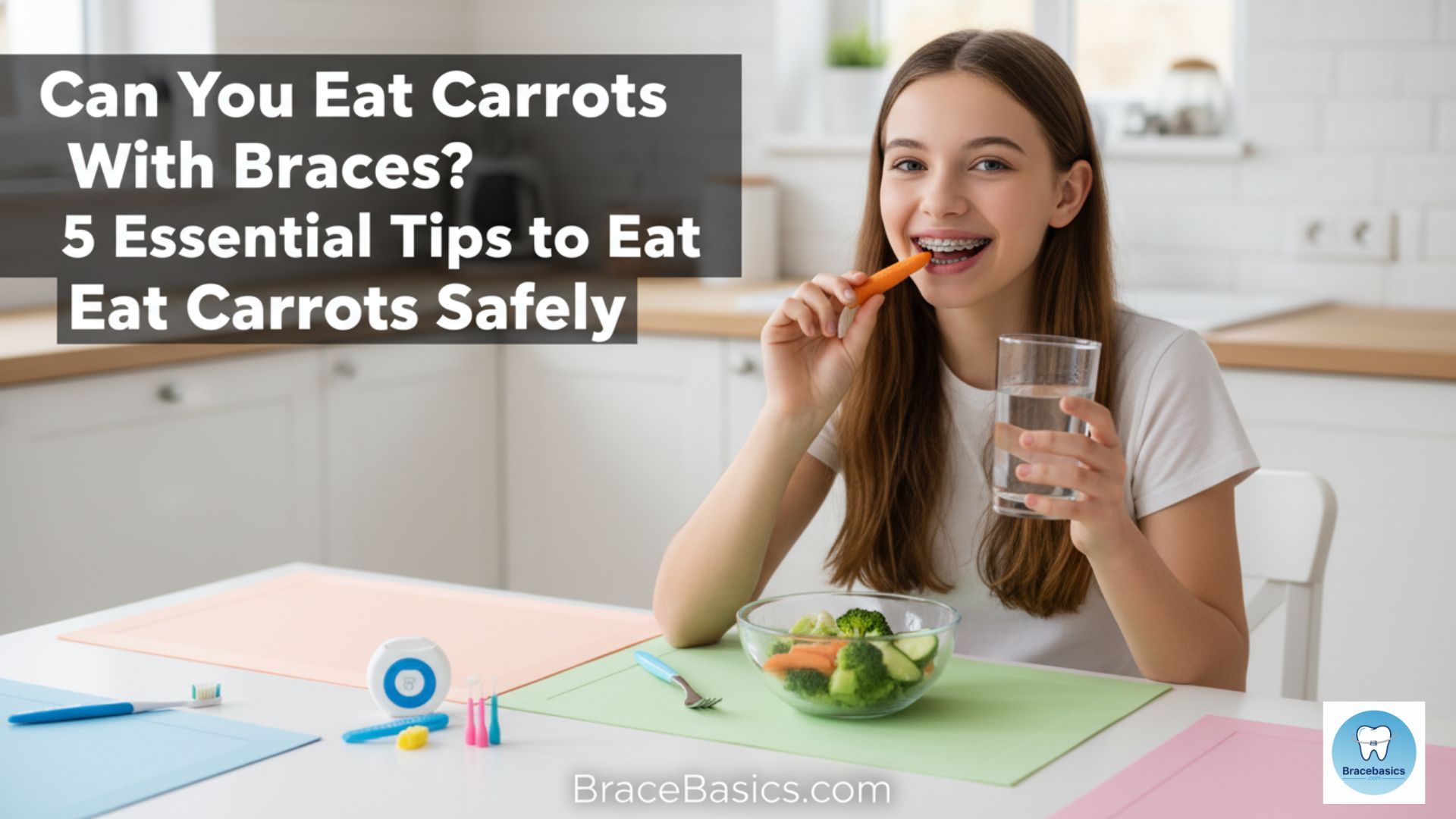
Carrots look innocent and healthy. Still, braces turn simple snacks into risky choices. Many people ask can you eat carrots with braces without damage or pain. The concern makes sense because carrots are firm, crunchy, and pressure-heavy.
Across the USA, orthodontic patients often struggle with crunchy vegetables with braces. Texture matters more than nutrition during treatment. Learning safe habits helps you enjoy carrots while maintaining braces comfort and safety every day.
Can You Eat Carrots With Braces?
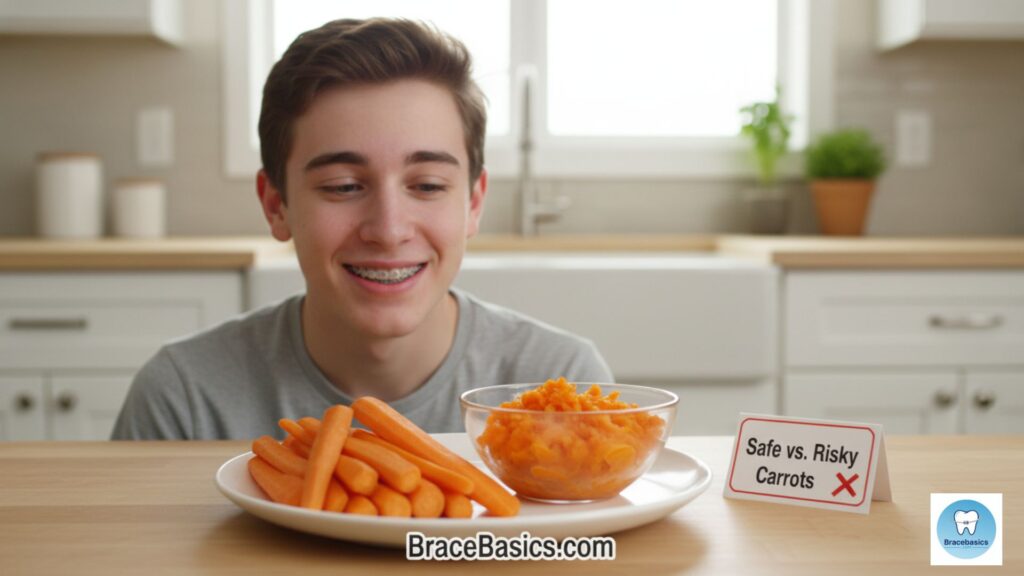
Yes, you can eat carrots with braces, but how you eat them matters a lot. Raw carrots are very hard and crunchy. Biting them directly can bend wires, pop brackets, or cause soreness. That’s why orthodontists don’t recommend chewing whole raw carrots when you have braces.
The safe way is to cut carrots into very small pieces or cook them until they’re soft. Steamed, boiled, or roasted carrots are braces-friendly and much safer for your teeth. You still get the nutrients without risking damage.
If you really want raw carrots, slice them thin or shred them. Chew slowly using your back teeth, and avoid biting with your front teeth. After eating, rinse your mouth and brush carefully so carrot bits don’t get stuck around brackets.
Why Raw Carrots Can Be Risky for Braces
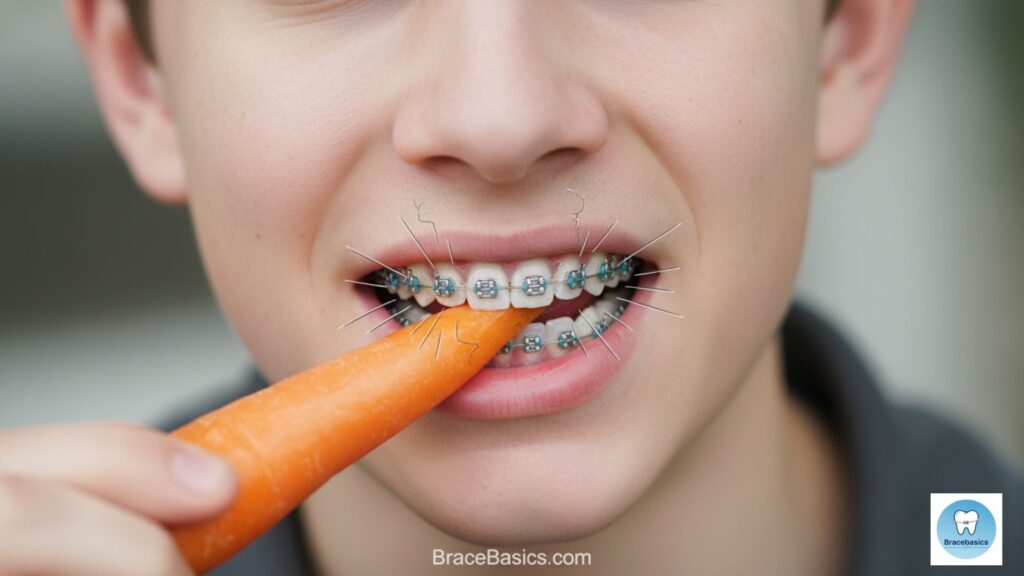
Raw carrots resist the bite. That resistance creates force. In braces, force transfers directly to metal and glue. This explains why hard and crunchy foods can break brackets and cause risk of bending orthodontic wires.
Biting straight into raw carrots increases chewing stress on braces brackets. Many patients experience tooth pain after eating hard vegetables. Worse, emergencies happen when people ignore these warnings and test their braces.
Are Cooked Carrots Safe With Braces?
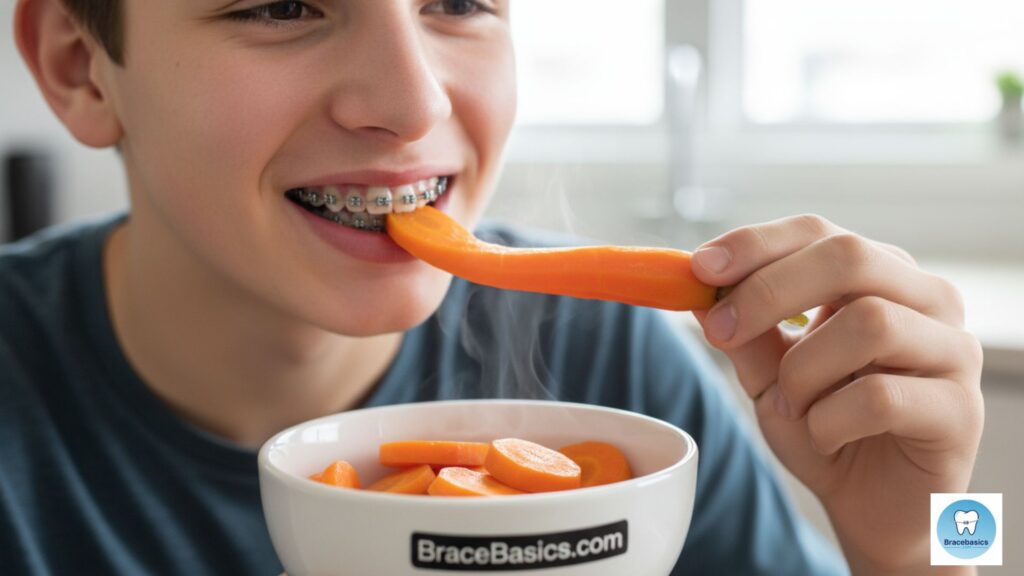
Yes, cooked carrots are safe for braces when they’re soft enough. Cooking changes fiber structure. Heat weakens resistance. That means less force on wires and brackets during chewing.
Most orthodontists recommend cooked carrots with braces because they reduce damage risk. Soft textures help with enamel protection during orthodontic treatment and lower chances of sudden bracket failure.
5 Essential Tips to Eat Carrots Safely With Braces
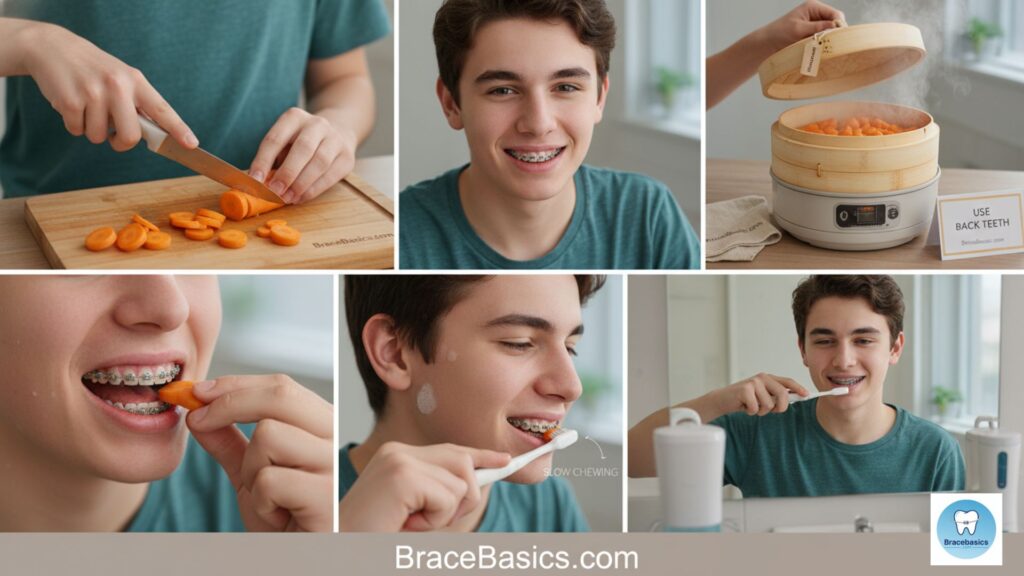
Eating carrots safely depends on control, patience, and preparation. These habits protect your investment and reduce discomfort. They also help with preventing braces damage while eating daily meals.
Following these tips limits avoiding emergency orthodontic visits. Each habit works together to support braces care while eating vegetables without stress or fear.
Tip 1: Cut Carrots Into Small Pieces
Cutting carrots into small pieces lowers pressure on braces. Smaller bites reduce resistance and prevent sudden force transfer. This method works especially well for salads and snacks.
Dentists emphasize this habit because large bites increase can carrots loosen braces brackets risk. Smaller pieces make chewing smoother and safer.
Tip 2: Cook Carrots Until They’re Soft
Steaming or boiling carrots for braces remains the safest choice. Soft carrots require less force and reduce strain on orthodontic hardware.
This method directly addresses carrots put pressure on braces wires concerns. Soft textures allow normal chewing while preserving nutrition.
Tip 3: Avoid Biting With Front Teeth
Front teeth handle the most stress. Using them increases what happens if you bite hard carrots with braces problems. Front brackets break easier than back ones.
Using molars spreads force evenly and supports best way to chew carrots with braces practices.
Tip 4: Eat Slowly and Carefully
Speed creates accidents. Fast chewing increases chewing stress on braces brackets and wire bending risks. Slow eating keeps movements controlled.
Careful chewing also helps detect discomfort early before damage happens.
Tip 5: Clean Your Braces After Eating Carrots
Carrot fibers cling easily. Food getting stuck in braces increases plaque and staining risk. Cleaning matters just as much as chewing safely.
Cleaning braces after eating carrots protects gums and enamel while supporting long-term orthodontic success.
Can You Eat Raw Carrots During the First Week of Braces?
The first week feels sensitive. Teeth shift. Gums ache. Should you avoid carrots with new braces becomes an important question. Raw carrots aren’t advised early on.
During this phase, pressure sensitivity rises. Eating raw carrots may worsen pain and delay adjustment. Soft foods help braces settle comfortably.
Recommended Carrot Preparation Methods for Braces
Preparation changes everything. Safe methods transform carrots from risky to braces-friendly. Dentists consistently promote softer textures to reduce damage.
Below is a simple comparison showing safety levels and chewing impact.
| Preparation Method | Texture Level | Braces Safety |
| Steamed carrots | Very soft | High |
| Boiled carrots | Extremely soft | Very high |
| Roasted carrots | Medium soft | Moderate |
| Thin raw slices | Slight crunch | Low to moderate |
Steamed Carrots
Steamed carrots retain nutrients while softening fibers. This method supports orthodontist-recommended food choices and minimizes chewing strain.
They’re ideal for daily meals and sensitive teeth.
Boiled Carrots
Boiling creates maximum softness. It’s perfect for carrots after getting braces or tightening appointments.
This method nearly eliminates pressure risks.
Roasted Carrots
Roasting works when carrots stay soft. Over-roasting creates crisp edges, increasing damage risk. Texture checks matter here.
Soft roasting fits a balanced orthodontic diet.
Shredded or Thinly Sliced Raw Carrots
Thin cuts reduce resistance. While still crunchy, they’re safer than sticks.
This method answers can you eat raw carrots with braces cautiously, not carelessly.
Best Alternatives to Raw Carrots for Braces
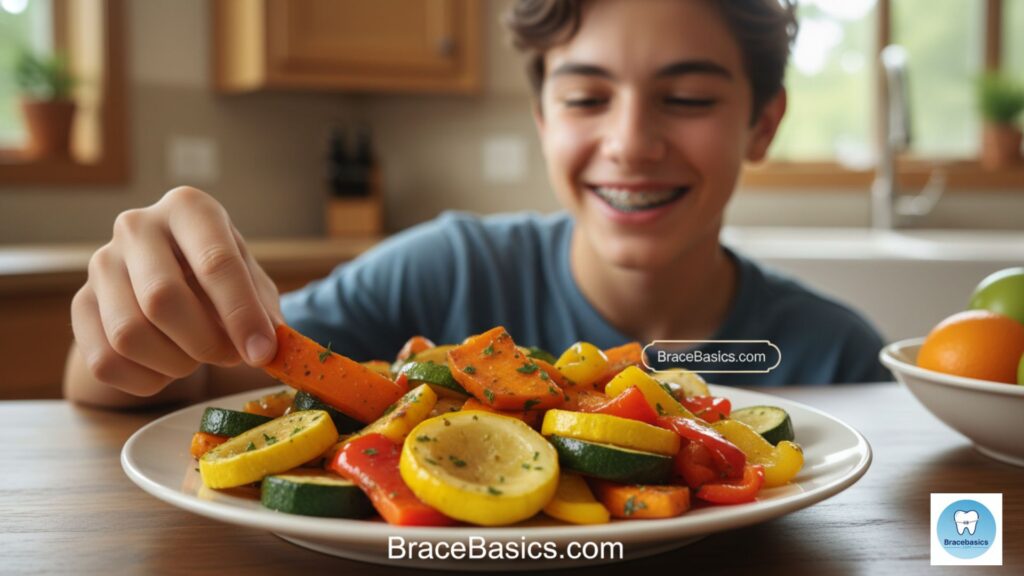
Sometimes alternatives work better. Many braces-friendly vegetables offer similar nutrients with less risk. Examples include cooked zucchini, sweet potatoes, squash, and soft bell peppers.
These options avoid foods to avoid with braces lists while keeping meals enjoyable.
What other raw veggies are OK with braces if prepared right?
Several raw vegetables can be enjoyed safely with braces if prepared correctly. The key is to reduce hardness and crunch, cut them into small pieces, or shred them so chewing doesn’t put too much pressure on brackets and wires. Here’s a list of common options:
Carrots alternatives: Thinly sliced bell peppers, cucumber slices, zucchini sticks, and shredded cabbage. These are all less dense than raw carrots and easier to chew.
Leafy vegetables: Spinach, lettuce, and kale can be eaten raw in salads because they’re soft and don’t require much force.
Other crunchy options: Celery sticks can be eaten if chopped into small pieces or cooked slightly. Snap peas or green beans are also safer if you cut them into bite-sized pieces.
Key tip: Always chew with your back teeth, take small bites, and rinse or brush after eating to prevent food getting stuck in braces. This ensures braces care while eating vegetables and prevents carrots and braces damage or enamel issues.
What Orthodontists Recommend About Eating Hard Vegetables
Orthodontists stress texture awareness. Hard foods and braces don’t mix well without modification. Preparation and chewing habits matter more than food type.
Following professional advice supports long-term comfort and fewer repairs.
Final Thoughts
Eating carrots with braces is absolutely possible, but it requires careful attention and smart habits. Carrots after getting braces can be enjoyed safely if you focus on preparation, chewing technique, and proper cleaning. Raw carrots carry a higher risk of damage, while cooked, shredded, or thinly sliced carrots greatly reduce the chance of carrots and braces damage.
Following safe ways to eat carrots with braces protects your brackets, prevents risk of bending orthodontic wires, and avoids chewing stress on braces brackets. Taking time to cut carrots into small pieces, steam or boil them, and chew slowly ensures that your braces stay intact while you still get essential nutrients. Maintaining braces care while eating vegetables not only prevents emergency visits but also supports overall oral health and comfort. By adopting these strategies, crunchy vegetables no longer have to be a source of worry, and enjoying a healthy snack like carrots becomes entirely braces-friendly.
FAQS
Can You Eat Raw Carrots With Braces?
Eating raw carrots with braces is possible, but it comes with risks. Raw carrots are very hard and require strong biting force, which can put pressure on braces wires and cause chewing stress on braces brackets. Biting into a whole raw carrot can lead to risk of bending orthodontic wires or even carrots and braces damage.
If you want to eat raw carrots, always cut them into small pieces or shred them thinly. Chew slowly using your back teeth instead of the front teeth. This approach reduces carrot sticks braces risk, minimizes discomfort, and ensures safe ways to eat carrots with braces. Always brush and floss after eating to avoid food getting stuck in braces.
Can You Eat Baby Carrots With Braces?
Baby carrots are convenient, but they are still firm enough to pose problems for braces. They can create chewing stress on braces brackets and increase the chance of hard and crunchy foods can break brackets. Eating them whole is risky, especially for patients with new braces or sensitive teeth.
The safest approach is to slice baby carrots into small pieces or steam them lightly before eating. This reduces pressure on braces wires, lowers the risk of bending orthodontic wires, and ensures the carrots are part of an orthodontic diet carrots plan without causing tooth pain after eating hard vegetables.
Can You Eat Carrot Sticks With Braces?
Carrot sticks are one of the riskiest forms of carrots for braces because they are long, hard, and require strong biting force. Biting directly into a stick can cause carrots put pressure on braces wires, braces damage, and sometimes even loosen braces brackets.
Instead, chop carrot sticks into small, bite-sized pieces or cook them until soft. This method ensures eating carrots with braces safely and reduces the chance of avoiding emergency orthodontic visits. Pairing careful chewing with proper cleaning braces after eating carrots keeps teeth and braces safe while still enjoying the
Can Shredded Carrots Damage Braces?
Shredded carrots are much safer than raw carrot sticks, but they can still pose a risk if not eaten carefully. Tiny pieces can get stuck between brackets, increasing the chance of food getting stuck in braces and causing plaque buildup. Chewing slowly and using back teeth minimizes chewing stress on braces brackets. Rinsing or brushing afterward protects enamel and reduces the likelihood of carrots and braces damage.
Can Kids With Braces Eat Carrots at School?
Yes, kids can enjoy carrots at school, but preparation is crucial. Raw carrot sticks should be avoided. Instead, offer shredded or thinly sliced carrots or small cooked pieces. Packing soft veggies in lunchboxes allows children to practice safe ways to eat carrots with braces while reducing risk of bending orthodontic wires or loosening brackets during play or eating.
How Often Can You Eat Carrots With Braces?
Carrots can be eaten daily, but moderation is key. Frequent consumption of raw or hard carrots increases the risk of carrot sticks braces risk and chewing stress on braces brackets. Following orthodontist-recommended food choices, rotating with other braces-friendly vegetables, and maintaining proper cleaning routines ensures you get nutrition without compromising braces safety.
Do Carrots Break Braces?
Carrots themselves don’t break braces if prepared correctly. However, biting hard raw carrots can exert excessive force, leading to hard and crunchy foods can break brackets or bend wires. Using cutting carrots into small pieces or softening them through cooking reduces pressure and prevents carrots put pressure on braces wires.
What’s the Best Way to Chew Carrots With Braces?
The safest method is to chew slowly using back teeth and avoid biting directly with front teeth. Small pieces or cooked carrots reduce chewing stress on braces brackets. After eating, brushing or rinsing ensures cleaning braces after eating carrots, protects enamel, and keeps brackets intact, supporting maintaining braces comfort and safety.
Related Posts
Check out these helpful guides to make eating with braces easier and safer:
Can You Eat Tacos With Braces? – Tips to enjoy tacos without damaging your brackets or wires.
Can You Eat Strawberries With Braces? – Learn the safest ways to eat juicy fruits while protecting braces.
Can You Eat Starburst With Braces? – Understand candy risks and how to satisfy sweet cravings safely.
Can You Eat Goldfish With Braces? – Discover how crunchy snacks can be braces-friendly with smart habits.
Can You Eat Noodles With Braces? – A guide to enjoying soft, braces-safe meals without stress.
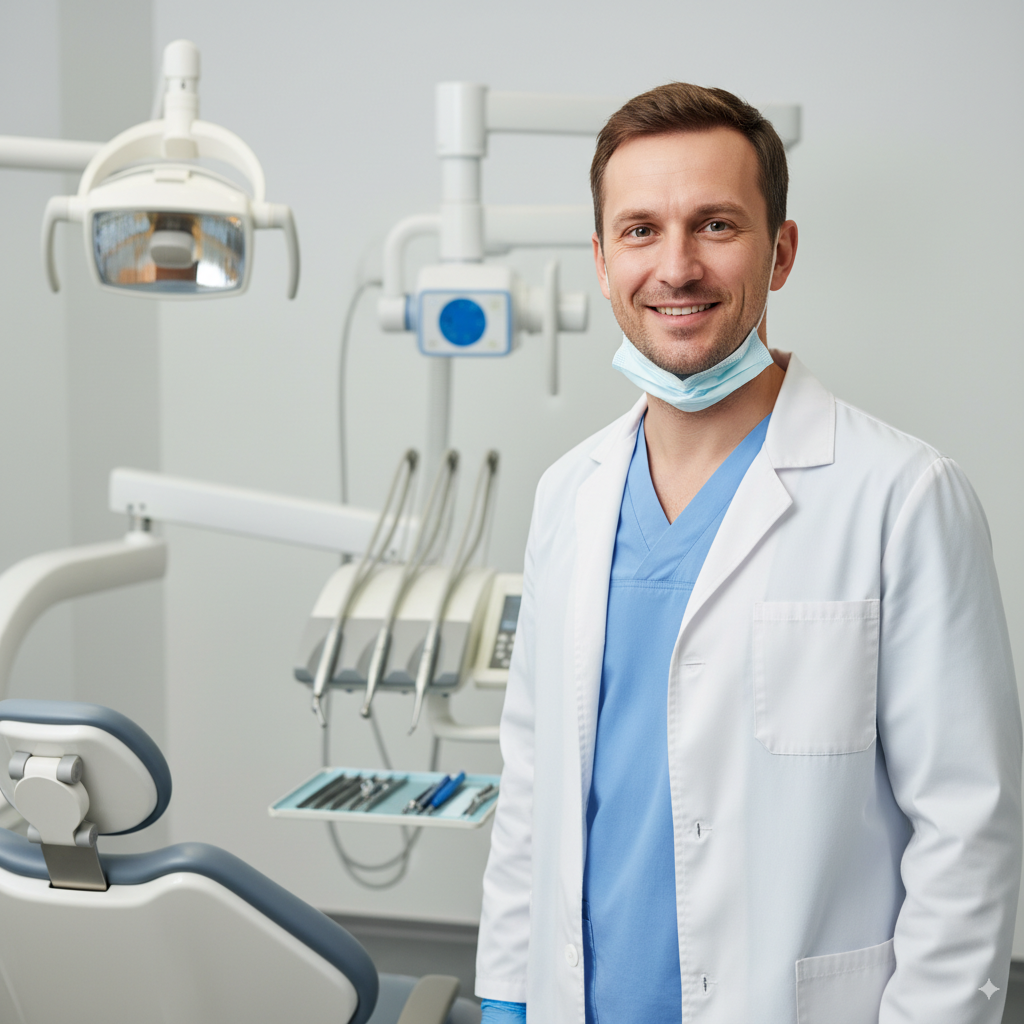
Hi, I’m Dr. Martin, the founder of BraceBasics.com. With years of experience in orthodontics, I’ve made it my mission to simplify braces care for patients of all ages. Here, you’ll find easy-to-understand advice, practical tips, and reliable resources to make your braces journey smoother, healthier, and stress-free. My goal is to help you smile with confidence every step of the way.