


Snacking feels risky when braces enter daily life. Many people ask can you eat crackers with braces because crackers seem harmless yet unpredictable. This guide matters because the wrong bite creates dental discomfort from food, triggers repairs, and disrupts routines. Smart knowledge supports safe snacking with braces and calmer days.
Crackers sit between soft and crunchy. That middle ground confuses choices during eating with metal braces. Understanding textures, pressure, and preparation prevents avoiding damage to braces and supports confident eating without fear.
Understanding Braces and Their Impact on Eating
Brackets and wires react to force. Hard pressure transfers directly into metal which raises pressure on braces brackets and risks bent wires and loose brackets. Crumbs also hide easily causing small food pieces stuck in wires and irritation.
Daily habits shape outcomes. Repeated stress can prolong orthodontic treatment and increase visits. Following braces eating precautions protects comfort, enamel, and time while improving oral hygiene with braces.
What Is a Cracker?
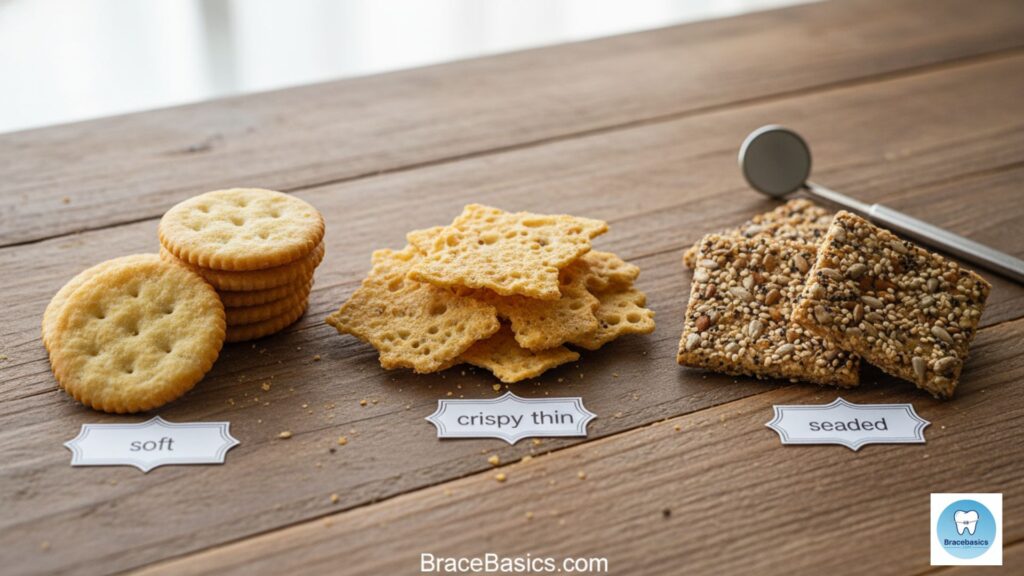
A cracker is a baked grain snack with varied textures. Some dissolve quickly. Others resist bites. Texture decides safety because food texture and braces safety go hand in hand during chewing.
Soft, flaky crackers differ from thick, seeded styles. Dense baking creates hard and crunchy foods that challenge braces. Knowing the difference guides braces care food tips and calmer chewing.
Are Crackers Something to Worry About With Braces?
At first glance, crackers seem harmless. However, the real concern isn’t the label. It’s the structure. Many people ask are crackers bad for braces, and the honest answer depends on texture, thickness, and how force travels during chewing. Softness protects brackets. Density threatens them.
Smart decisions change everything. Choosing gentler textures lowers the risk of crackers damaging braces and reduces surprise repairs. With mindful habits, eating crackers with braces can still fit smoothly into a balanced braces maintenance diet without discomfort or delays.
Why Certain Kinds of Crackers Are Risky
Dense or heavily baked crackers create concentrated pressure when bitten. This sudden force can lead to brackets breaking from food or braces wire damage food, both of which can interrupt treatment and cause unexpected discomfort. Even small bites of hard crackers can strain metal components.
Seeded or extra-crispy varieties increase brittle crackers braces risk because tiny shards can pierce soft tissue and scrape enamel. These fragments often lodge between wires, boosting plaque buildup around braces and triggering soreness. Careless chewing of such crackers can turn a simple snack into a painful setback.
Can You Eat Crackers With Braces?
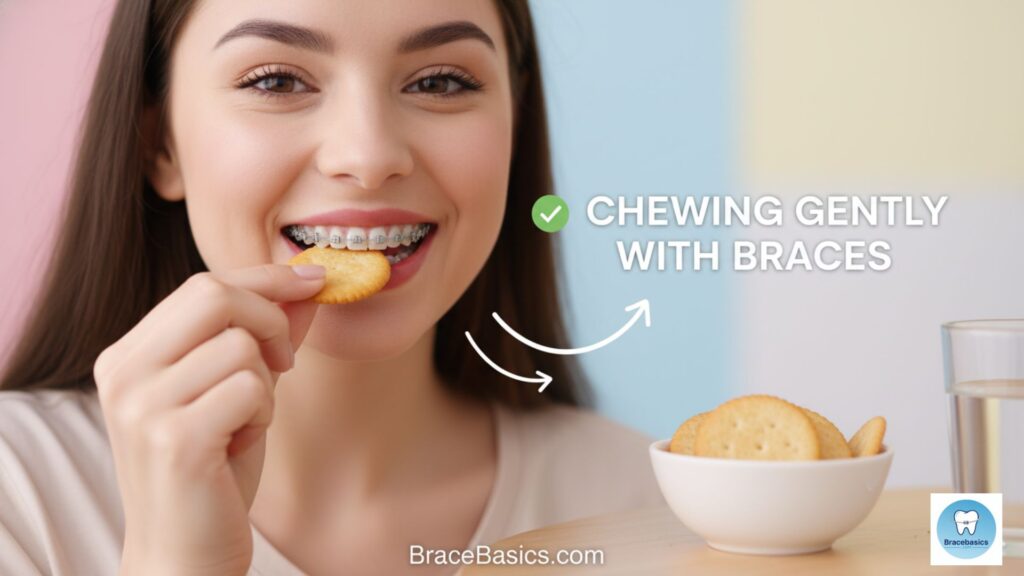
Yes, you can eat crackers with braces safely if you choose the right type and eat carefully. Soft crackers for braces are gentle on brackets, and taking small bites reduces the risk of damage. How you chew is just as important as the cracker itself.
Ignoring these tips can lead to crunchy crackers and braces issues, like bent wires or broken brackets. By choosing soft options and chewing gently with braces, you can enjoy snacks without harming your orthodontic treatment.
What Crackers Are OK for Braces?
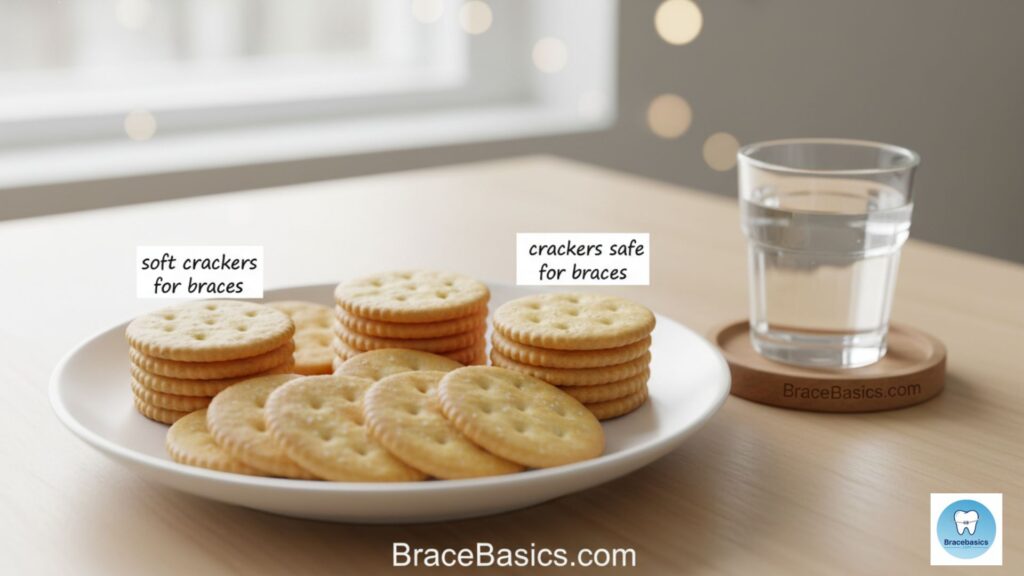
Crackers that are soft and easy to bite are the safest choice for braces. Thin, plain crackers break apart easily in the mouth, reducing pressure on braces brackets and lowering the chance of braces wire damage food. Moist crackers or those paired with a soft topping make snacking safer and more comfortable.
Choosing soft crackers for braces ensures they crumble gently without stressing wires or brackets. These crackers safe for braces help maintain comfort and prevent unexpected repairs, making snack time worry-free.
Safe Cracker Choices
Butter-style crackers and plain saltines softened with a little soup or spread work very well. Seed-free varieties also count as braces friendly crackers, supporting chewing gently with braces and keeping brackets intact during every bite.
Crackers to Avoid When You Have Braces
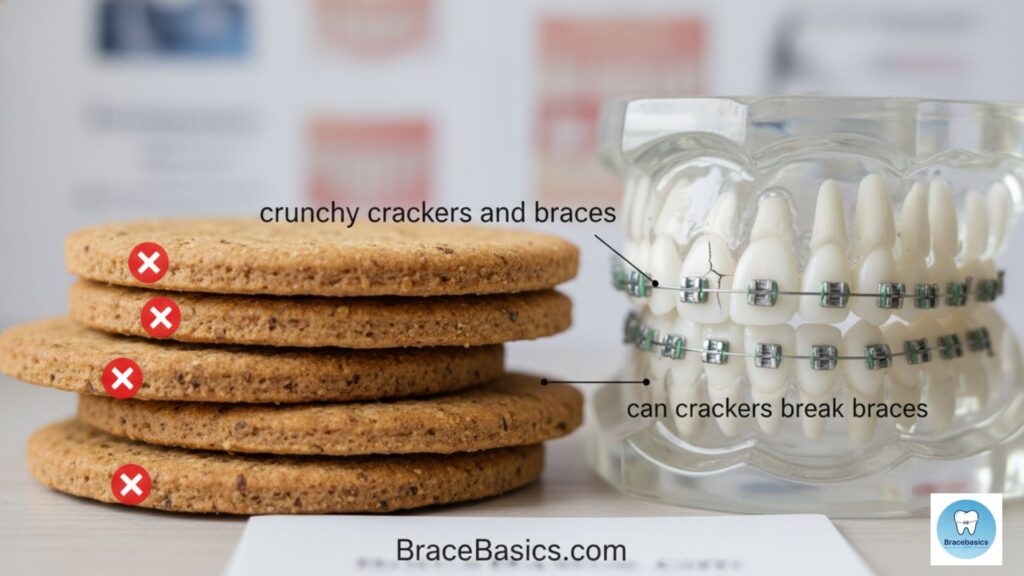
Thick artisan crackers and seeded whole-grain slabs are risky because their density and sharp edges make them crackers to avoid with braces. Biting these can put too much pressure on braces brackets and increase the chance of bent wires and loose brackets.
Extra-toasted or very crunchy styles act like hard and crunchy foods, which can easily cause can crackers break braces issues. These crackers may also lead to dental discomfort from food, making snack time painful and potentially prolonging orthodontic treatment duration.
How to Eat Crackers Safely With Braces
Eating crackers safely isn’t just about the type you choose; how you eat them matters equally. Mindful chewing, small bites, and pairing with soft toppings can prevent pressure on braces brackets, reduce dental discomfort from food, and keep your brackets and wires intact. These simple habits help maintain a braces maintenance diet while allowing you to enjoy snacks comfortably.
- Choose Wisely: Opt for Soft Crackers – Soft textures crumble easily, protecting wires and brackets while chewing with braces safely.
- Skip the Hard and Crunchy Ones – Dense or extra-crunchy crackers increase the risk of braces wire damage food and soreness.
- Break Them Into Smaller Pieces – Smaller bites reduce stress on brackets and prevent small food pieces stuck in wires.
- Pair With Braces-Friendly Toppings – Moist spreads or soft toppings lower friction and improve braces food safety.
- Stay Hydrated While Snacking – Drinking water clears crumbs, reduces plaque, and supports oral hygiene with braces.
This approach ensures safe snacking with braces while protecting your orthodontic progress and comfort.
Foods to Avoid Alongside Crackers
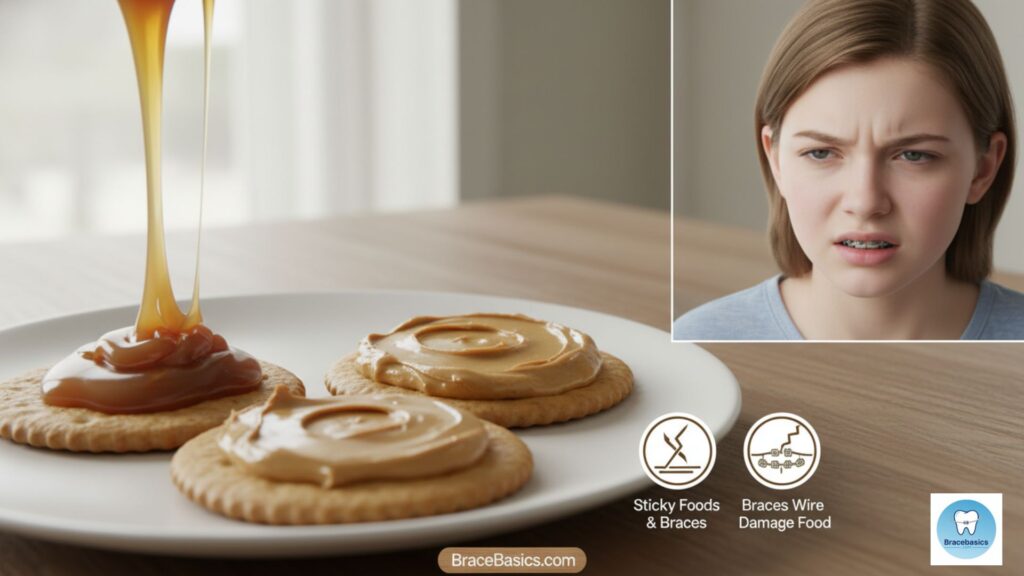
Not all cracker pairings are safe when you have braces. Combining crackers with sticky foods and braces can dramatically increase the risk of damage. Caramel, peanut butter, or thick spreads cling to brackets and wires, pulling at metal components with every bite. This creates tension that can lead to bent wires and loose brackets, making chewing painful and potentially causing unexpected trips to the orthodontist.
Hard toppings, like nuts or crunchy seeds added on top of crackers, multiply the force applied to brackets. Each bite increases pressure on braces brackets, raising the chance of breakage or crackers damaging braces. These combinations can also trap food particles, promote plaque buildup around braces, and prolong orthodontic treatment duration. To enjoy crackers safely, it’s best to stick to soft spreads and avoid layering hard and sticky foods together.
What Kind of Snacks Can You Eat With Braces?
Snacking with braces is safe when you choose gentle textures that don’t stress brackets or wires. Yogurt, smoothies, soft fruits, scrambled eggs, and mashed potatoes are all excellent snacks you can eat with braces. These foods are easy to chew, reduce dental discomfort from food, and minimize the risk of braces wire damage food.
These soft options fall under foods allowed with braces and provide steady energy throughout the day without causing bent wires and loose brackets. Choosing snacks this way supports safe snacking with braces, maintains oral hygiene with braces, and helps prolong orthodontic treatment while keeping your diet enjoyable.
Alternatives to Crackers for Braces Wearers
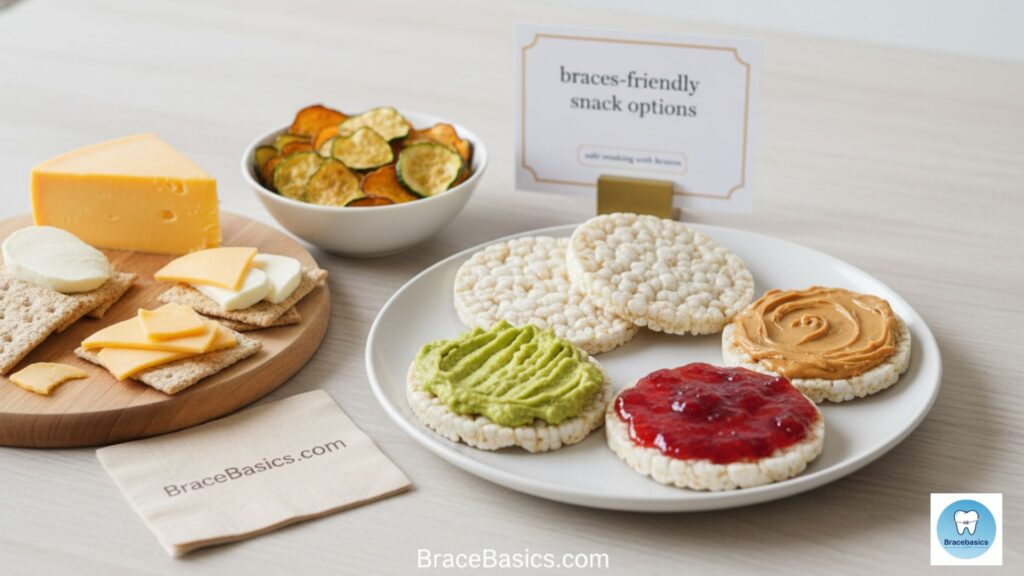
For those who want the crunch of crackers without risking damage, soft alternatives are a smart choice. Rice cakes softened with a little spread, baked veggie chips that dissolve easily, or soft pita crisps provide texture without stressing brackets or wires. These options reduce pressure on braces brackets and prevent crackers damaging braces while still satisfying snack cravings.
These braces-friendly snack options are ideal during adjustment periods when teeth and wires feel sensitive. Following them aligns with an orthodontic diet guide, supports chewing gently with braces, and helps maintain braces food safety while keeping snack time enjoyable and safe.
The Importance of Choosing the Right Foods With Braces
Choosing the right foods plays a major role in comfort, oral health, and the success of braces treatment. Eating the wrong items can cause dental discomfort from food, bent wires and loose brackets, and even extend orthodontic treatment duration. Soft, gentle foods reduce risk while keeping enamel strong and wires intact.
Following orthodontist recommended foods ensures consistent progress and fewer emergency visits. A smart diet supports braces maintenance diet, encourages safe snacking with braces, and teaches good habits for long-term success. Mindful eating not only protects hardware but also promotes oral hygiene with braces, making treatment smoother and more predictable.
Conclusion: Can You Eat Crackers With Braces?
Yes, you can enjoy crackers with braces, but only if you choose wisely. Soft crackers for braces, small bite sizes, and careful chewing are essential to prevent crackers damaging braces or causing bent wires and loose brackets. Paying attention to texture and preparation keeps snack time safe and comfortable.
A mindful approach makes braces diet restrictions easier to manage. By choosing soft options, chewing gently with braces, and pacing each bite, snacking becomes stress-free. Following these habits ensures safe snacking with braces while protecting your orthodontic progress and maintaining long-term braces food safety.
FAQs
Can you eat crackers with braces?
Yes, you can eat crackers with braces, but you must choose soft varieties and chew carefully. Hard, dense, or crunchy crackers can cause braces wire damage food or brackets breaking from food. Small bites and pairing with soft toppings make snacking safe and comfortable.
Can you eat Ritz crackers with braces?
Ritz crackers are usually soft and thin, making them generally safe for braces. Break them into small pieces and chew slowly to avoid pressure on braces brackets. Avoid pairing with sticky spreads that can cling to wires or brackets.
Can you eat graham crackers with braces?
Graham crackers are slightly crunchy but can be eaten if broken into smaller pieces. Eating them gently reduces the risk of crackers damaging braces or small food pieces stuck in wires. Pairing with a soft topping can make them safer.
Can you eat animal crackers with braces?
Animal crackers are light and often soft enough for braces. Eat in small portions and chew carefully to prevent braces wire damage food. Avoid harder, sugar-coated varieties that could increase the risk of brittle crackers braces risk.
Can you eat saltine crackers with braces?
Saltines are thin and break apart easily, making them one of the safest options. Soften them slightly with a drink or spread to reduce pressure on braces brackets and prevent plaque buildup around braces.
Can you eat club crackers with braces?
Club crackers are usually flaky and moderately soft. Break them into smaller pieces and chew slowly to avoid dental discomfort from food or bent wires and loose brackets. Avoid thick or extra-crunchy varieties.
Can you eat Goldfish crackers with braces?
Goldfish crackers are harder and crunchier than most soft crackers. They should be eaten carefully in very small bites. Regularly check for small food pieces stuck in wires and rinse afterward to maintain oral hygiene with braces.
Can you eat peanut butter crackers with braces?
Peanut butter crackers can be sticky, which increases sticky foods and braces risk. Opt for soft crackers and thin layers of peanut butter. Chew gently to prevent crackers damaging braces or braces wire damage food.
Can you eat soft crackers with braces?
Yes, soft crackers are the safest choice. They reduce pressure on braces brackets and lower the risk of braces wire damage food. Examples include thin butter crackers or lightly softened saltines.
Can you eat rice crackers with braces?
Rice crackers are often hard and brittle, so they are usually not recommended. If eaten, break into very small pieces and chew slowly. Avoid extra-crispy or toasted varieties to prevent crunchy crackers and braces problems.
Can you eat prawn crackers with braces?
Prawn crackers are very crispy and hard, posing a high risk of brittle crackers braces risk. They can easily cause bent wires and loose brackets and are best avoided while wearing braces.
Related Posts
Explore More About Braces and Safe Eating
Can You Eat Bacon With Braces?
https://bracebasics.com/can-you-eat-bacon-with-braces/
Can You Eat Bagels With Braces?
https://bracebasics.com/can-you-eat-bagels-with-braces/
Can You Eat Nuts With Braces?
https://bracebasics.com/can-you-eat-nuts-with-braces/
Can I Eat Ice Cream With Braces?
https://bracebasics.com/can-i-eat-ice-cream-with-braces/
Can You Eat Corn With Braces?
https://bracebasics.com/can-you-eat-corn-with-braces/
Hi, I’m Dr. Martin, the founder of BraceBasics.com. With years of experience in orthodontics, I’ve made it my mission to simplify braces care for patients of all ages. Here, you’ll find easy-to-understand advice, practical tips, and reliable resources to make your braces journey smoother, healthier, and stress-free. My goal is to help you smile with confidence every step of the way.