

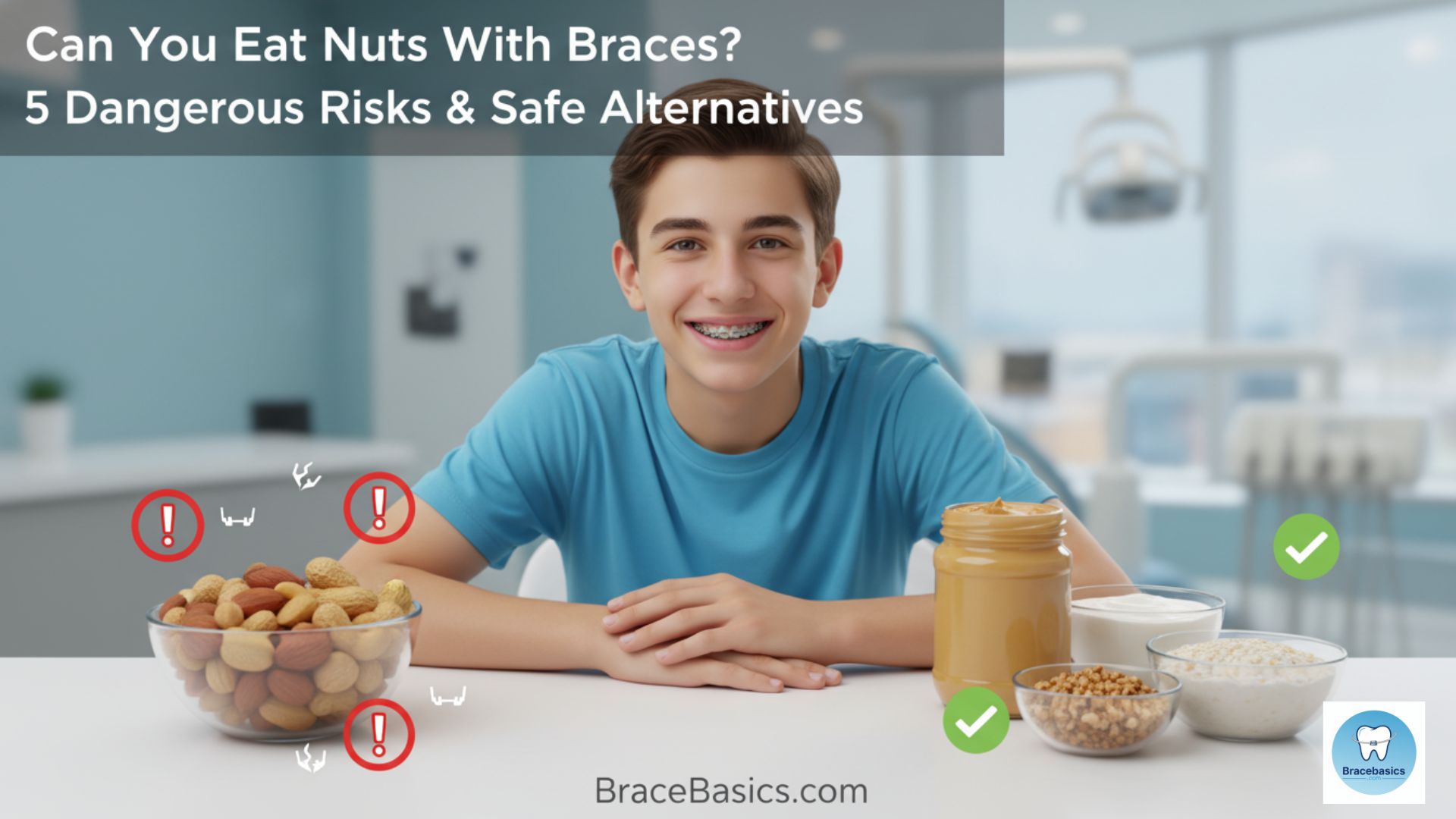
Eating nuts while wearing braces might seem harmless, but it can be surprisingly risky. Many people wonder, “Can you eat nuts with braces?” because they enjoy them daily. Nuts are crunchy, dense, and can easily cause braces damage from nuts, leading to brackets and wires breakage. Knowing which nuts are safe, which to avoid, and how to enjoy them without harm is essential for maintaining your orthodontic progress. This article covers the risks of eating hard nuts with braces, safe alternatives, and practical dental braces care tips to keep your smile healthy and treatment on track.
Braces require delicate care. Orthodontists often give a long list of hard foods to avoid with braces, and nuts frequently appear at the top. The pressure needed to bite into a hard almond or cashew can easily break brackets and wires. Even small mistakes can delay treatment and increase dental visits. This guide offers detailed insights into orthodontic treatment food restrictions, practical eating tips with braces, and braces-friendly diet ideas that satisfy cravings safely.
Quick Answer: Can You Eat Nuts With Braces?
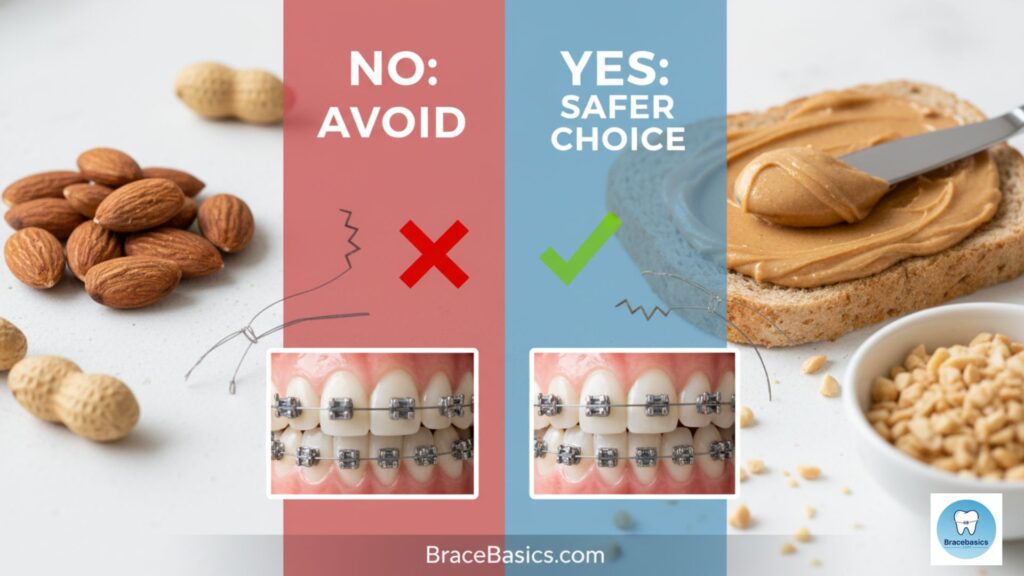
In short, you should generally avoid whole, hard nuts. Crunchy foods and braces, like almonds or peanuts, can easily cause braces problems. Biting directly into a hard nut can pop brackets off teeth or bend wires, leading to pain and longer orthodontic treatment. However, not all nuts are off-limits. Smooth nut butters, finely chopped, or softened nuts can sometimes be consumed safely. These soft nut alternatives for braces allow you to enjoy protein and healthy fats without risking your braces.
Even when eating softer forms, moderation is key. Nuts should never be a replacement for proper oral care. Rinsing, brushing, and using a water flosser after eating nuts can help prevent trapped food from causing braces damage from nuts. Knowing how to prevent braces damage from food ensures your orthodontic treatment stays on schedule and keeps your teeth healthy.
Understanding the Braces Conundrum
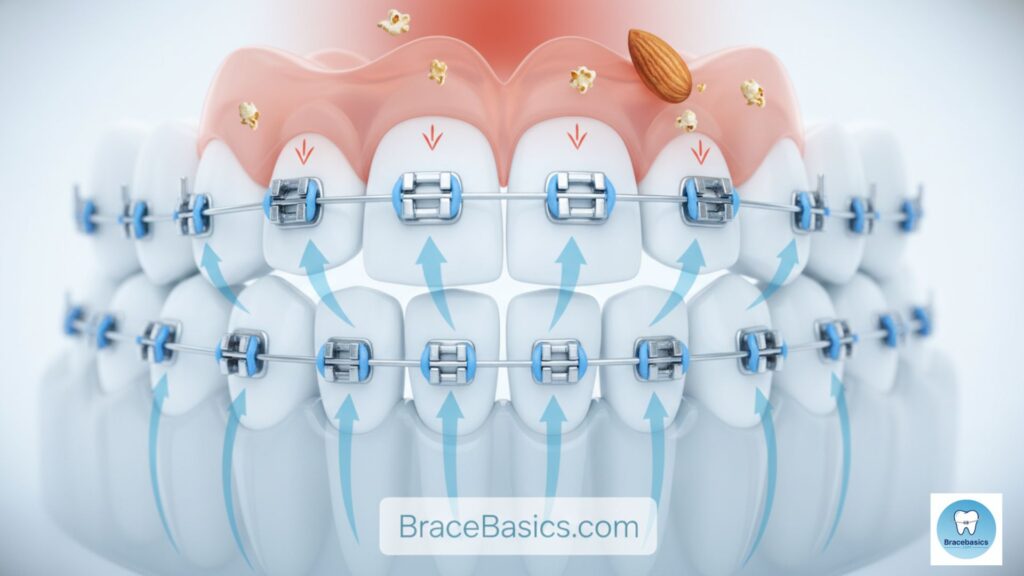
Braces work by applying gentle pressure over time to move teeth into proper alignment. The metal brackets and wires are sturdy, but they are not indestructible. Foods that cause braces problems, especially hard or sticky foods, can interfere with this process. Biting into a hard nut can force a bracket to loosen or a wire to bend, which may require an urgent orthodontic visit. Understanding this helps explain why risks of eating hard nuts with braces are significant.
Orthodontists provide braces food guide for adults and teens, detailing what is safe and unsafe. Braces-friendly protein sources like soft nuts, yogurt, or scrambled eggs help maintain nutrition while protecting the braces. Being aware of the potential hazards from everyday snacks allows patients to make smarter choices and avoid painful or costly repairs.
Why Nuts Are a Problem for Braces
Risk of Bracket Breakage
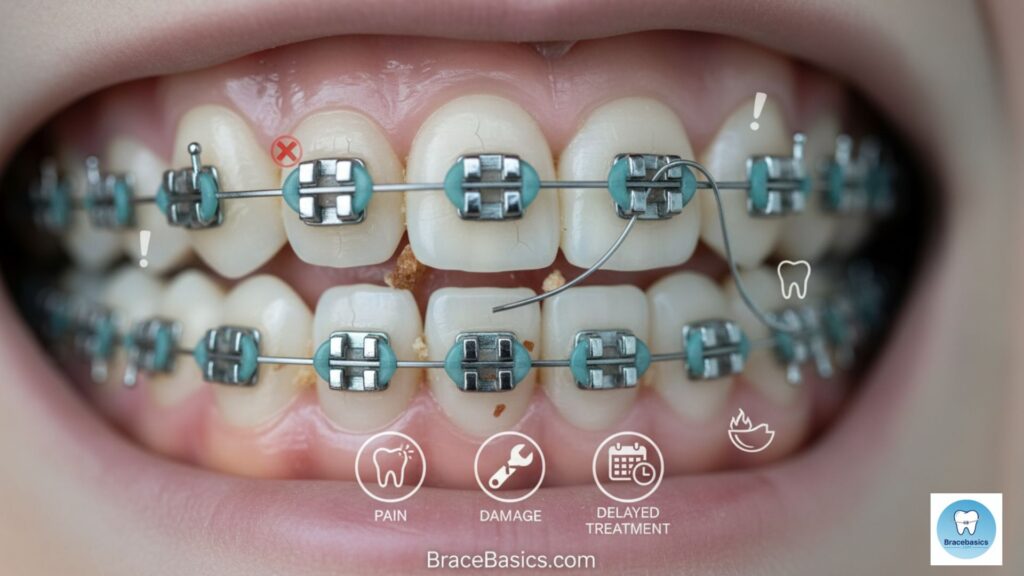
Biting into a whole almond or cashew can break brackets and wires, forcing orthodontists to spend extra time reattaching them. Each bracket holds the wire in place to guide teeth movement. When a bracket pops off, the tooth loses pressure, slowing treatment. Broken brackets also increase the risk of soft tissue irritation, which can make eating uncomfortable.
Potential for Wire Damage
Nuts can bend or twist wires. Even minor wire distortions affect how braces work. When wires are bent, orthodontist-approved snacks become restricted until the wires are fixed. Damage to wires can create gaps between teeth and prolong treatment. This makes controlling hard foods to avoid with braces more important than ever.
Teeth and Gum Irritation
Small nut fragments often lodge between brackets and teeth, causing gum irritation. Over time, trapped particles lead to plaque buildup, which can result in cavities or braces damage from nuts. Patients may notice soreness or discomfort while chewing, which discourages healthy eating habits.
Crumbs and Cleaning Challenges
Nuts are notorious for leaving crumbs. They hide in the tiny crevices around braces, making brushing and flossing difficult. Consistent cleaning is crucial because neglected crumbs contribute to foods that cause braces problems. Using a water flosser or specialized orthodontic brush can help remove these hidden particles.
Delayed Orthodontic Treatment
Repeated exposure to hard nuts can extend the length of treatment. Each broken bracket or bent wire can push back progress. Orthodontists emphasize the importance of following orthodontic treatment food restrictions to avoid unnecessary delays and maintain a smooth braces experience.
Navigating the Nutty Terrain: Types of Nuts and Their Risks
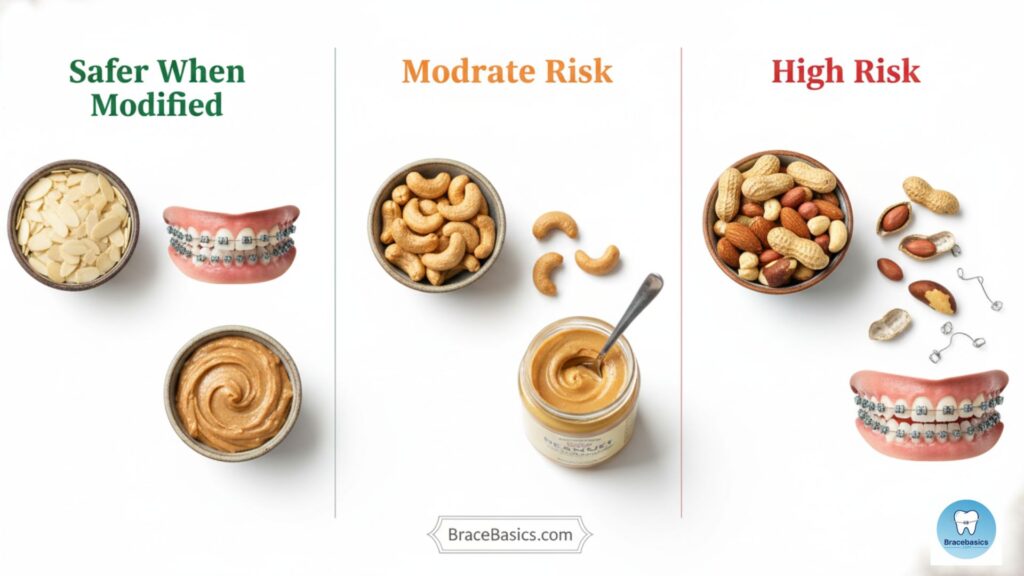
Can You Eat Almonds With Braces?
Almonds are one of the hardest nuts and can be particularly risky for anyone wearing braces. Biting directly into a whole almond can easily cause brackets and wires breakage, leading to pain, emergency orthodontic visits, and delays in treatment. Even small accidents, like accidentally chewing a slightly hard almond, can damage your braces or irritate your gums.
To enjoy almonds safely, preparation is key. Slicing almonds into thin pieces, crushing them, or soaking them in water softens their texture, making them easier to chew. These soft nut alternatives for braces provide the same nutritional benefits—protein, healthy fats, and vitamins—without the risk of harm. For example, adding finely sliced almonds to oatmeal or yogurt allows you to enjoy the flavor safely. So, are almonds safe with braces? Only when they are softened, chopped, or incorporated thoughtfully into meals, and always eaten with caution while following proper dental braces care tips.
Can You Eat Cashews With Braces?
Cashews are softer than almonds, but they still require caution when eating with braces. Chewing whole cashews can cause braces damage from nuts by putting unnecessary pressure on brackets and wires, potentially bending wires or loosening brackets. Even though they are less dense, biting directly into a cashew can still disrupt orthodontic treatment and create discomfort.
Safer options include chopping cashews into small pieces or blending them into a smooth paste. These soft nut alternatives for braces allow you to enjoy their protein and healthy fats without risking damage. You can mix chopped cashews into yogurt, sprinkle them over oatmeal, or blend them into smoothies for a creamy, nutritious treat. Following dental braces care tips and consuming cashews thoughtfully ensures you get the benefits of this nut while maintaining a safe, braces-friendly diet.
Can You Eat Peanuts With Braces?
Whole peanuts are extremely hard and pose a high risk for braces damage from nuts. Biting into even a single peanut can cause brackets and wires breakage, disrupt orthodontic treatment, and create soreness in the gums or teeth. Because of this, orthodontists strongly advise avoiding whole peanuts entirely while wearing braces.
Smooth peanut butter, however, is a safe and nutritious alternative. Many patients ask, “Can I eat peanut butter with braces?” The answer is yes, as long as it is completely smooth with no crunchy pieces. Peanut butter can be spread on toast, stirred into oatmeal, blended into smoothies, or used as a dip for soft fruits. These soft nut alternatives for braces allow you to enjoy protein and healthy fats without risking your brackets or wires. Following proper dental braces care tips after eating ensures your braces stay intact and your orthodontic treatment remains on track.
Can You Eat Walnuts With Braces?
Walnuts are moderately hard and have a complex, irregular shape, which makes them risky for people wearing braces. Biting into whole walnuts can easily cause brackets and wires breakage or trap pieces between teeth and braces, leading to foods that cause braces problems like plaque buildup and gum irritation. Their uneven texture can stress brackets more than smoother nuts, increasing the chance of braces damage from nuts.
Safer alternatives include chopping walnuts finely, crushing them, or adding them in softened form to oatmeal, yogurt, or baked goods. You can also use walnut butter, which provides the same protein and healthy fats without risking your braces. Following dental braces care tips, such as rinsing and brushing after eating, ensures your brackets and wires remain intact while you still enjoy the flavor and nutrients of walnuts.
Can You Eat Sunflower Seeds With Braces?
Yes, you can eat sunflower seeds with braces, but only with care. Whole sunflower seeds in their shells are risky because biting them can cause brackets and wires breakage and irritation. However, shelled sunflower seeds eaten in small amounts are usually safer if you chew gently and avoid biting down hard.
The safest option is to use ground or powdered sunflower seeds or mix shelled seeds into soft foods like yogurt or oatmeal. These options reduce pressure on braces while still providing protein and healthy fats. Always rinse and brush after eating because small seed pieces can get stuck around brackets. With smart choices and good hygiene, sunflower seeds can fit into a braces-friendly diet without causing damage.
Other Nuts and Mixed Nut Snacks
Trail mix, chocolate-covered nuts, and nut clusters are some of the riskiest options for people with braces. These snacks combine hardness, stickiness, and sugar, creating a perfect storm for braces damage from nuts. Biting into them can easily break brackets and wires or leave crumbs trapped between teeth, which can increase plaque buildup and gum irritation.
Because of these risks, it is best to approach these snacks with caution or avoid them entirely. If you want to enjoy the flavors, consider making a homemade version with softened or chopped nuts, dried fruits that are not sticky, and small amounts of chocolate chips. This provides the taste and nutrition without compromising your braces. Following dental braces care tips after eating—such as brushing, rinsing, and using a water flosser—helps prevent foods that cause braces problems and keeps your orthodontic treatment on track.
Delicious and Braces-Safe Alternatives

Eating nuts while wearing braces doesn’t mean you must give up all your favorite flavors. There are several braces-friendly alternatives that let you enjoy protein, healthy fats, and crunch safely. By choosing softer forms of nuts or nut substitutes, you can maintain nutrition without risking brackets and wires breakage or other foods that cause braces problems.
Nut Butters
Smooth peanut, almond, or cashew butter offers a safe way to enjoy the taste and nutritional benefits of nuts. These soft nut alternatives for braces are rich in protein, healthy fats, and essential vitamins while being gentle on your brackets and wires. Nut butters can be spread on toast, blended into smoothies, or stirred into oatmeal and desserts for a creamy, satisfying texture. Unlike whole nuts, they do not require biting into hard surfaces, reducing the risk of braces damage from nuts and helping maintain steady orthodontic treatment progress.
Softened or Chopped Nuts
If you prefer whole nuts, modifying their texture is key. Soaking nuts in water or finely chopping them softens their density, making them safer to chew with braces. Crushed or chopped nuts provide the same flavor and nutritional benefits without the hardness that can pop brackets or bend wires. For example, adding crushed almonds to yogurt or baking recipes allows you to enjoy nuts safely. Using crushed nuts vs whole nuts for braces is a simple solution to include them in your diet while following braces-friendly diet ideas.
Nut-Free Crunchy Options
For those who crave crunch, seeds like sunflower, pumpkin, or chia seeds, and soft granola are excellent alternatives. These options mimic the texture of nuts but are less likely to cause hard foods to avoid with braces problems. They provide essential protein, fiber, and micronutrients while being safe for your orthodontic treatment. Choosing braces-friendly protein sources like seeds keeps your diet balanced and prevents accidental brackets and wires breakage.
Incorporating Nuts Safely into Foods
Another strategy is to integrate crushed or softened nuts into other dishes. Mixing them into yogurt, oatmeal, or baked goods adds flavor, texture, and nutritional value without putting your braces at risk. Following proper dental braces care tips, such as rinsing after meals and brushing thoroughly, ensures that these additions don’t compromise your brackets or wires. This approach allows you to enjoy the benefits of nuts while staying aligned with your orthodontist-approved snacks and braces food guide for adults and teens.
Can You Eat Powdered Nuts With Braces?
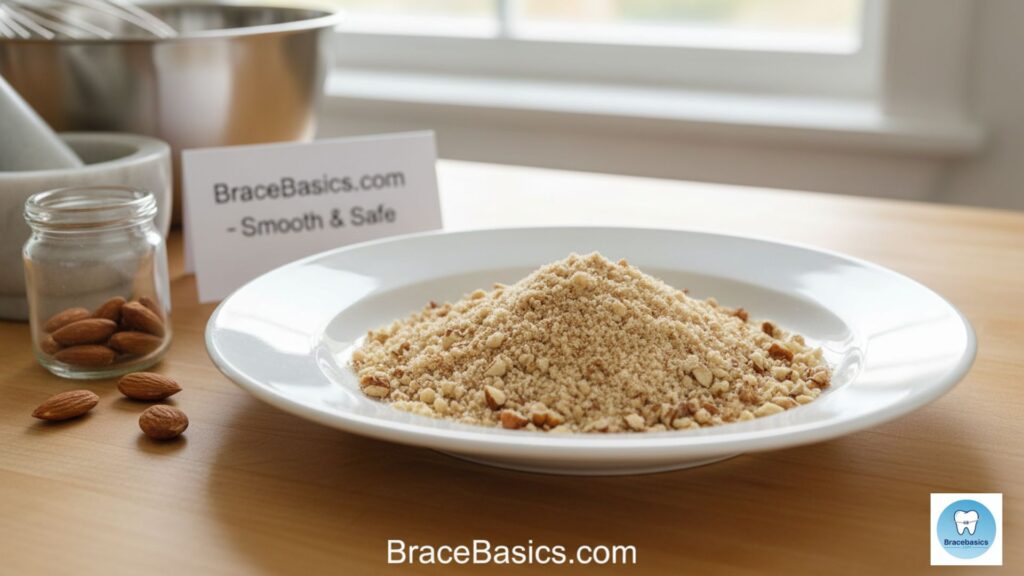
Yes, powdered nuts are generally safe with braces, and they are one of the best alternatives to whole nuts. When nuts are ground into a fine powder, they lose the hard, crunchy texture that can cause brackets and wires breakage. This makes powdered nuts much gentler on braces and easier to chew, reducing the risk of braces damage from nuts or sudden pain while eating.
Powdered nuts can be mixed into yogurt, oatmeal, smoothies, or even baked goods without stressing your braces. They still provide protein, healthy fats, and nutrients, making them excellent braces-friendly protein sources. However, good hygiene remains important. Fine nut particles can cling around brackets, so rinsing and brushing after eating helps prevent foods that cause braces problems. When used thoughtfully, powdered nuts fit well into a safe, braces-friendly diet and support your orthodontic treatment without unnecessary risk.
Tips for Eating Nuts Safely With Braces
Eating nuts while wearing braces requires careful planning and mindful eating to avoid braces damage from nuts. Hard or whole nuts can easily loosen brackets or bend wires, which may slow orthodontic treatment. Tiny nut particles can also get trapped, creating foods that cause braces problems and raising the risk of cavities or gum irritation. Following smart strategies helps you enjoy nuts safely while protecting your braces and oral health.
- Choose Orthodontist-Approved Snacks: Opt for powdered nuts, crushed or softened nuts, or smooth nut butters to maintain a braces-friendly diet without sacrificing nutrition.
- Chew Slowly and Carefully: Take small bites and chew gently to reduce pressure on brackets and wires.
- Avoid Biting Whole Nuts: Never bite directly into almonds, cashews, walnuts, or other hard nuts. Cut, chop, soak, or grind them first.
- Use Powdered Nuts When Possible: Finely ground nut powder mixes easily into yogurt, oatmeal, smoothies, or baked foods and greatly reduces the risk of brackets and wires breakage.
- Rinse or Brush After Eating: Remove fine nut particles quickly to prevent trapped food from causing braces damage from nuts.
- Use a Water Flosser or Orthodontic-Friendly Floss: Clear crumbs from tight spaces around brackets and wires more effectively.
- Practice Moderation: Limit how often you eat nuts to reduce constant stress on your braces and avoid accidental damage.
Conclusion
Nuts are nutritious, but hard or whole nuts can severely damage braces from nuts. Understanding the risks of eating hard nuts with braces, choosing soft nut alternatives for braces, and following proper dental braces care tips protects your orthodontic progress. Incorporate safe snacks, maintain oral hygiene, and consult your orthodontist for guidance. Following these steps ensures a healthier, straighter smile without unnecessary delays.
Table: Nuts Safety Guide for Braces
| Nut Type | Safe with Braces? | Recommended Form | Notes |
| Almonds | Rarely | Sliced, soaked, or finely chopped | Whole almonds risk bracket breakage |
| Cashews | Occasionally | Chopped or blended | Softer than almonds but still requires care |
| Peanuts | Only peanut butter | Smooth, no chunks | Whole peanuts dangerous |
| Mixed Nut Snacks | No | Avoid completely | Trail mix, chocolate-coated nuts risky |
| Seeds (Sunflower/Pumpkin) | Yes | Roasted or soft | Safe braces-friendly protein sources |
FAQs
What nuts can you have with braces?
With braces, only soft or modified nuts are considered safe. Whole, hard nuts often fall under hard foods to avoid with braces because they can cause brackets and wires breakage. Safer choices include powdered nuts, finely chopped or soaked nuts, and smooth nut butters with no crunchy pieces. These options fit well into braces-friendly diet ideas and help prevent braces damage from nuts while still providing protein and healthy fats.
Is it okay to eat pecans with braces?
Pecans are softer than many nuts, but they can still pose a risk when eaten whole. Their uneven texture can stress brackets and wires, especially if chewed carelessly. To enjoy pecans safely, they should be finely chopped, crushed, or mixed into soft foods like oatmeal or yogurt. Prepared this way, pecans become soft nut alternatives for braces and reduce the risk of foods that cause braces problems.
Can you eat corn nuts with braces?
Corn nuts should be avoided completely when wearing braces. They are extremely hard and crunchy, making them one of the most dangerous snacks for orthodontic appliances. Biting into corn nuts can easily cause braces damage from nuts, bend wires, or pop brackets off teeth. Orthodontists commonly include corn nuts in orthodontic treatment food restrictions due to their high risk.
Can you eat Honey Nut Cheerios with braces?
Honey Nut Cheerios are generally safe for people with braces because they soften quickly when chewed or soaked in milk. However, their sugary coating can stick to brackets and increase plaque buildup if oral hygiene is poor. Rinsing or brushing after eating helps prevent foods that cause braces problems and supports proper dental braces care tips during treatment.
Can you eat macadamia nuts with braces?
Macadamia nuts are very hard and dense, which makes them risky for braces when eaten whole. Chewing them can lead to brackets and wires breakage and discomfort. If macadamia nuts are finely chopped, crushed, or used in butter form, they may be eaten occasionally with caution. These forms align better with braces-friendly protein sources and help reduce the risk of orthodontic damage.
Related Posts
Can You Eat Peanut Butter With Braces?
Learn why smooth peanut butter is safe, how to eat it properly, and what to avoid.
Can You Eat Corn With Braces?
Discover why corn and corn nuts are risky and which corn options are braces-safe.
Braces-Friendly Foods: What You Can Eat Safely
A complete guide to soft, safe, and orthodontist-approved foods for braces wearers.
Foods You Can Not Eat With Braces
Understand the most dangerous foods that cause bracket and wire damage.
30 Soft Snacks for Braces: A Complete Guide
Find easy, tasty snack ideas that protect braces and keep you full.
Hi, I’m Dr. Martin, the founder of BraceBasics.com. With years of experience in orthodontics, I’ve made it my mission to simplify braces care for patients of all ages. Here, you’ll find easy-to-understand advice, practical tips, and reliable resources to make your braces journey smoother, healthier, and stress-free. My goal is to help you smile with confidence every step of the way.