
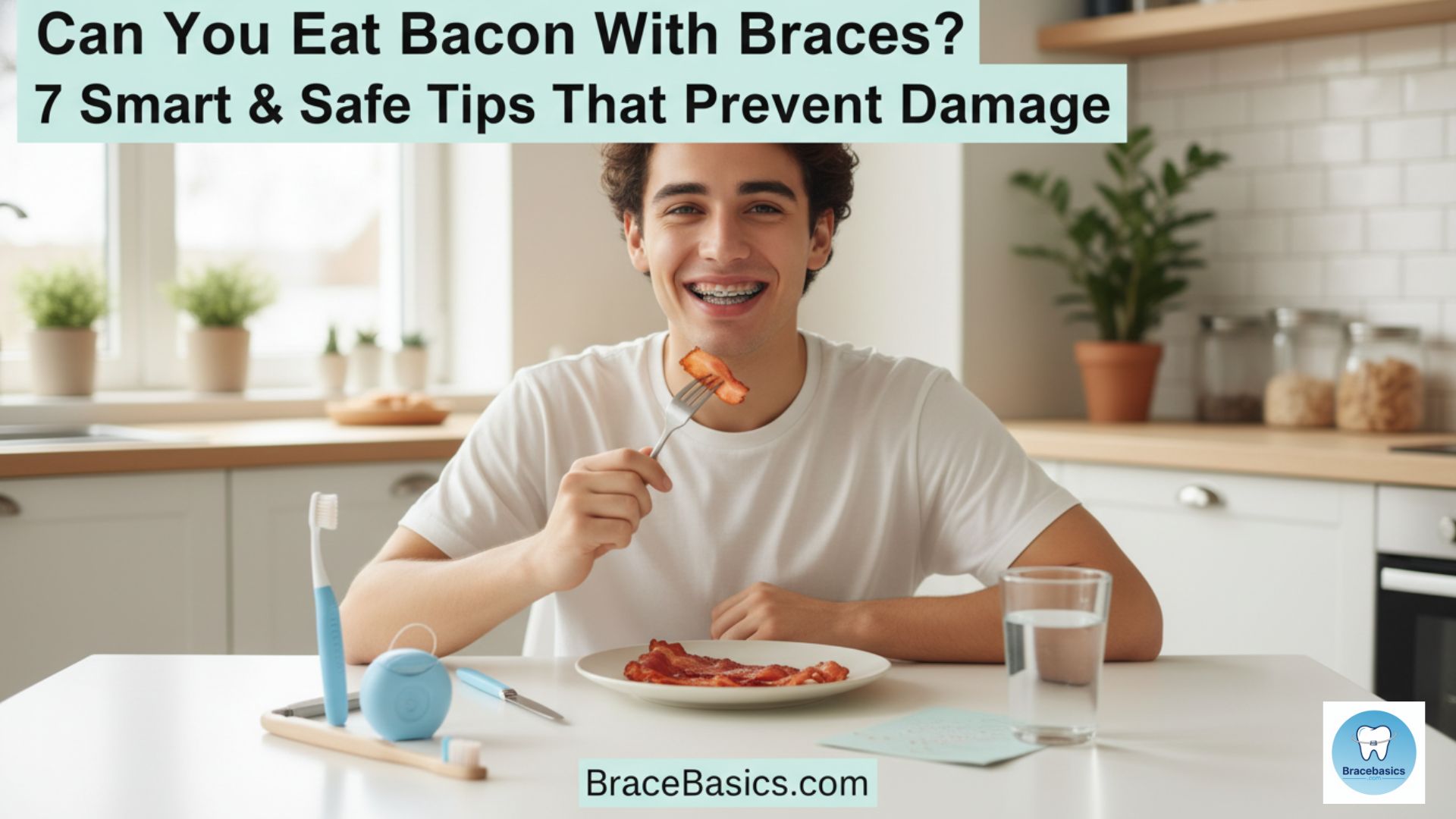
Eating with braces can feel tricky. Braces food restrictions often confuse patients, especially when it comes to favorite treats. One common question is, “can you eat bacon with braces?” Bacon is popular across the USA, especially for breakfast. Its texture, crispiness, and fat content make many people wonder if it is safe for metal brackets and wires. Understanding the right way to enjoy bacon can protect your orthodontic treatment and your smile.
Bacon is delicious but can pose risks if eaten carelessly. Bacon and braces safety depend on how it is cooked, the size of bites, and your oral care after eating. Eating bacon incorrectly may lead to bacon breaking brackets, bacon bending braces wires, or even plaque buildup around brackets. With proper guidance, you can enjoy bacon while keeping your braces safe.
Why Food Choices Matter When You Have Braces
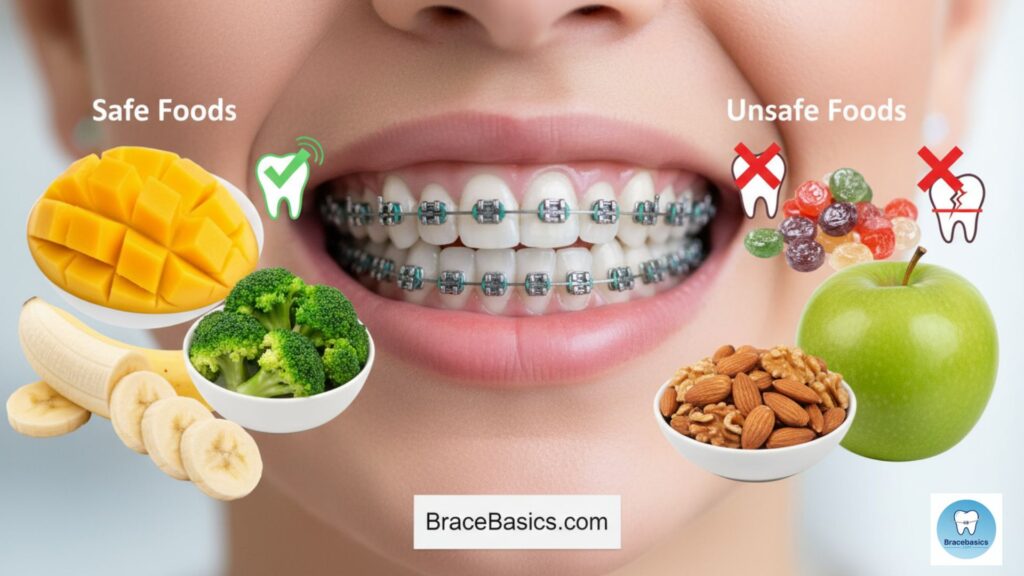
Food choices affect the speed and comfort of orthodontic treatment. Hard or sticky foods can damage metal brackets and wires and cause unnecessary visits to the orthodontist. Chewing incorrectly increases chewing pressure on teeth and can lead to pain or broken appliances. Even common foods like bacon can be harmful if not prepared or eaten carefully.
Choosing orthodontist approved foods ensures better results. Soft, easy-to-chew items reduce dental braces damage and prevent discomfort from tooth sensitivity after braces adjustment. Proper food selection also helps maintain enamel protection and reduces the risk of food stuck in braces or plaque buildup around brackets, which are common concerns during orthodontic treatment.
Why Bacon Is a Common Concern for Braces Wearers
Bacon has a mixed texture that makes it risky for braces. Crispy bacon can snap and put pressure on metal brackets and wires, while chewy bacon may stick to braces and cause food stuck in braces. The fat in bacon can also cling to the brackets, increasing plaque buildup around brackets if not cleaned properly.
Many patients ask, “is bacon safe for braces?” because they want protein foods safe for braces without risking damage. Americans love bacon, but its texture and preparation method make it a common concern. Proper knowledge of braces friendly bacon can help enjoy it without harming orthodontic appliances.
Can You Eat Bacon With Braces?
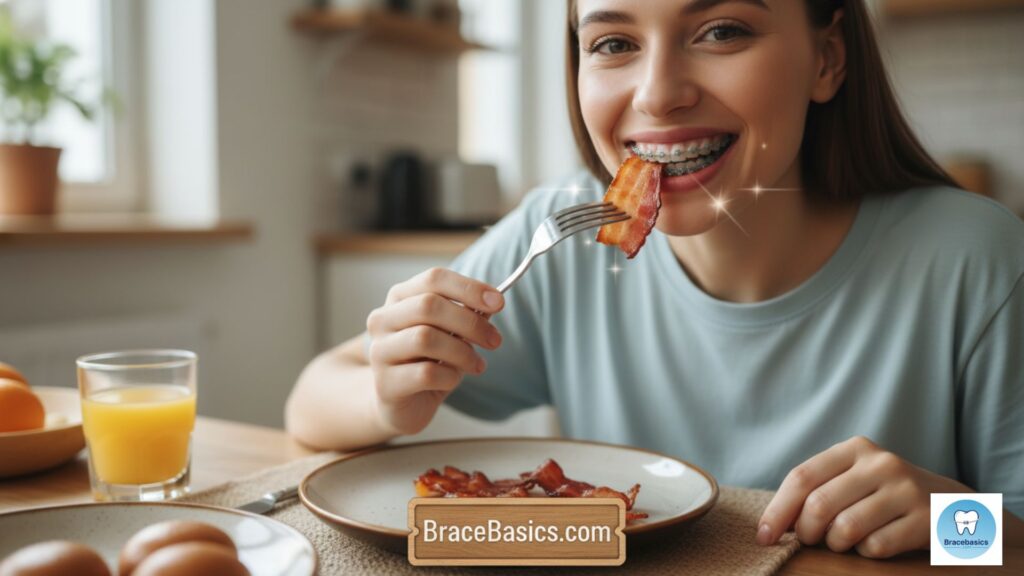
Yes, you can eat bacon with braces, but it must be soft and prepared correctly. Eating soft bacon with braces reduces the risk of bacon breaking brackets and bacon bending braces wires. It’s not about avoiding bacon completely but learning how to eat it safely.
Timing is also important. Avoid bacon right after braces adjustments when teeth are sensitive. Chewing bacon with braces during soreness may increase chewing pressure on teeth, causing discomfort or damage. Learning the proper techniques ensures bacon with orthodontic braces remains a safe treat.
Short and Clear Answer for Braces Patients
In short, can braces patients eat bacon? Yes, but only soft, tender bacon. Crispy or thick strips are risky. Cut bacon into small pieces and chew slowly with back teeth to prevent stress on brackets. Always clean your braces thoroughly afterward.
Eating bacon safely protects metal brackets and wires, prevents dental braces damage, and reduces plaque buildup around brackets. Choosing bacon during orthodontic treatment wisely keeps your braces in good condition and ensures your treatment progresses without interruptions.
How Braces React to Hard and Chewy Foods
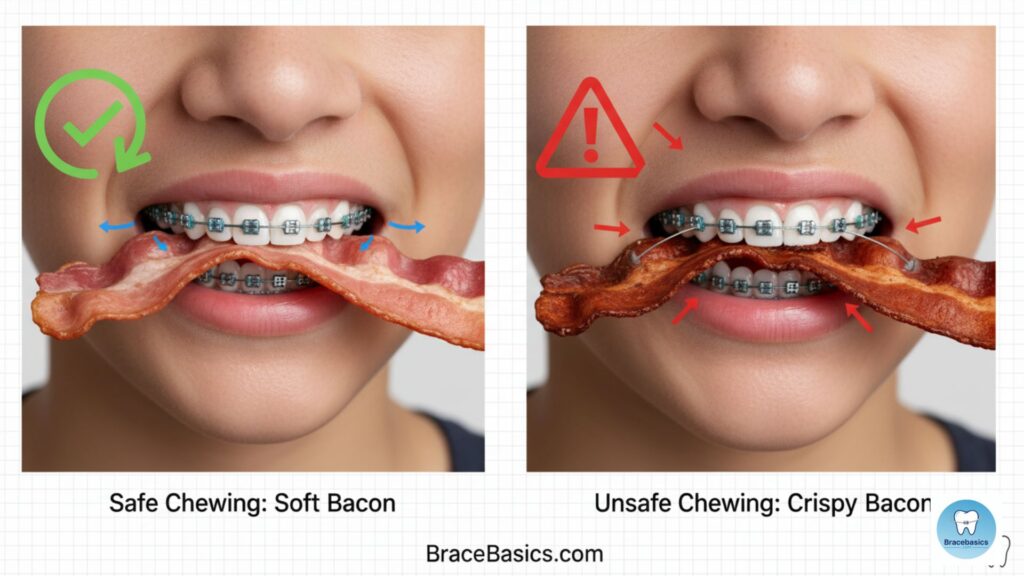
Hard foods like crispy bacon can snap wires or dislodge brackets. Chewy foods pull on braces and increase chewing pressure on teeth, which can lead to bacon bending braces wires or discomfort. Even small cracks in bacon can cause problems when biting with front teeth.
Chewing improperly or too fast can lead to bacon breaking brackets. Sticky grease also encourages food stuck in braces, which increases the risk of cavities and plaque buildup around brackets. Understanding how braces respond to different textures is essential for orthodontic appliance care.
The Role of Bacon Texture in Braces Safety
Texture is the key factor in bacon and braces safety. Soft, pliable bacon is safe, while crispy, brittle bacon is not. Braces friendly bacon bends easily when chewed, reducing the risk of dental braces damage. Fatty bacon may stick but can be managed with proper cleaning.
Crispy bacon increases chewing pressure on teeth and can damage metal brackets and wires. Even small pieces of hard bacon can create problems over time. Paying attention to bacon’s texture ensures safe enjoyment without compromising oral hygiene with braces.
Is Bacon Safe for Kids vs Adults With Braces?
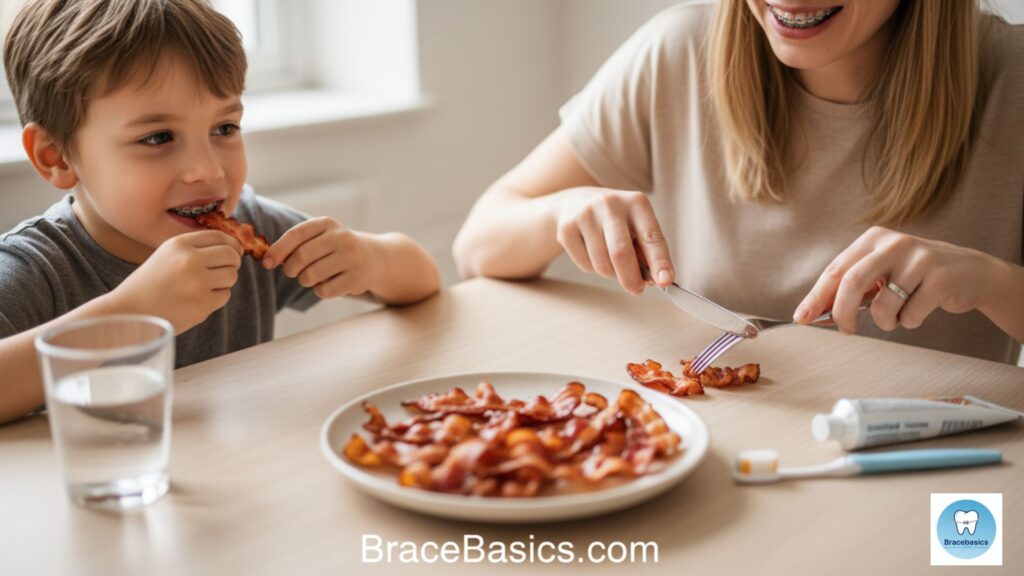
Children often bite hastily, increasing the chance of bacon breaking brackets. Adults usually chew more carefully, making bacon for people with braces safer when soft. Kids may also struggle to maintain oral hygiene with braces, so softer bacon is preferred.
Parents should supervise children eating bacon. Adults can manage chewing bacon with braces effectively by following tips like cutting into small pieces, eating slowly, and cleaning afterward. Safety varies depending on age and chewing habits.
What Orthodontists Generally Say About Bacon
Orthodontists recommend caution. They advise soft bacon with braces over crispy strips. Braces specialists often provide lists of meats you can eat with braces and stress orthodontic appliance care. Following these guidelines reduces repair visits and prevents bacon bending braces wires.
Cleaning after eating bacon is critical. Flossing after eating bacon and brushing helps avoid plaque buildup around brackets. Orthodontists generally approve occasional bacon when prepared correctly and eaten with care.
7 Smart & Safe Tips for Eating Bacon With Braces
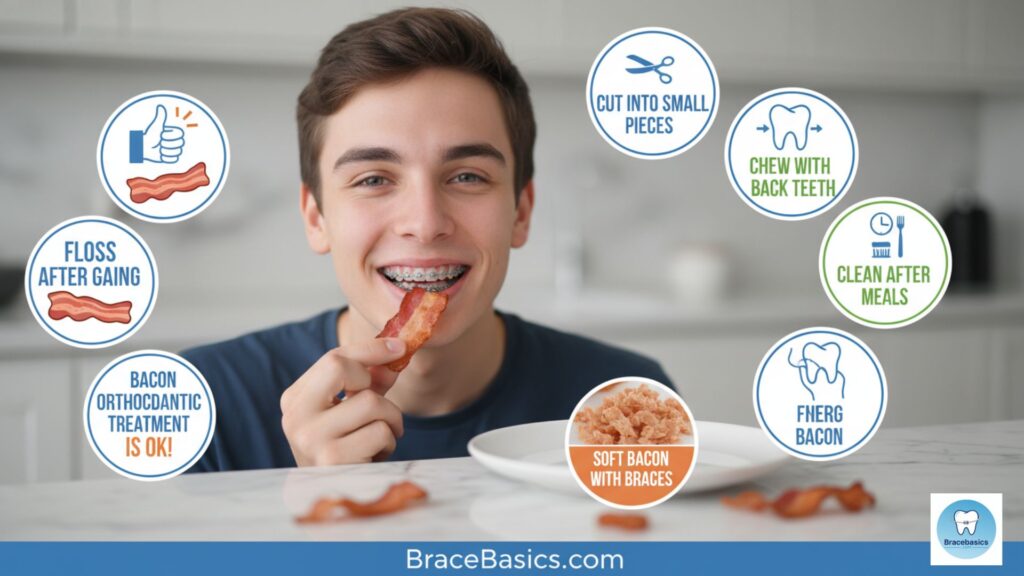
Eating bacon safely requires small adjustments. Following tips prevents bacon breaking brackets and supports oral hygiene with braces. Small changes like cutting bacon into bite-sized pieces and chewing slowly help you enjoy bacon without stress.
Even with safe habits, timing is important. Avoid bacon right after braces adjustments due to tooth sensitivity after braces adjustment. Combining preparation, chewing technique, and cleaning ensures bacon during orthodontic treatment is enjoyable and safe.
Tip 1: Choose Soft, Well-Cooked Bacon
Soft bacon is gentle on braces. Tender strips bend easily under chewing pressure, protecting metal brackets and wires. Overcooked bacon is brittle, leading to crispy bacon braces damage, which can slow treatment.
Difference Between Soft Bacon and Crispy Bacon
Soft bacon is flexible and chewy. Crispy bacon snaps and can break brackets. Choosing soft textures ensures comfort and reduces stress on your braces during chewing.
Best Cooking Methods for Braces-Friendly Bacon
Bake at low heat, pan-cook slowly, or microwave carefully. Avoid overcooking. The goal is soft bacon with braces, which maintains taste while minimizing risk to your orthodontic appliance.
Tip 2: Avoid Crispy, Crunchy, or Burnt Bacon
Crispy bacon can cause bacon bending braces wires or bracket loosening. Burnt edges are especially hard and dangerous. Always check the texture before eating.
How Crispy Bacon Can Damage Brackets and Wires
Biting hard bacon applies sudden chewing pressure on teeth, which may result in bacon breaking brackets. Even one wrong bite can damage braces.
Why Brittle Foods Are a Hidden Braces Risk
Small fragments of hard bacon can lodge in brackets, increasing plaque buildup around brackets. Over time, this contributes to cavities and enamel wear.
Tip 3: Cut Bacon Into Small, Bite-Sized Pieces
Smaller pieces reduce stress on metal brackets and wires and make chewing safer. Avoid biting directly with front teeth.
How Smaller Pieces Reduce Pressure on Braces
Biting smaller pieces spreads chewing pressure on teeth evenly. This lowers the chance of bacon bending braces wires or causing discomfort.
Why Biting With Front Teeth Is Dangerous
Front teeth bear more force from brackets. Direct biting risks dental braces damage and bracket loosening. Back teeth should handle most chewing.
Tip 4: Chew Using Back Teeth Only
Molars are designed for grinding. Using them minimizes chewing pressure on teeth and protects braces.
Why Molars Are Safer Than Front Teeth
Molars are stronger and can handle firm bites. Protecting front brackets prevents bacon breaking brackets or bending wires.
How Proper Chewing Protects Braces
Slow, controlled chewing reduces risk of dental braces damage and makes eating bacon safer, even when enjoying protein foods safe for braces.
Tip 5: Eat Slowly and Avoid Sudden Biting Force
Rushing bites increases chewing pressure on teeth, risking bacon bending braces wires. Controlled eating prevents injury.
How Fast Chewing Can Bend Wires
Quick biting can bend metal brackets and wires. Even soft bacon can damage braces if chewed carelessly.
The Importance of Controlled Chewing
Slow, deliberate chewing protects your braces and maintains enamel protection while enjoying bacon safely.
Tip 6: Avoid Bacon Right After Braces Adjustments
Teeth are sensitive after tightening. Eating bacon too soon may increase discomfort and risk of dental braces damage.
Why Teeth Feel Sensitive After Tightening
Adjustments temporarily loosen teeth and increase chewing pressure on teeth sensitivity.
Best Time to Safely Reintroduce Bacon
Wait until soreness subsides. Start with small, soft bites to prevent bacon breaking brackets and enjoy bacon during orthodontic treatment safely.
Tip 7: Clean Your Braces Properly After Eating Bacon
Greasy bacon can stick around brackets, increasing plaque buildup around brackets. Clean carefully with brushing and flossing.
Why Bacon Grease Sticks to Braces
Oils cling to metal brackets and wires, attracting bacteria. This can lead to cavities and food stuck in braces.
Brushing, Flossing, and Rinsing Tips After Bacon
Brush gently, use floss carefully, and rinse to maintain oral hygiene with braces. Flossing after eating bacon prevents plaque and keeps braces safe.
What to Avoid
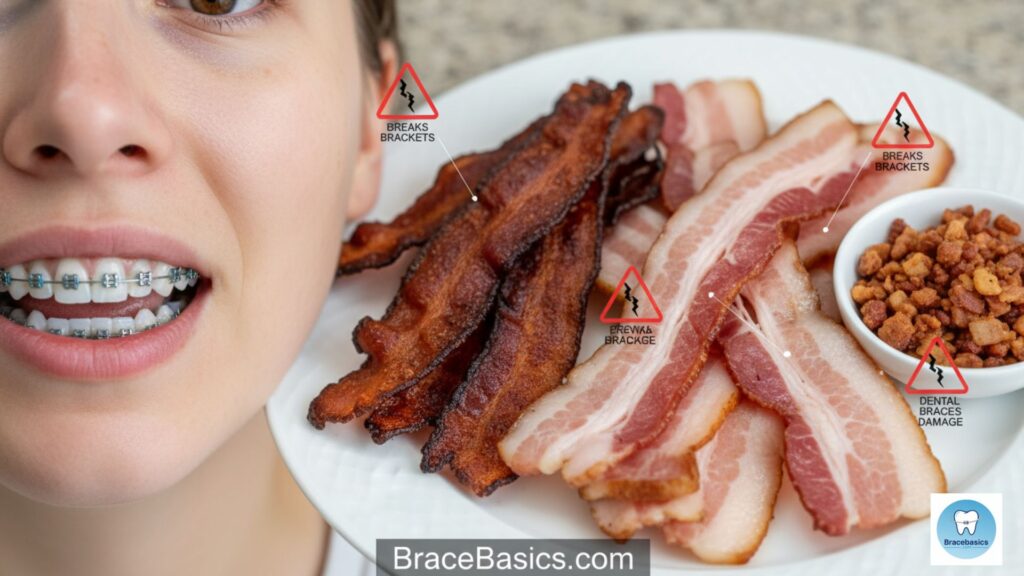
Avoid crispy or burnt bacon. Bacon bits and processed pieces are risky because they can snap or stick. Thick chewy strips and tough meats like jerky can act like bacon and damage braces. Foods combining hardness and stickiness create the highest risk for dental braces damage, food stuck in braces, and plaque buildup around brackets.
Additional Helpful Information
Turkey bacon is softer than pork and often safer for braces. Avoid bacon in the first week after adjustments to prevent stress on teeth. Moderation is key during orthodontic treatment. Signs of damage include loose brackets, bent wires, and discomfort. Call your orthodontist immediately if you notice bacon breaking brackets or any unusual problems.
Final Thoughts: Eating Bacon Safely With Braces
With care, bacon for people with braces can be enjoyed without damage. Follow tips like choosing soft bacon, chewing slowly, and cleaning after meals. Smart habits help maintain oral hygiene with braces while still enjoying favorite foods. Balance between enjoyment and braces care ensures faster treatment and a healthier smile.
Balance Between Enjoyment and Braces Care
Eating should remain enjoyable. Bacon during orthodontic treatment is safe when precautions are taken. Soft textures and mindful chewing prevent accidents and support enamel protection.
Smart Food Choices Lead to Faster Results
Choosing safe foods reduces orthodontic complications and speeds up treatment. Following these tips keeps braces intact, prevents dental braces damage, and ensures smiles stay bright and healthy.
Example Table: Bacon Type vs Braces Safety
| Bacon Type | Safety for Braces | Notes |
| Soft, tender strips | High | Best choice for chewing and minimal stress |
| Crispy bacon | Low | Risk of bacon breaking brackets |
| Thick chewy strips | Medium-Low | Requires careful chewing |
| Bacon bits | Low | Can stick and cause plaque buildup around brackets |
FAQs
Is bacon ok for braces?
Yes, bacon is ok for braces if it is soft and cooked properly. Soft bacon with braces reduces the risk of bacon breaking brackets or bacon bending braces wires. Avoid crispy, chewy, or burnt bacon, and always cut it into small pieces to chew safely.
Can I eat a bacon, egg, and cheese with braces?
Yes, you can enjoy a bacon, egg, and cheese sandwich with braces if you make it braces-friendly. Use soft bread, tender bacon for people with braces, and avoid crispy edges. Cut the sandwich into smaller bites and chew slowly with back teeth to prevent dental braces damage.
Can bacon break a bracket?
Yes, biting hard or crispy bacon can break brackets or bend wires. Crispy bacon braces damage occurs when biting applies too much chewing pressure on teeth. Soft, small pieces of bacon are safer and reduce the chance of bacon breaking brackets.
What meats can you eat with braces?
You can safely eat protein foods safe for braces, such as soft chicken, tender beef, ground turkey, eggs, and soft bacon with orthodontic braces. Avoid tough, chewy, or sticky meats that can cause dental braces damage or get food stuck in braces. Orthodontist approved foods include soft fish, cooked vegetables, and soft cheeses.
Can You Eat Turkey Bacon With Braces?
Yes, you can eat turkey bacon with braces, but it requires the same care as regular bacon. Turkey bacon is usually softer and less greasy than pork bacon, which makes it slightly safer for braces. However, crispy or thick strips can still cause bacon bending braces wires or bacon breaking brackets.
To enjoy turkey bacon safely, cook it until tender but not crunchy, cut it into small, bite-sized pieces, and chew using your back teeth only. Avoid eating it right after a braces adjustment, because tooth sensitivity after braces adjustment can make chewing uncomfortable and increase the risk of dental braces damage. After eating, make sure to clean your braces thoroughly, brushing and flossing to remove any food stuck in braces or grease.
With these precautions, turkey bacon can be part of your protein foods safe for braces, letting you enjoy breakfast without risking your orthodontic treatment.
Related Posts You May Like
Explore more helpful tips about eating and living with braces. These posts guide you on foods, snacks, and habits that keep your braces safe and your smile healthy.
Can I Eat Ice Cream With Braces?
https://bracebasics.com/can-i-eat-ice-cream-with-braces/
Can You Eat Corn With Braces?
https://bracebasics.com/can-you-eat-corn-with-braces/
Can You Eat Apples With Braces?
https://bracebasics.com/can-you-eat-apples-with-braces/
Braces-Friendly Foods
https://bracebasics.com/braces-friendly-foods/
Can You Eat Cookies With Braces?
https://bracebasics.com/can-you-eat-cookies-with-braces/
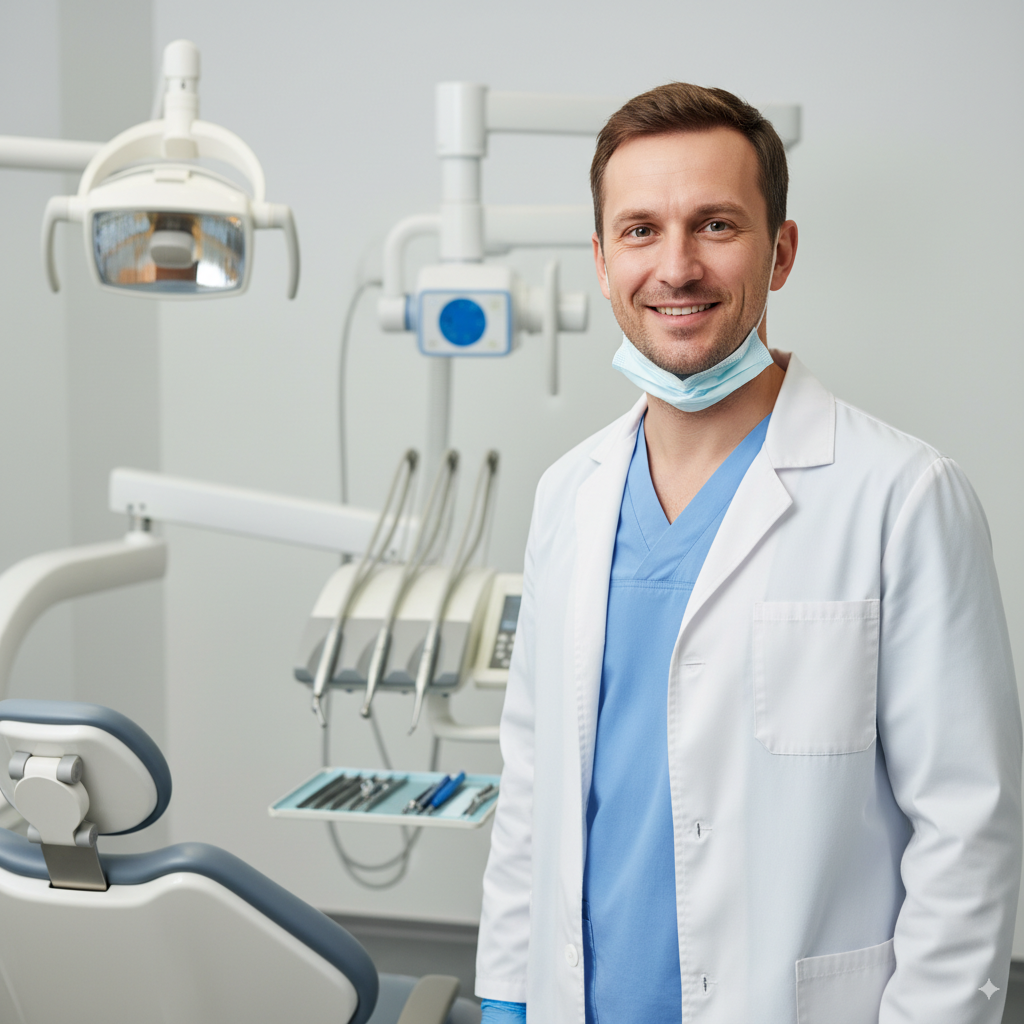
Hi, I’m Dr. Martin, the founder of BraceBasics.com. With years of experience in orthodontics, I’ve made it my mission to simplify braces care for patients of all ages. Here, you’ll find easy-to-understand advice, practical tips, and reliable resources to make your braces journey smoother, healthier, and stress-free. My goal is to help you smile with confidence every step of the way.