


Getting braces is an exciting step towards a confident and straight smile. However, many patients underestimate how much care oral hygiene for braces and small daily habits affect the final results. With the right braces tips, simple hacks can make your orthodontic treatment more comfortable, faster, and effective.
Braces are not just hardware; they are tools to correct misaligned teeth and create a perfect smile. Following the right braces care tips ensures your brackets and wires stay intact, prevents discomfort, and helps you avoid emergencies like broken wires or mouth sores and canker sores.
10 Braces Hacks Every Patient Must Know
1. Master the Right Brushing Technique
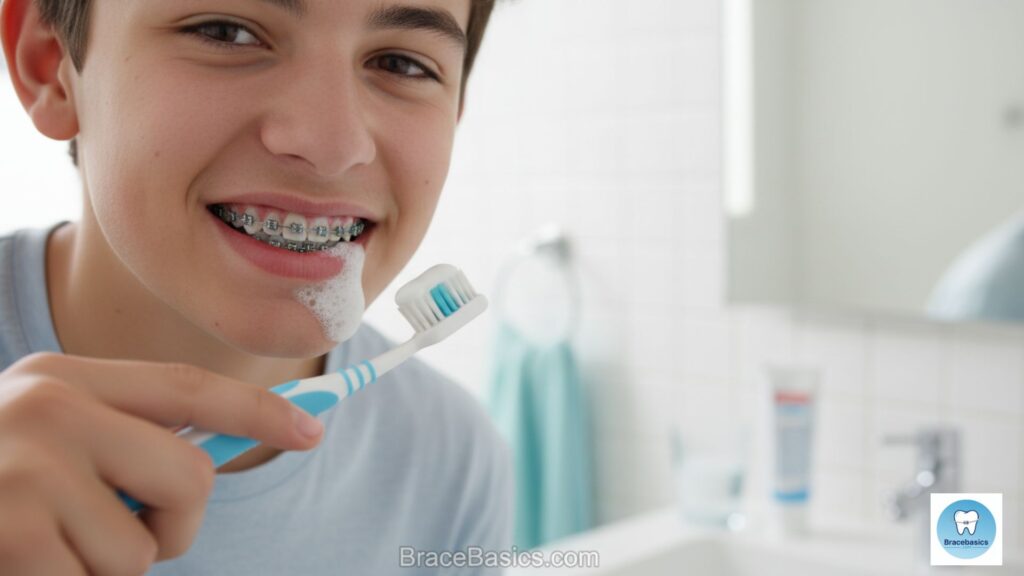
Proper brushing is the foundation of dental health with braces. Using a soft-bristle toothbrush at a 45-degree angle helps clean around brackets and wires. Brushing after every meal removes food debris and prevents plaque buildup, ensuring your straight teeth and smile stay healthy.
Braces cleaning tips include gentle circular motions and brushing for at least two minutes. Some patients combine a saltwater rinse with brushing to reduce orthodontic discomfort and soothe gums after adjustments. Maintaining this habit reduces the risk of cavities and misaligned teeth correction issues.
2. Floss Like a Pro (Even With Wires)
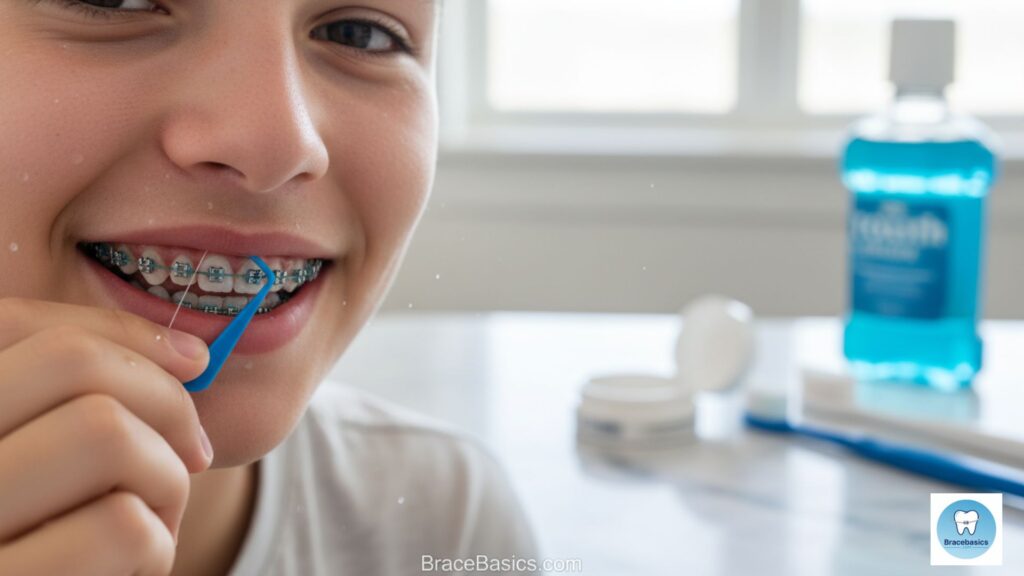
Flossing with braces can be tricky, but using orthodontic flossers or threaders simplifies the process. Daily flossing prevents food from sticking between teeth and brackets, which protects bracket and wire care and promotes long-term dental health with braces.
Many patients notice improvement in gum health and a decrease in mouth sores and canker sores after establishing a consistent flossing routine. Flossing is also crucial during orthodontist visits to ensure your orthodontic adjustments progress smoothly.
3. Invest in Special Tools
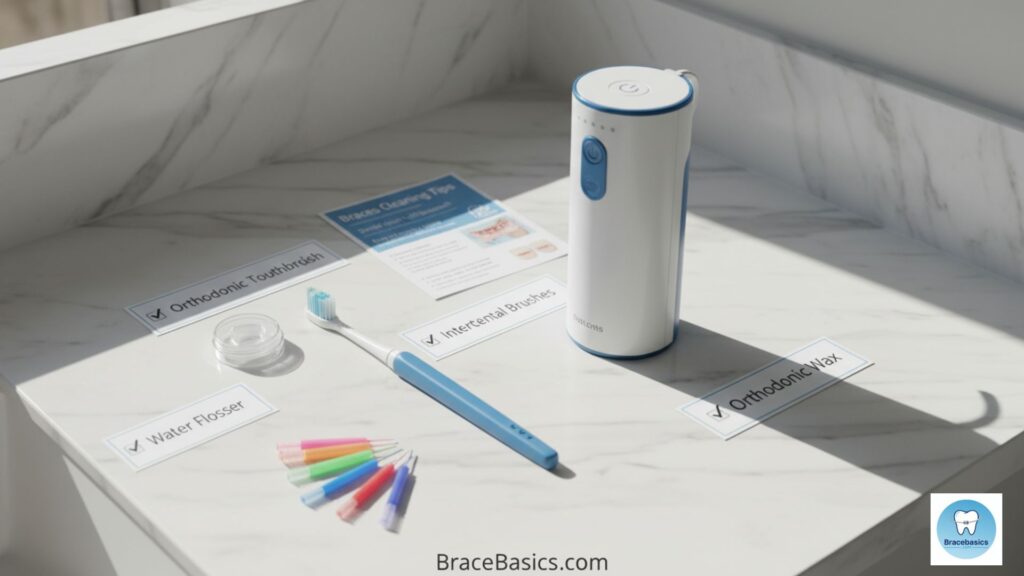
Specialized tools make braces care tips easier. Orthodontic toothbrushes with V-shaped bristles clean around wires more efficiently, while interdental brushes reach tight spaces. Water flossers provide deep cleaning for those struggling with traditional flossing.
An orthodontic emergency kit often includes these tools, plus dental wax for braces to prevent discomfort. Consistently using these tools ensures preventing broken brackets and reduces orthodontic discomfort, keeping your treatment smooth and your straight teeth and smile intact.
4. Carry a Travel Braces Kit
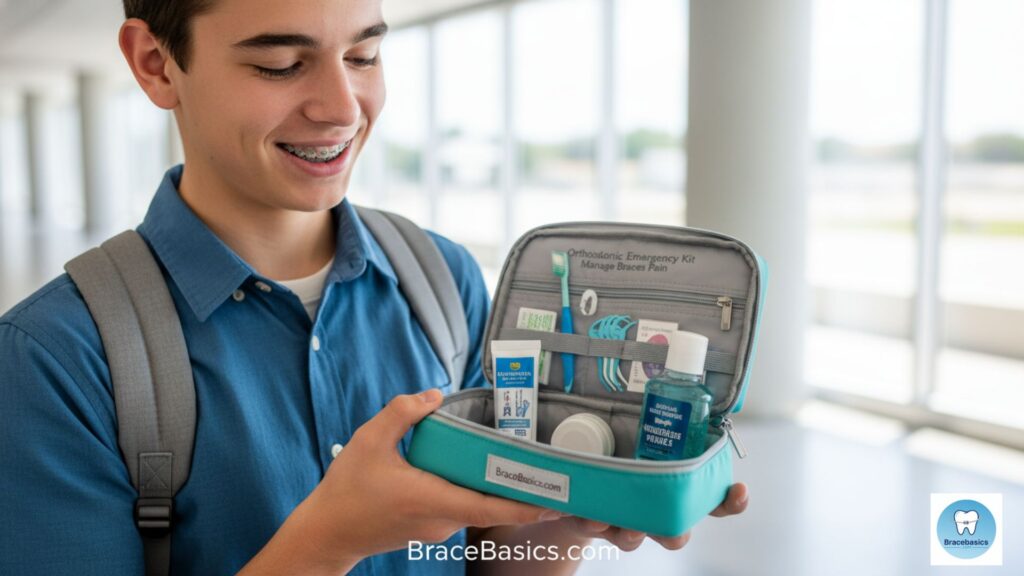
Traveling with braces requires foresight. A braces emergency solutions kit should include a toothbrush, toothpaste, dental wax for braces, floss picks, and mouthwash. Keeping these essentials handy prevents problems while away from home.
This kit also helps in how to manage braces pain and dealing with braces soreness after meals or orthodontic adjustments. Patients often carry soft foods with braces like yogurt or mashed potatoes, making soft foods for orthodontics convenient during trips.
5. Know What Foods to Avoid
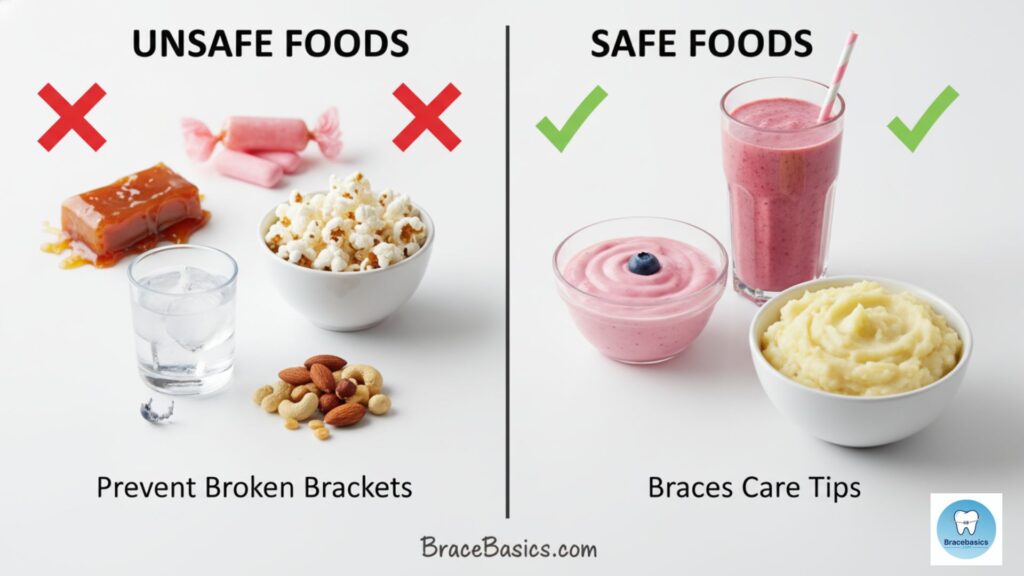
Diet affects dental health with braces significantly. Sticky sweets like caramel and gum can pull off brackets. Hard foods, including nuts, popcorn, and ice, can bend wires. Crunchy snacks increase the risk of emergencies, requiring orthodontist visits.
Avoiding these foods protects your brackets and wires while reducing orthodontic discomfort. Patients often combine this knowledge with soft foods with braces, which are safer and allow proper chewing without hurting brackets.
6. Snack Smart With Braces‑Friendly Foods

Choosing soft foods for orthodontics keeps your braces intact and minimizes pain. Options like yogurt, smoothies, soft fruits, rice, and mashed potatoes are easy to eat and maintain braces cleaning tips.
Eating gentle foods reduces orthodontic discomfort after orthodontic adjustments. It also supports dental health with braces, as softer foods are less likely to stick between wires or cause mouth sores and canker sores.
7. Rinse With Mouthwash or Water After Meals

Rinsing after meals is a simple yet effective habit for maintaining oral hygiene with braces. Using a mouthwash or plain water removes food particles that brushing alone may miss, reducing plaque buildup and improving braces cleaning tips.
This habit also helps prevent mouth sores and canker sores and supports soft foods with braces digestion. Incorporating a saltwater rinse can soothe gums after orthodontic adjustments and reduce orthodontic discomfort.
8. Use Orthodontic Wax for Comfort
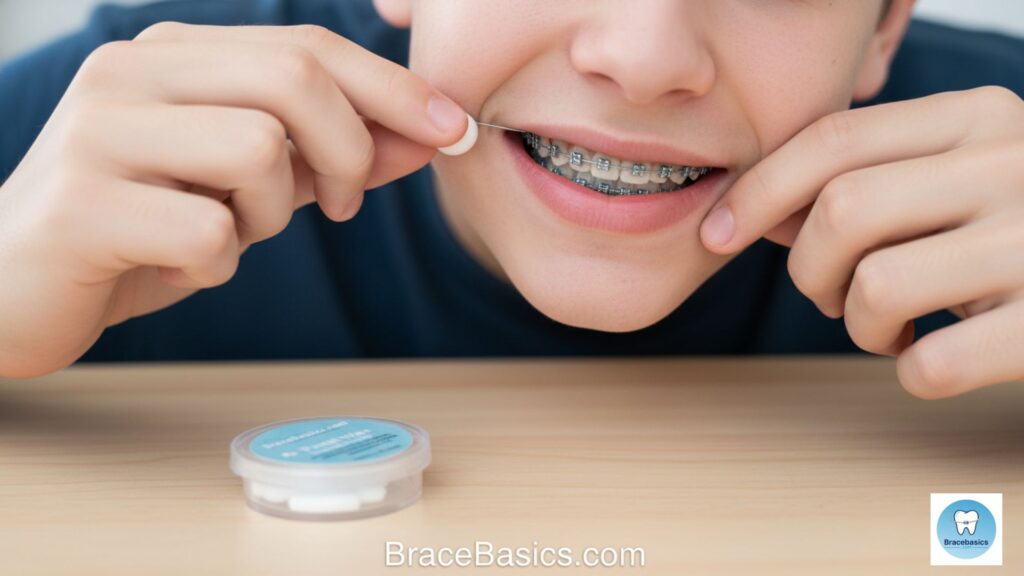
Braces wax usage is essential for anyone experiencing irritation. Placing a small piece over a wire or bracket prevents rubbing on the cheeks and gums, alleviating pain relief for braces and orthodontic discomfort.
Proper wax application helps with braces speech problems temporarily while protecting soft tissue. This simple technique reduces mouth sores and canker sores, making the braces experience more comfortable.
9. Protect Your Smile During Sports

Playing sports with braces requires protection. Wearing a mouthguard minimizes injury to teeth and prevents braces emergency solutions. Custom-fit mouthguards offer the best safety for preventing broken brackets and wires.
Athletes benefit from knowing tips for sports with braces, which include checking guard fit and avoiding contact that could harm brackets. This ensures orthodontic adjustments proceed without interruption, supporting long-term straight teeth and smile goals.
10. Stick to Check‑Ups and Don’t Ignore Issues
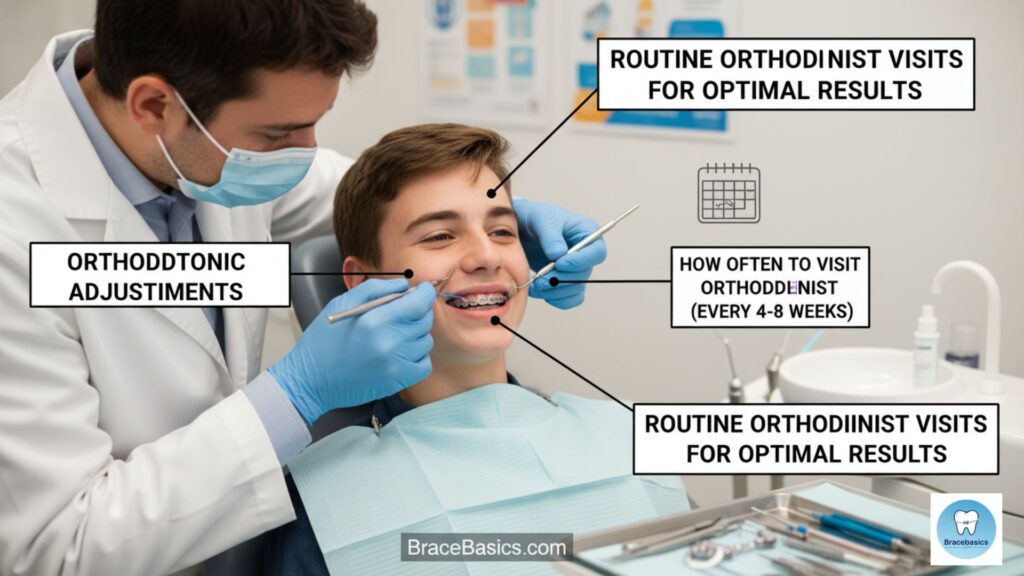
Regular orthodontist visits ensure your braces treatment duration stays on schedule. Reporting pain, loose wires, or discomfort prevents larger problems and allows timely orthodontic adjustments.
Skipping appointments increases the risk of braces emergency solutions and prolongs misaligned teeth correction. Frequent monitoring is vital to maintain dental health with braces, reduce orthodontic discomfort, and achieve the perfect smile efficiently.
Read Our Blogs on BraceBasics.com Regularly

For more braces tips and expert advice, visit BraceBasics.com frequently. The blog offers guidance on soft foods with braces, braces wax usage, and how to manage orthodontic discomfort. It is an essential resource for staying updated on braces care tips and braces emergency solutions.
Regular reading helps with adjusting to braces, maintaining dental health with braces, and learning practical how to manage braces pain strategies.
Conclusion
Braces are temporary, but your smile lasts forever. By applying these 10 braces hacks, you can protect your brackets, reduce orthodontic discomfort, and ensure misaligned teeth correction progresses smoothly. Following these braces care tips leads to healthier teeth, a safer orthodontic journey, and a confident, radiant smile.
Invest in your orthodontic treatment today with proper care, dental wax for braces, and consistent orthodontist visits to enjoy the best results from your braces.
FAQs
How often should I visit my orthodontist during treatment?
Regular orthodontist visits are essential for monitoring your progress and performing timely orthodontic adjustments. Most patients should visit every 4–6 weeks to prevent issues like loose brackets, orthodontic discomfort, or delayed misaligned teeth correction. Skipping visits can extend your braces treatment duration.
What foods can I eat safely with braces?
Soft foods with braces like yogurt, smoothies, soft fruits, rice, pasta, and mashed potatoes are ideal. Avoid sticky or hard foods to prevent damage to brackets and wires. Following soft foods for orthodontics helps maintain bracket and wire care and reduces orthodontic discomfort.
How can I relieve braces pain or soreness at home?
Pain relief for braces can be achieved using dental wax for braces on irritating wires, rinsing with warm saltwater, and eating soft foods with braces. Over-the-counter pain medication is safe for short-term relief. Consistent braces care tips and orthodontic flossers use also reduce mouth sores and canker sores.
What should I include in a braces emergency kit?
An orthodontic emergency kit should include dental wax for braces, orthodontic flossers, small scissors, a toothbrush, and toothpaste. These items help with braces emergency solutions, preventing broken brackets, and managing orthodontic discomfort before your next orthodontist visit.
How do I maintain oral hygiene with braces?
Maintaining oral hygiene with braces involves brushing after every meal, using orthodontic flossers, rinsing with water or mouthwash, and applying dental wax for braces when needed. Following these braces cleaning tips ensures a healthy smile, prevents mouth sores and canker sores, and keeps your straight teeth and smile on track.
Related Posts
For more helpful braces tips and guidance on making your orthodontic journey easier, check out these related articles from BraceBasics.com:
How to Exercise With Braces – Learn how to stay active safely while wearing braces and protect your bracket and wire care during workouts.
How to Go to School With Braces – Essential tips for students on managing orthodontic discomfort, soft foods with braces, and maintaining oral hygiene for braces throughout the school day.
How to Eat at Restaurants With Braces – Discover practical strategies for enjoying meals out without risking broken brackets or mouth sores and canker sores.
How to Sleep With Braces Without Pain – Expert advice on preventing orthodontic discomfort and braces soreness overnight using dental wax for braces and sleep-friendly positions.
How to Smile With Braces – Boost confidence during your orthodontic treatment and learn tips to manage braces speech problems and show your straight teeth and smile proudly.
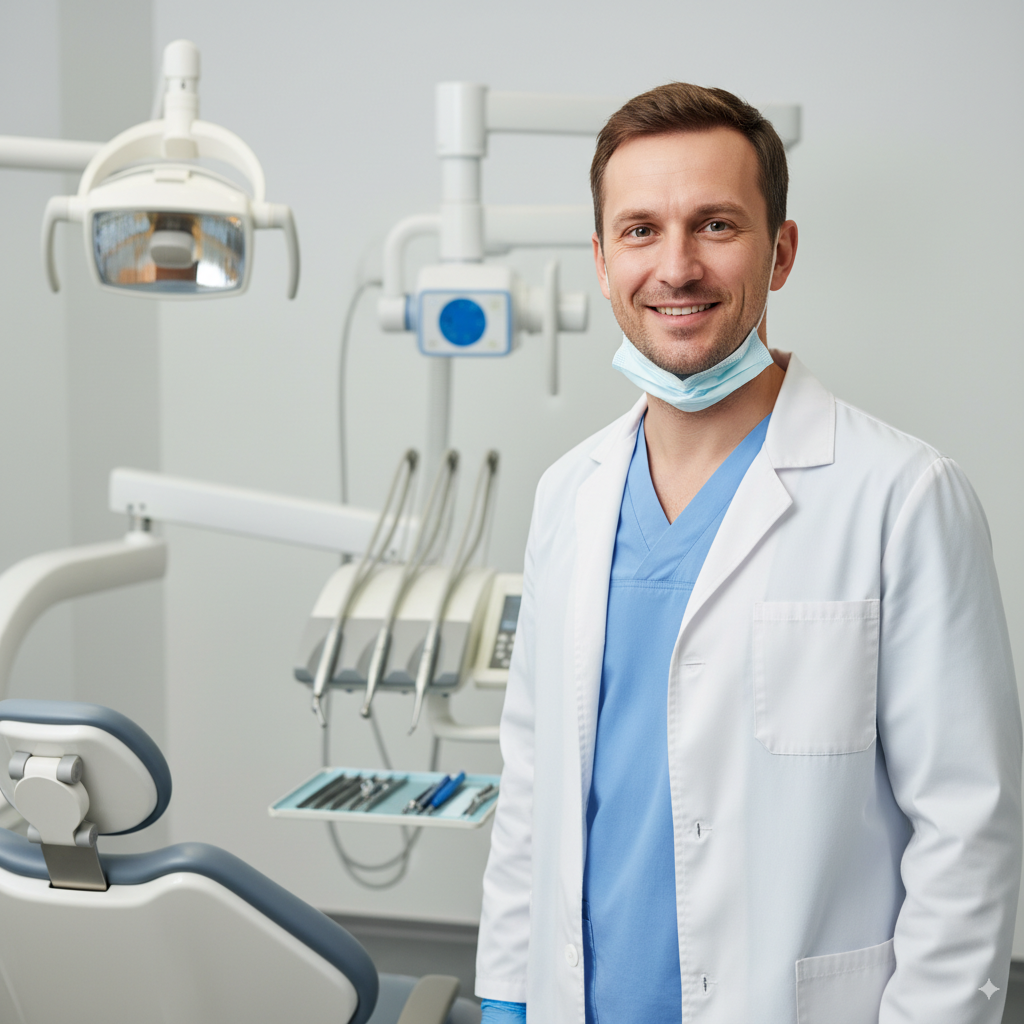
Hi, I’m Dr. Martin, the founder of BraceBasics.com. With years of experience in orthodontics, I’ve made it my mission to simplify braces care for patients of all ages. Here, you’ll find easy-to-understand advice, practical tips, and reliable resources to make your braces journey smoother, healthier, and stress-free. My goal is to help you smile with confidence every step of the way.