


Sleeping with braces often feels uncomfortable during the first few weeks because your teeth begin shifting the moment orthodontic pressure starts working. This early movement creates tenderness that becomes stronger at night when your mouth relaxes and every sensation feels sharper. Many people also notice braces rubbing cheeks and mild swelling that makes lying down slightly irritating.
A peaceful night is absolutely possible when you follow simple, science-based methods that calm nerves and soothe soft tissues. These nighttime strategies support healing, reduce soreness, and help you enjoy consistent rest while adjusting to your new smile. Every tip in this guide improves overall comfort, lowers inflammation, and prevents unnecessary irritation.
Why Does Sleeping With Braces Hurt at Night?
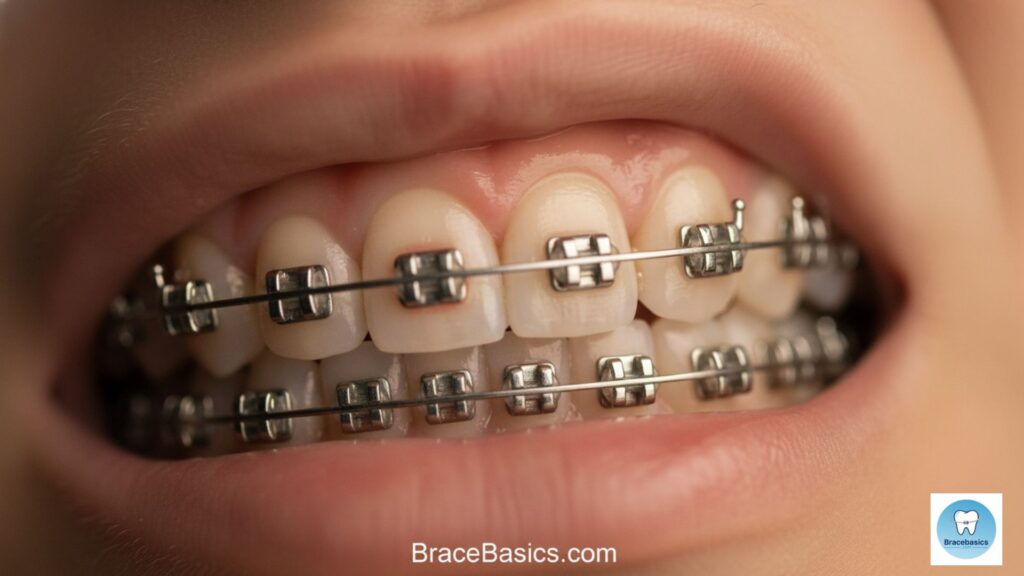
Braces increase pressure across your teeth and supporting tissues as wires guide your dental arches into alignment. This pressure becomes more noticeable at night because your body focuses less on daily activities and more on internal sensations. That is why many patients experience braces comfort at night challenges during the first stage of treatment.
Nighttime tooth movement also activates gum fibers that stretch and tighten around teeth. These fibers naturally create sensitivity as they adapt to new positions. Soft tissues like cheeks and lips may brush against brackets, especially when lying sideways, which often leads to cheek irritation from brackets, inflammation, and tenderness along the gums.
How to Sleep With Braces Without Pain: 11 Amazing Tips

Here are the best nighttime strategies that help sleeping with braces without pain feel easier and calmer for your mouth.
1. Keep Your Teeth and Gums Clean
Cleaning braces before bed removes food that gets trapped around brackets and wires. This simple habit reduces irritation and controls bacteria that inflame gum tissue. Many patients who struggle with braces and gum soreness find that a cleaner mouth stays calmer at night because debris cannot irritate swollen areas or cause infections.
2. Try Sleeping on Your Back
Sleeping on your back minimizes facial pressure and reduces contact between your cheeks and brackets. This best sleeping position with braces also decreases friction along sensitive areas that are trying to heal. Patients who ask does sleeping on back help with braces pain usually
3. Use Orthodontic Wax Before Bed
Orthodontic wax creates a soft barrier over sharp brackets and wire ends. It prevents irritation and helps you avoid cuts that cause more swelling. This wax for braces irritation at night is especially helpful if you grind your teeth or if your braces are new and your cheeks need extra protection.
4. Use Tylenol if You Have To
Some nights feel tougher because teeth move more aggressively during certain stages of treatment. Tylenol is a safe choice for over-the-counter pain relief for braces and works well before bed. It calms inflammation that often makes reduce braces discomfort at night feel difficult.
5. Wear a Nightguard if You Grind Your Teeth
Teeth grinding increases pressure on brackets and wires. A nightguard provides cushioning for patients experiencing sleep bruxism and braces issues. This softer barrier reduces tension on your jaw, protects enamel, and keeps your braces from causing more intense soreness.
6. Rinse With Warm Salt Water
A warm saltwater rinse for braces soothes swollen gums and heals minor cuts created by friction. Many patients rely on this method because salt naturally reduces inflammation and brings down sensitivity. The warm temperature relaxes irritated tissues that become tender at night.
7. Apply a Cold Compress Before Sleep
A cold compress slows blood flow in sensitive areas, lowering soreness and helping with swelling. This cold compress for swelling method calms cheek tenderness and reduces pulsing discomfort that can appear after a long day of wearing your orthodontic appliances.
8. Elevate Your Head With an Extra Pillow
Sleeping with your head slightly raised reduces inflammatory pressure inside your gums. This position improves nighttime comfort and makes sleeping with orthodontic appliances feel less intense because blood does not rush toward irritated tissues.
9. Stick to Soft Nighttime Snacks
Soft foods such as yogurt, mashed fruits, or puddings ease tension on teeth before bedtime. Eating these options prevents additional bracket irritation and keeps tissues calm. Many patients choose soft foods for braces because crunchy items trigger more nighttime soreness.
10. Avoid Sleeping Face-Down or Sideways
Side and stomach sleeping push your cheeks into your brackets which worsens tenderness. Shifting to back-sleeping helps if you struggle with how to stop braces rubbing cheeks or persistent inflammation around irritated tissues.
11. Follow a Consistent Bedtime Routine
A regular nighttime routine helps your body relax and lowers muscle tension. Sticking to this orthodontic routine at night reduces sensitivity and helps your brain adjust to braces as a normal part of sleep rather than a source of discomfort.
How Can I Sleep Comfortably With Braces?
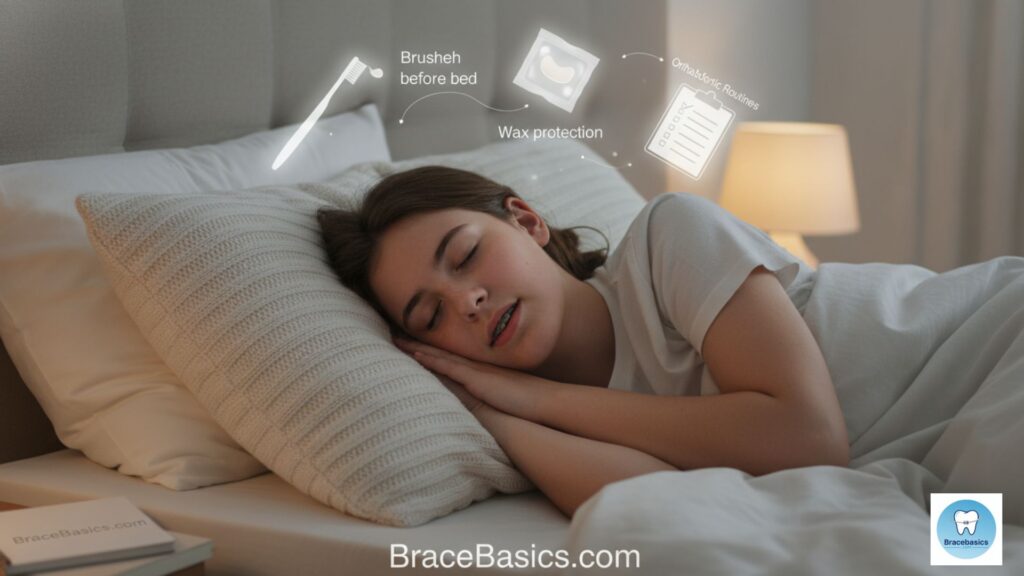
Comfort improves when you blend good cleaning habits with proper sleeping posture and smart pain-control techniques. Many patients notice better sleep when they use wax, rinse with warm salt water, and focus on reduce braces discomfort at night strategies just before bed. These methods help the mouth stay calm even during active tooth movement.
Short-term comfort comes from reducing irritation while long-term comfort grows as your teeth settle into straighter positions. As weeks pass your tissues toughen and your bite becomes more stable which naturally lowers soreness. This gradual improvement is why most patients eventually stop feeling nighttime discomfort altogether.
Best Sleeping Positions With Braces
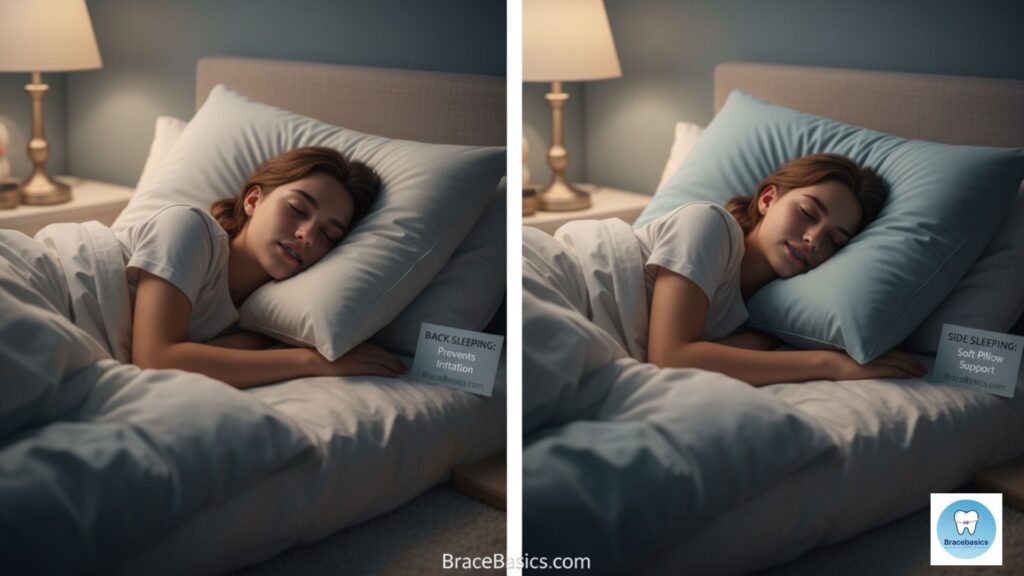
Stay on Your Back
Back-sleeping protects your cheeks from bracket friction and reduces pressure on swollen areas. Many orthodontists recommend this braces sleeping position because it prevents unnecessary irritation while letting your tissues heal quietly through the night.
If You Must Sleep on Your Side
Side-sleepers should use a softer pillow that molds around the face. This reduces cheek pressure and stops brackets from pressing too deeply into sensitive tissues. It is a helpful adaptation when back-sleeping feels challenging during early treatment.
Sleeping After Getting Braces (What to Expect)
The first three nights feel the strongest because teeth begin shifting aggressively during initial wire activation. This creates tension along your gums and makes why braces cause soreness more noticeable when lying down. Patients often wake up with slight tenderness during this early adjustment period.
Pressure tends to peak at night because your muscles relax which allows the orthodontic forces to work more directly. Soft tissues inside the cheeks and lips also need time to adapt which explains why inflammation from braces feels stronger during the first week.
Should I Expect Pain With Braces at Night?
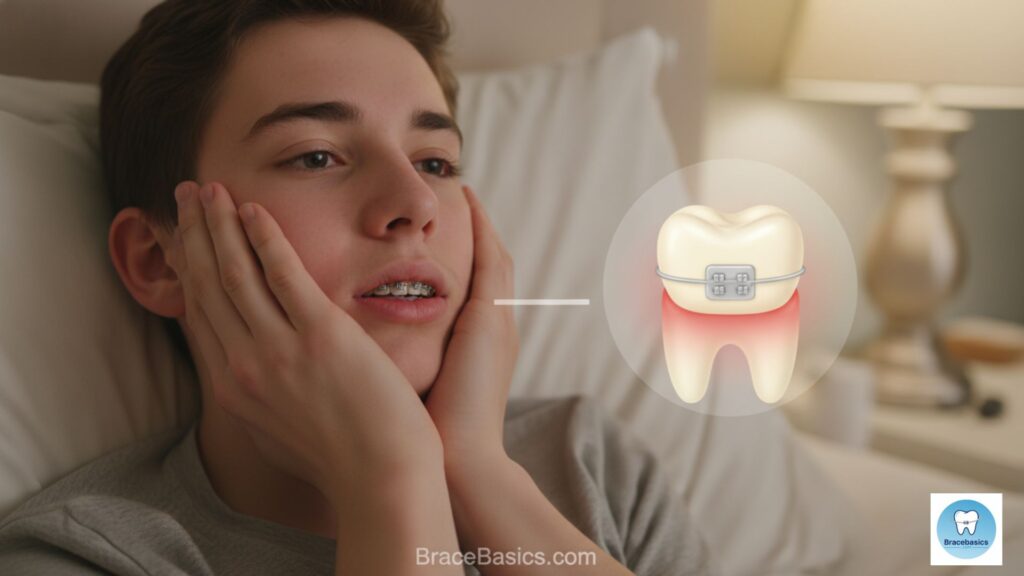
Mild discomfort is normal because orthodontic pressure encourages tooth movement. Many patients experience tenderness during the early phase when bones and ligaments remodel. This sensation does not mean something is wrong; it simply signals progress in your treatment.
However certain signs require orthodontic attention such as pain that lasts longer than expected, strong swelling, or difficulty sleeping due to intense irritation. These issues may indicate a loose wire, bracket problem, or abnormal pressure pattern that needs correction.
Navigating Minor Discomfort in Orthodontics
Most nighttime pain comes from natural inflammation that occurs during tooth movement. This discomfort fades as the body adapts. Many patients use warm foods, relaxing routines, and specific rinses to manage mild tension. These orthodontic pain management tips calm tissues and support healing.
Warm salt water, gentle brushing, and well-timed wax placement offer quick relief for irritated spots. These orthodontic remedies for irritation help tender cheeks recover faster and reduce friction that causes nightly soreness.
How Orthodontic Treatment Can Actually Help You Sleep Better
Orthodontics supports airway improvement, muscle relaxation, and bite correction which all enhance sleep quality. As your teeth align your jaw posture improves and air passages become less restricted. Many patients notice easier breathing and fewer nighttime disruptions.
Modern treatments including braces and clear aligners create wider arches and better airflow. These structural changes support oxygen movement and reduce the strain associated with narrow arches or crowded teeth.
Improving Airway Structures
Braces and dental arch expansion widen the upper jaw which opens the nasal airway. This improves airflow and reduces nighttime breathing problems.
Your Teeth Are Connected to Your Health
Better bite alignment correction relaxes jaw muscles and supports healthier sleep patterns. This reduces grinding episodes and tension around the jaw.
Sleep Bruxism
Correct alignment decreases grinding intensity over time and supports sleep bruxism treatment with braces by improving overall bite stability.
Preventing Further Issues
When teeth sit correctly jaw tension reduces and patients experience fewer TMJ and braces complications which often disturb sleep.
Long-Term Discomfort From Misalignment
Misaligned teeth strain muscles which causes long term sleep problems. Straightening your teeth eliminates these hidden pressure points.
Keeping Your Routine in Check
A steady routine makes nights more comfortable. Cleaning your braces, applying wax where needed, and using warm rinses create predictable comfort signals that help your mouth relax. This nighttime braces care routine forms the foundation of a calmer sleep cycle.
These habits support healthier gums, reduce inflammation, and stop irritation before it begins. Patients who stay consistent usually experience faster relief and fewer episodes of nighttime soreness.
When to Call Your Orthodontist
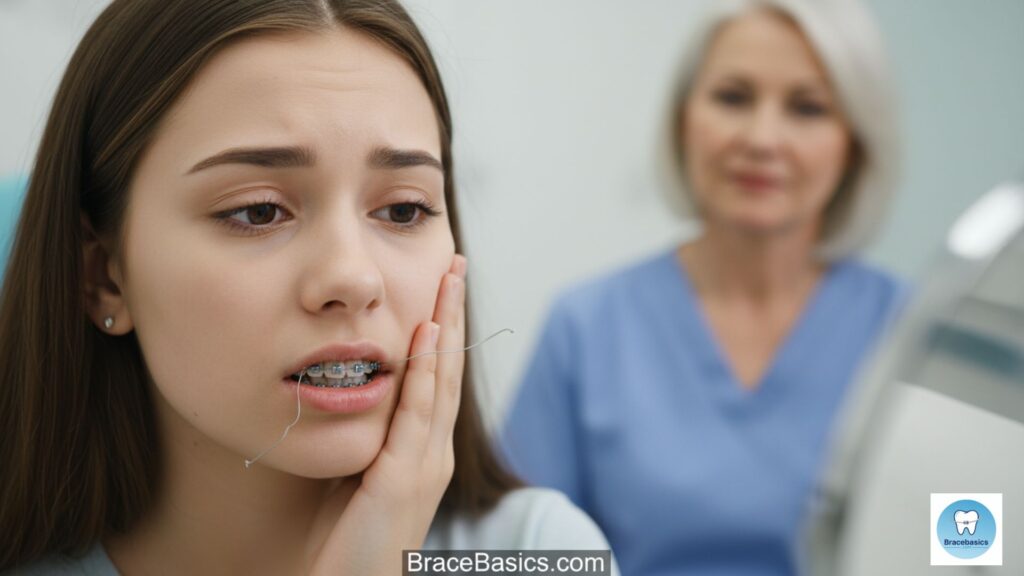
Certain situations require professional help such as wire pokes that make bracket irritation solutions ineffective or broken brackets that disrupt tooth movement. Pain that lasts more than four or five days may also indicate a deeper issue.
Swelling or infection must be treated quickly because bacteria can spread beneath the gums. Proper orthodontic assessment ensures your treatment continues safely and comfortably without unnecessary complications.
Conclusion
Braces often create temporary nighttime discomfort but patience and the right methods bring fast relief. These techniques help you adapt and enjoy better rest as your mouth strengthens and reshapes. A consistent routine offers steady comfort while your teeth move into a healthier, more aligned position. Over time the tenderness fades and sleep becomes easier which lets you enjoy the long-term benefits of a confident and well-aligned smile.
FAQs
How to sleep when your braces hurt?
When your braces hurt, finding a comfortable sleeping position is key. Start by lying on your back to avoid cheeks pressing against brackets, which reduces friction and tenderness. Applying orthodontic wax for pain on sharp edges or wires can protect soft tissues. Rinsing with a saltwater rinse for braces before bed soothes gums and decreases inflammation. Using a cold compress for swelling on the outside of your cheeks for 10–15 minutes can numb soreness. If discomfort is strong, an over-the-counter pain relief for braces soreness like acetaminophen or ibuprofen about an hour before sleep can help. Maintaining a nighttime braces care routine keeps teeth and gums clean, which further reduces irritation and allows tissues to heal comfortably overnight.
What’s the prettiest braces color?
The prettiest braces color is a personal choice, but many patients prefer colors that either stand out or complement their smile. Light colors such as pink, sky blue, or lavender create a bright, cheerful look, while metallic silver or gold brackets give a classic, polished appearance. Darker colors like navy or purple make teeth appear whiter. Some teens mix and match shades to create patterns that match school colors, holidays, or personal style. Transparent or pastel elastics are also popular because they are subtle yet elegant. Choosing colors is a fun way to express personality while maintaining braces comfort at night, as the color does not affect oral health or sleep.
Can I sleep on the side with braces?
Sleeping on your side is possible, but it can increase braces rubbing cheeks and irritation on soft tissues. To reduce discomfort, use a soft, supportive pillow to cushion your face and avoid pressing directly against brackets. Side-sleepers should consider applying orthodontic wax for pain on sharp edges and ensuring teeth are thoroughly cleaned before bed. If you experience inflammation from braces or cheek irritation frequently, switching to back sleeping for braces is safer. Side sleeping can be used occasionally with proper support, but consistent back-sleeping usually provides the best comfort and reduces nighttime soreness.
How to sleep comfortably with a brace?
Sleeping comfortably with braces requires combining proper position, nightly care, and protective measures. Start with back sleeping for braces, elevate your head with an extra pillow, and use a nightguard for bruxism if you grind your teeth. Protect soft tissues with orthodontic wax for pain, and rinse your mouth with a saltwater rinse for braces to reduce swelling. Eating soft foods for braces before bed reduces pressure on brackets. Maintaining a consistent orthodontic routine at night, including thorough brushing and flossing, minimizes irritation. Using these strategies together ensures you can sleep peacefully while reducing braces discomfort at night and promoting faster healing.
References
American Association of Orthodontists (AAO)
Braces discomfort, nighttime soreness, and orthodontic pain guidance:
https://www.aaoinfo.org
Mayo Clinic – Orthodontics & Dental Health
Braces pain, gum sensitivity, and inflammation information:
https://www.mayoclinic.org/healthy-lifestyle/adult-health/in-depth/braces/art-20047458
Cleveland Clinic – Oral Health Library
Saltwater rinse, TMJ, cheek irritation, and sleep bruxism details:
https://my.clevelandclinic.org/health/treatments/17872-dental-braces
Colgate Oral Care Center
Brushing with braces, wax protection, and nighttime cleaning routine:
https://www.colgate.com/en-us/oral-health/braces
WebMD – Orthodontic Pain & Sleep Health
Braces soreness, breathing issues, and airway-related sleep problems:
https://www.webmd.com/oral-health/guide/braces-and-retainers
National Institutes of Health (NIH) – PubMed Studies
Dental arch expansion, bite correction, and sleep bruxism research:
https://pubmed.ncbi.nlm.nih.gov
American Dental Association (ADA)
Soft foods for braces, cold compress, and safe pain relievers:
https://www.mouthhealthy.org/all-topics/braces
Sleep Foundation – Sleep Health & Pain Disorders
Sleeping positions, back-sleeping, and nighttime discomfort facts:
https://www.sleepfoundation.org
Related Posts
1. How Long Does the Soreness of Braces Last?
URL: https://bracebasics.com/how-long-does-the-soreness-of-braces-last/
Why add it:
You talk about night pain and discomfort. This link fits perfectly with “pain timeline”, “initial soreness”, and “sleep discomfort.”
2. How Long Does It Take to Get Used to Braces?
URL: https://bracebasics.com/how-long-does-it-take-to-get-used-to-braces/
Why add it:
Your readers want to know when sleep becomes easy again. This article explains the adjustment phase.
3. What to Eat With Braces the First Week
URL: https://bracebasics.com/what-to-eat-with-braces-the-first-week/
Why add it:
Soft foods = less pain = better sleep.
4. How to Talk Clearly With Braces
URL: https://bracebasics.com/how-to-talk-clearly-with-braces/
Why add it:
Since speaking discomfort and mouth irritation also affect nighttime comfort, this link is a natural fit.
5. Good Toothpaste for Braces
URL: https://bracebasics.com/good-toothpaste-for-braces/
Why add it:
Better oral hygiene = less irritation at night.
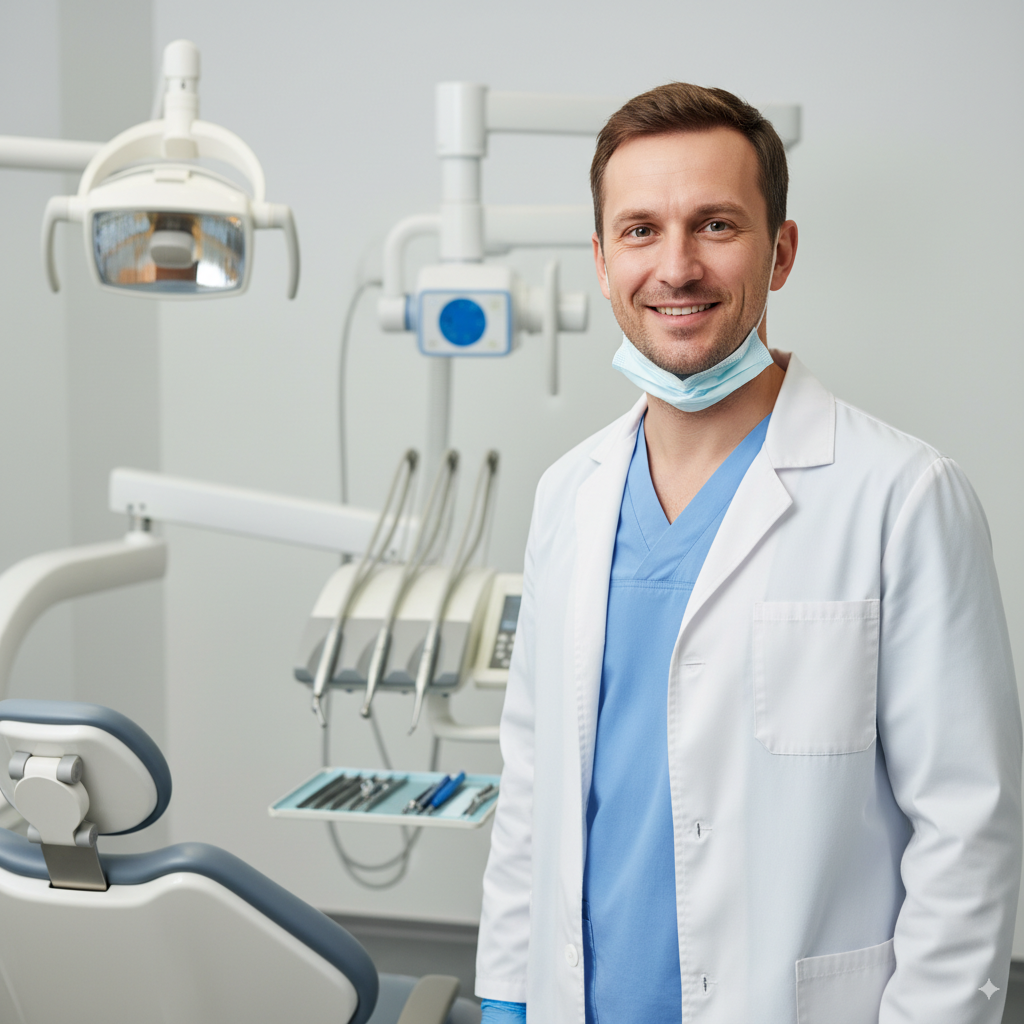
Hi, I’m Dr. Martin, the founder of BraceBasics.com. With years of experience in orthodontics, I’ve made it my mission to simplify braces care for patients of all ages. Here, you’ll find easy-to-understand advice, practical tips, and reliable resources to make your braces journey smoother, healthier, and stress-free. My goal is to help you smile with confidence every step of the way.