

Talking with braces feels strange at first, but your mouth adapts quickly. Many patients worry about how to talk clearly with braces, yet most people adjust in a few days. The tongue needs time to learn a new path around brackets. The good news is your speech will improve faster than you expect. You only need patience, practice, and the right techniques. This guide helps USA readers understand changes and learn expert dentist-approved ways to speak confidently again. You will also discover seven proven steps that fix clarity problems fast.
Why Braces Affect Speech
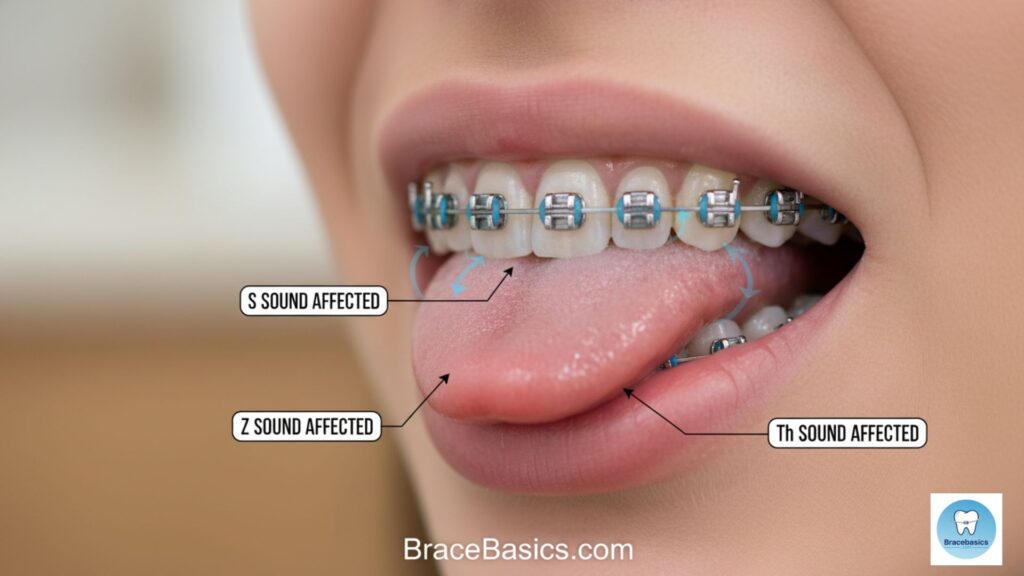
Braces change how the tongue moves across your teeth, so early speech feels different. The tongue touches brackets instead of smooth enamel, which affects speech changes from braces and creates slight friction when forming sounds. This is why the first week brings difficulty with “S,” “Z,” “Sh,” and “Th.” Your body also reacts by producing more saliva, which causes muffled words during the braces adjustment period. The mouth slowly adapts to these foreign objects and stabilizes after three to seven days.
Teens adapt faster because their muscles learn new patterns more quickly. Adults may need extra practice because their tongue habits are older and harder to change. American orthodontic care standards show that improvement usually begins by the end of week one. Braces simply train your mouth, and the learning curve becomes easier with time.
How Braces Change Your Speech (Scientifically Explained)
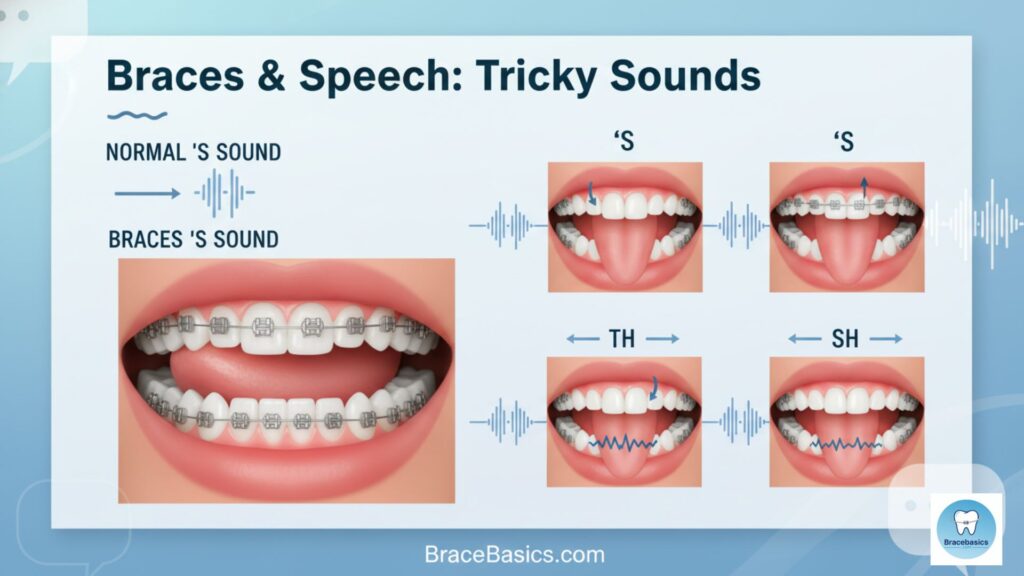
Which Sounds Are Trickiest With Braces?
The hardest sounds are “S,” “Z,” “T,” “D,” “Sh,” “Ch,” “Th,” “R,” and “L.” These consonants need exact tongue placement and smooth airflow. When brackets shift that pathway, the tongue hits metal rather than enamel, so air escapes differently. This changes braces impact on pronunciation and makes words sound unclear. These problems are normal and temporary as your tongue learns new routes around your braces.
Braces & Speech: What Happens in the First Week?
The first week brings a small lisp, slight whistling, and uneven airflow because your tongue feels crowded. Cheeks feel tender, so pressure hurts during pronunciation. Many patients also face a dry mouth braces problem or the opposite, excess saliva. Both conditions reduce clarity. These early changes are not signs of trouble. They show your mouth is adapting.
Will Speech Changes Last a Long Time?
Speech changes rarely last long. Most USA orthodontic patients notice improvement in three to ten days. Temporary speech issues braces fade as muscle memory forms. The brain adjusts tongue movements, and clarity returns naturally. If problems last more than a month, orthodontists recommend professional evaluation.
Does the Type of Braces Matter?
Metal braces cause mild changes. Ceramic braces feel similar but slightly smoother. Lingual braces affect speech the most because they sit behind the teeth and disrupt tongue space. Clear aligners create the least change because they allow natural tooth contact. Each option affects tongue and lip movement braces differently, but all improve with practice.
7 Proven Tips to Speak Clearly With Braces
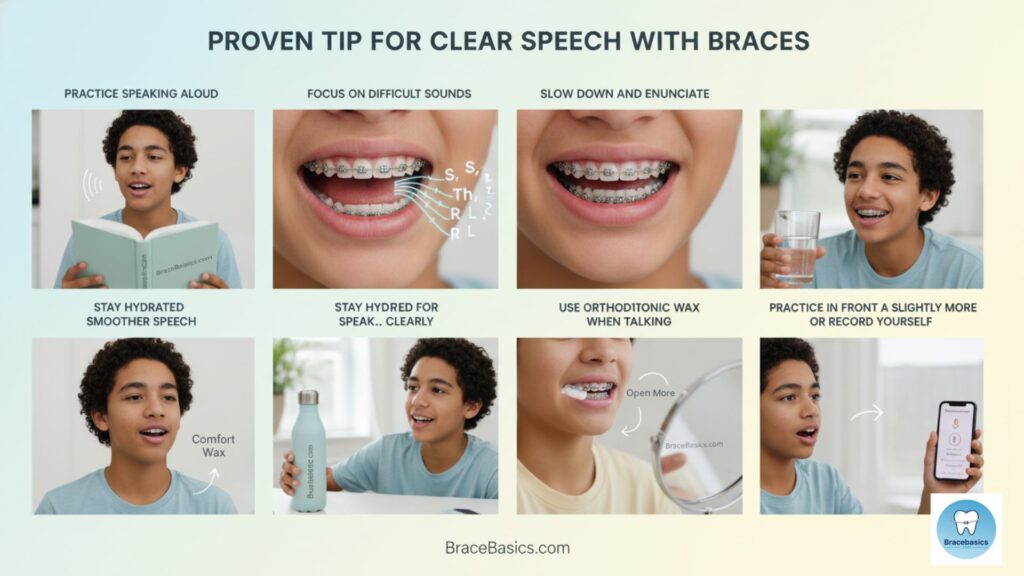
1. Practice Speaking Aloud
Reading aloud resets tongue pathways and strengthens articulation. Your mouth learns faster when you read slow sentences from books, scripts, or articles. Singing also stretches vowels and helps develop clear speech with braces. This is the simplest way to overcome early mistakes.
2. Focus on Difficult Sounds
“S,” “Z,” “Th,” “R,” and “L” need extra work. Repeating these sounds builds new habits and improves clarity. You can try practice speaking with braces exercises that target difficult sounds braces “s” “sh” “ch”. These drills strengthen accuracy and speed.
3. Slow Down and Enunciate
Slowing down helps your tongue learn proper movement. Rushing makes mistakes common because your tongue cannot follow its usual route. Good pacing improves clarity and builds speech confidence with braces. This simple change reduces errors immediately.
4. Stay Hydrated for Smoother Speech
Dry mouth changes airflow and makes words stick together. Drinking water improves articulation and supports hydration for speech clarity. USA hydration guidelines show steady water intake keeps your mouth moist and flexible throughout the day. Moisture improves pronunciation instantly.
5. Use Orthodontic Wax for Comfort
Wax creates a smooth surface that protects your cheeks from brackets. This reduces friction and pain, leading to better clarity. It supports braces discomfort relief because it prevents irritation that affects speech. You can reapply wax during the day for extra comfort.
6. Open Your Mouth Slightly More When Talking
A wider mouth allows smoother airflow and clearer consonants. This open mouth speaking technique gives your tongue more space to move. It improves phrasing and reduces pressure on sensitive braces areas. Many orthodontists teach this method for faster clarity.
7. Practice in Front of a Mirror or Record Yourself
Watching and hearing yourself build awareness. Mirror practice helps adjust mouth positioning for speech. Recording your voice supports recording speech for practice, which shows improvement daily. American speech therapists use this tool because it helps correct mistakes quickly.
Practice Makes Perfect: Daily Speech Exercises
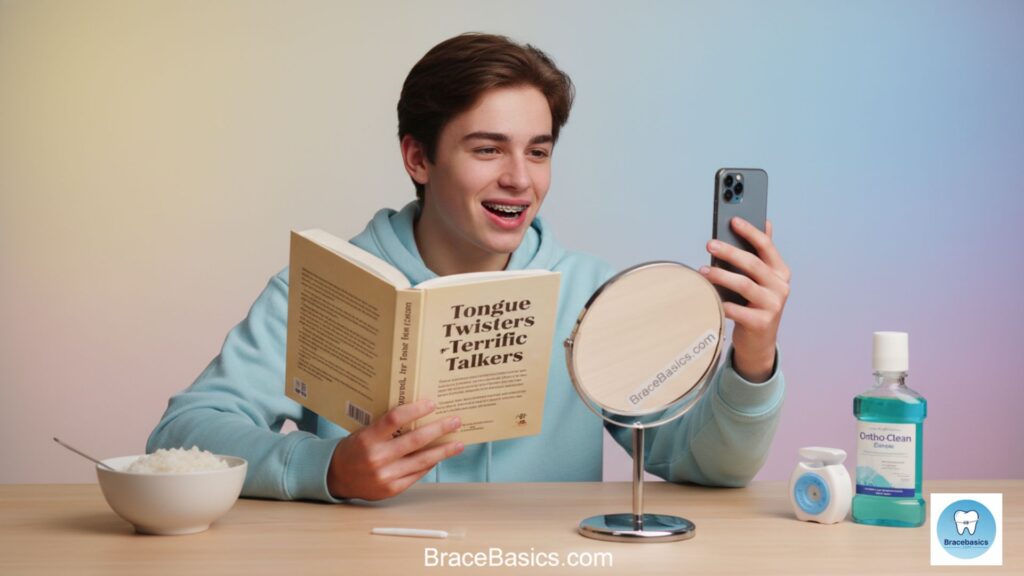
Daily reading aloud for ten to fifteen minutes improves fluency. Choose simple American stories or articles to keep practice fun. This routine forms strong muscle memory and strengthens articulation exercises braces patterns.
Tongue twisters help slow sounds and improve precision. When said slowly, they force strong articulation and build accuracy for tongue twisters for braces. Singing also trains smooth airflow and vocal strength. USA apps with voice-recording features track progress and motivate improvement.
Comfort Matters: Reduce Irritation to Speak Better
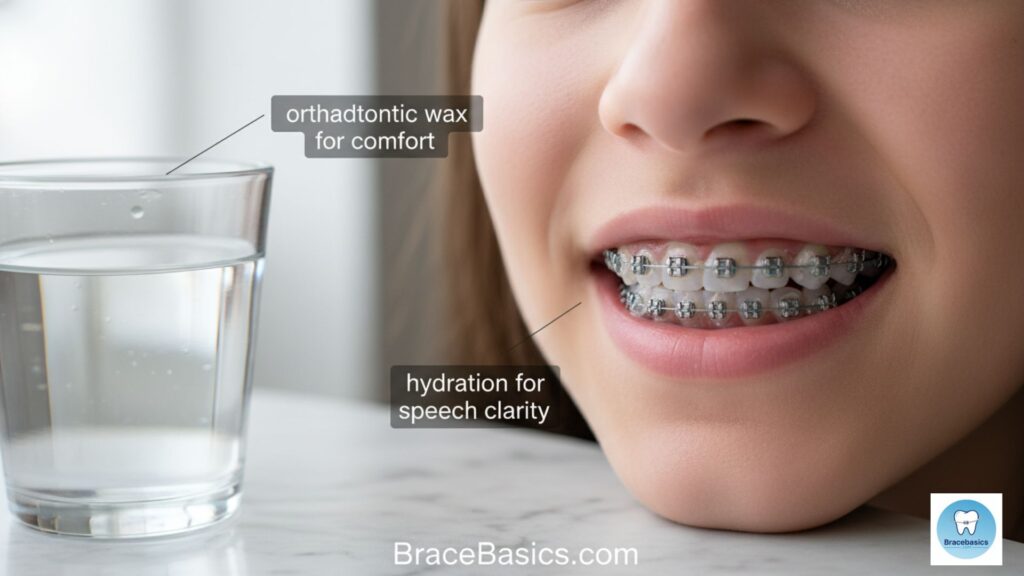
Orthodontic wax works like a shield between your braces and cheeks. It protects soft skin and prevents soreness that harms clarity. You can reapply wax anytime discomfort returns because it supports orthodontic wax for comfort.
Staying hydrated keeps your mouth cool and moist. It fights irritation and prevents dry mouth affects speaking problems. Checking for loose brackets or sharp wires is also important. Sharp edges change movement and create speech distortion. Orthodontists fix these issues quickly.
Navigating Real-Life Conversations
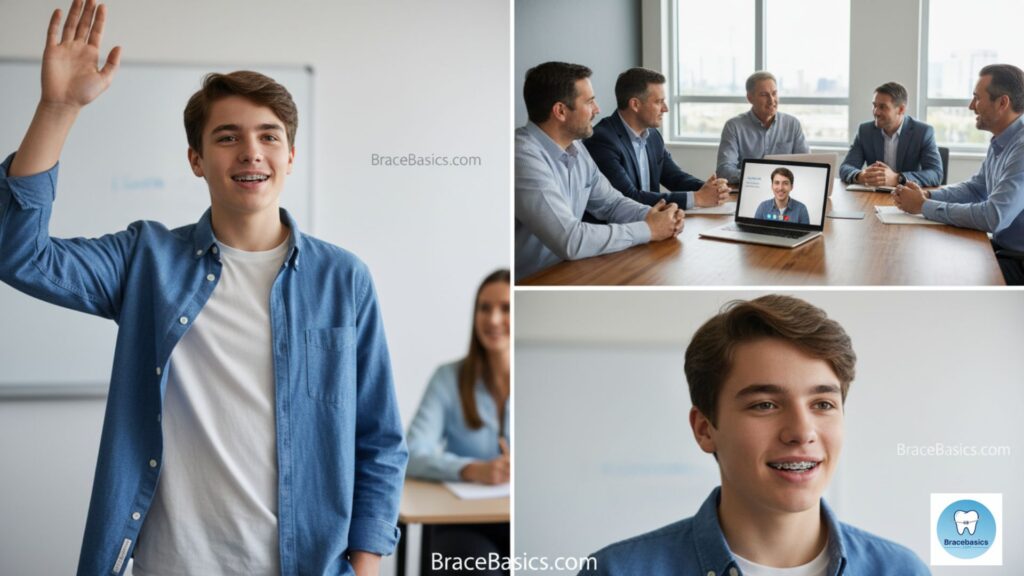
Work meetings feel easier when you speak slowly and pause between phrases. Presentations become simple when you focus on proper enunciation with braces and maintain calm breathing. Clear words come naturally with good posture and confidence.
Family gatherings and social events become easier as habits improve. Public speaking also feels normal after the first week. Phone calls and video meetings need extra clarity because microphones exaggerate sounds. Slowing pace helps.
Different Braces, Different Speech Challenges
Traditional metal braces create mild changes that fade quickly. Ceramic braces feel smoother, so speech normalizes fast. Lingual braces create the biggest challenge because the tongue touches them constantly. Clear aligners cause the least change because airflow stays natural. Each type affects communication challenges braces differently.
Tips for Students: Speaking Clearly in Class

Speaking clearly in class can feel challenging for students with braces, especially during the first few weeks. Braces temporarily alter tongue placement and airflow, which makes certain sounds like “S,” “Sh,” and “Ch” harder to pronounce. However, with consistent practice, students can develop strong articulation skills and gain speech confidence with braces. Slow, deliberate speech allows the tongue and lips to adjust naturally while minimizing communication challenges braces create. Teachers and classmates who are understanding and patient can also help reduce anxiety and encourage participation.
Reading aloud in class is one of the most effective ways to strengthen clarity. When students focus on reading aloud exercises and repeat challenging words, braces no longer interfere with communication. Incorporating mirror speech practice or recording yourself before class can help spot areas that need improvement. Over time, these exercises improve speech adaptation first weeks and develop lifelong proper enunciation with braces, giving students the confidence to contribute in discussions without hesitation. Early adaptation ensures that children develop both articulation exercises braces habits and strong social communication skills.
Student-Friendly Tips for Clear Speech in Class:
- Raise your hand and speak slowly to allow your tongue and lips to adjust naturally.
- Practice reading aloud daily to strengthen clarity and build practice speaking aloud with braces routines.
- Repeat challenging words multiple times to improve trouble with “s” sounds braces and difficult consonants.
- Use mirror practice for speech clarity before class to refine mouth positioning for speech.
- Hydrate regularly to prevent dry mouth affects speaking and maintain smooth pronunciation.
- Teachers can provide gentle corrections and encouragement to support adaptation.
- Record yourself speaking at home to track improvement and boost speech confidence with braces.
- Incorporate tongue twisters for braces as fun exercises to strengthen tricky sounds like “Sh” and “Ch.”
- Maintain good posture in class to enhance posture for better speech and airflow during speaking.
- Focus on one tip at a time; consistent practice reduces temporary speech issues braces quickly.
When to Reach Out for Help
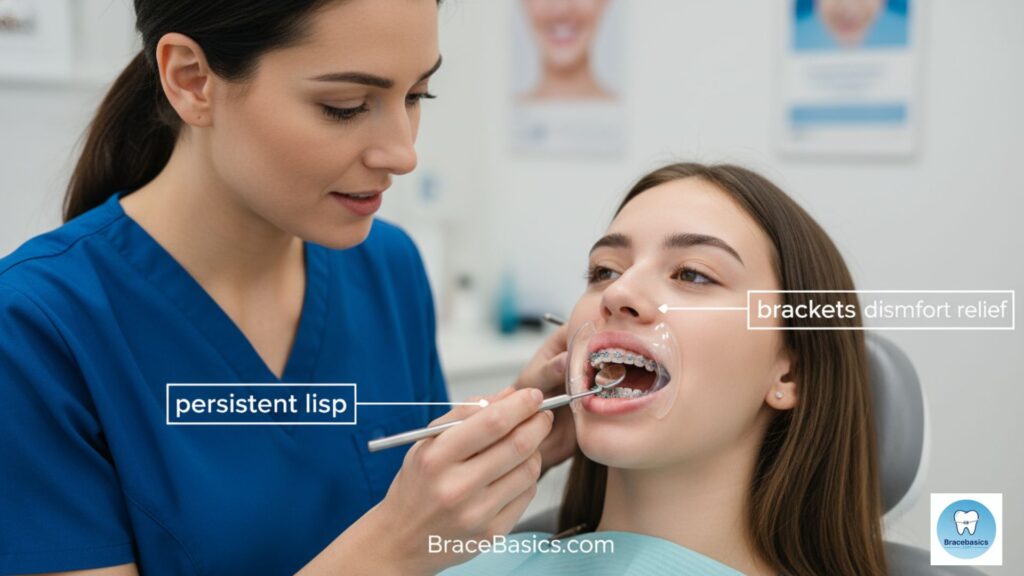
If you have a lisp for more than three to four weeks, contact your orthodontist. Any pain that affects speech should also be evaluated. A bracket poking the cheek needs treatment because it disrupts airflow. USA orthodontic guidelines recommend checking early to avoid long-term discomfort.
Life With Braces: Extra Tips for Eating, Speaking & Cleaning
Conversations feel easier when you relax your tongue and breathe normally. Keeping braces clean prevents odor and ensures speech clarity improvement. Morning and night routines help remove food and bacteria, creating fresh breath and smooth speech throughout the day.
Conclusion: How to Talk Clearly With Braces
Speaking clearly with braces improves faster than most people expect. With consistent practice speaking aloud with braces, using orthodontic wax for comfort, and staying hydrated, your tongue and lips adapt smoothly. Temporary speech issues, including lisps or difficulty with difficult sounds braces “s” “sh” “ch”, fade within days to weeks. Combining mirror practice for speech clarity, tongue twisters for braces, and slow, deliberate speech builds strong speech confidence with braces. By following these strategies, your braces impact on pronunciation becomes minimal, and clear, confident talking returns naturally. Continue exploring brace-friendly speech techniques across this site to strengthen articulation, improve communication, and enjoy a confident, beautiful smile.
FAQs
How long does it take to speak properly with braces?
Most patients adjust within 3 to 7 days after getting braces, though complete comfort may take a few weeks. Speech problems with braces like a slight lisp or difficulty with “S,” “Sh,” or “Th” are temporary speech issues braces commonly cause. Daily exercises like practice speaking aloud with braces, mirror speech practice, and repeating challenging words accelerate recovery. Consistent hydration and using orthodontic wax for comfort also help the tongue and lips adjust faster.
What are hard words to say with braces?
Words containing sounds like “S,” “Sh,” “Ch,” “Th,” “R,” and “L” are usually the most difficult. Examples include sheep, speech, three, brush, trouble, and laughter. These sounds require precise tongue and lip movement braces, and brackets can interfere temporarily. Practicing tongue twisters for braces and reading aloud to improve speech can make these words easier over time. Slowing down and focusing on proper enunciation with braces is key for clarity.
Does lisp from braces go away?
Yes, in almost all cases, the lisp caused by braces is temporary. A lisp occurs because brackets slightly alter airflow and tongue placement, creating mild braces impact on pronunciation. Most patients notice improvement in speech adaptation first weeks with daily speech exercises braces. If the lisp persists beyond a month, a Broken Arrow orthodontist or local orthodontic professional can provide guidance and additional strategies.
How to hide braces when talking?
Hiding braces is easier with smart strategies. Slightly opening your mouth more, using a relaxed jaw, and slowing your speech helps maintain clear speech with braces while talking. Open mouth speaking technique and good posture for better speech reduce the visibility of brackets. Avoid exaggerated lip movements and speak confidently, focusing on mouth positioning for speech. Additionally, practicing in front of a mirror or recording your voice improves speech confidence with braces and makes conversation appear natural.
References
https://www.aaoinfo.org
https://www.mayoclinic.org
https://www.colgate.com
https://www.healthline.com
https://www.cdc.gov
Related Posts
1. Eating & Drinking With Braces
Learn which foods and drinks are safe during your braces journey. Explore guides on soft snacks, candies, and beverages to avoid damaging your brackets and wires.
- Can You Drink a Milkshake With Braces?
- Can You Eat Skittles With Braces?
- Can You Eat Cookies With Braces?
- Braces-Friendly Foods
- Soft Food Diet for Braces
2. Braces Care & Cleaning Tips
Keep your braces clean, prevent irritation, and maintain a healthy mouth. These guides cover brushing, toothpaste, and routine care for orthodontic success.
3. Braces Types & Treatment Guidance
Understand different braces options, orthodontic components, and what to expect from your treatment journey.
4. Adjustment & Comfort Tips
Learn how to manage soreness, adapt speech, and overcome discomfort during the initial braces adjustment period.
- How Long Does the Soreness of Braces Last?
- How Long Does It Take to Get Used to Braces?
- Braces Discomfort Relief: Wax & Tips
5. Braces & Lifestyle Questions
Tips on daily life, cosmetic concerns, and other questions patients often ask about living with braces.
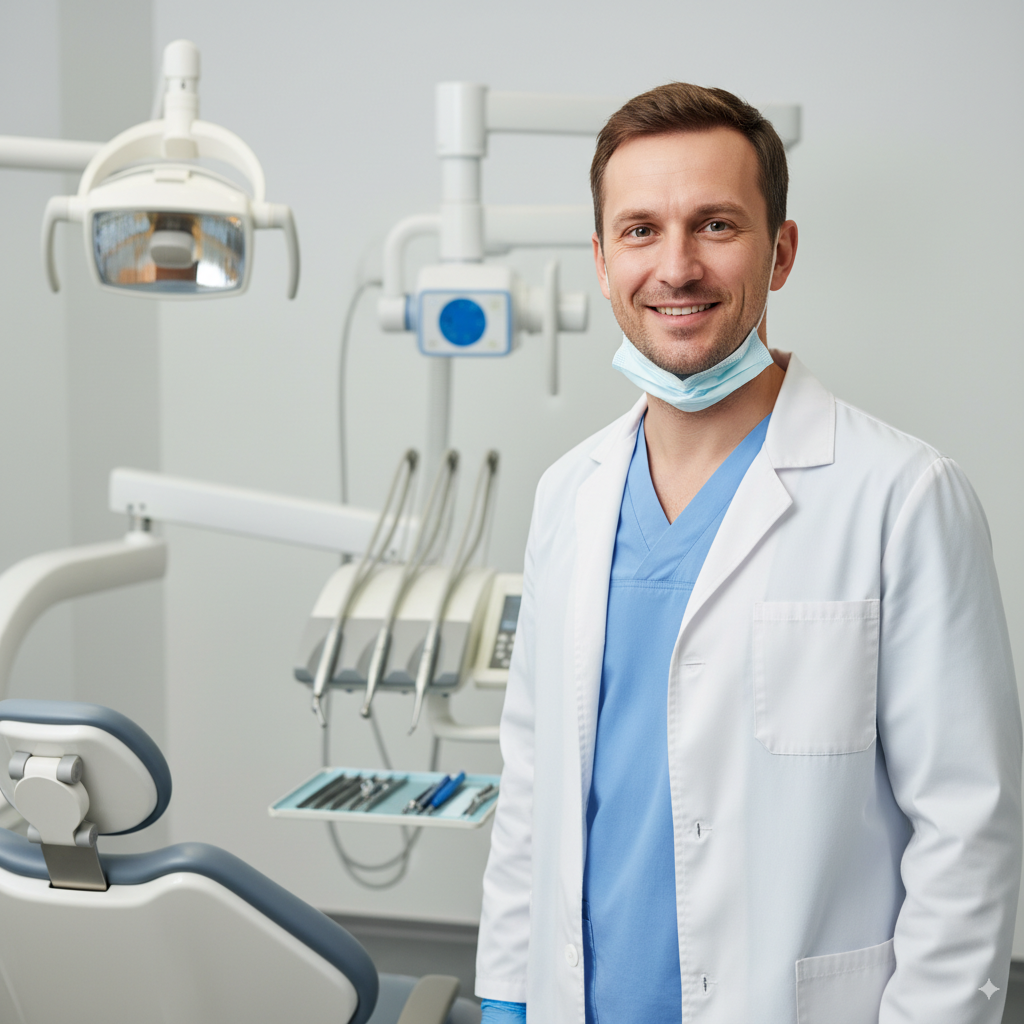
Hi, I’m Dr. Martin, the founder of BraceBasics.com. With years of experience in orthodontics, I’ve made it my mission to simplify braces care for patients of all ages. Here, you’ll find easy-to-understand advice, practical tips, and reliable resources to make your braces journey smoother, healthier, and stress-free. My goal is to help you smile with confidence every step of the way.