

Eating burgers while wearing braces can feel tricky, but it is possible when you follow the right steps. Many patients worry about loose brackets or bent wires, yet choosing soft foods for braces and chewing carefully makes burgers enjoyable. Braces-friendly eating requires attention to texture and careful handling of your teeth, especially in the USA, where fast-food burgers are common and often loaded with hard toppings. Understanding which foods are safe and which to avoid is essential for maintaining progress in your orthodontic diet.
Braces can make your teeth sore, especially after an adjustment, so it is important to wait after tightening before attempting harder meals. Even soft meals should be eaten slowly. Following simple guidelines ensures your treatment continues smoothly and prevents unnecessary damage. By focusing on safe foods for braces and proper chewing techniques, patients can enjoy their favorite foods without compromising their smile.
Can You Eat Burgers with Braces?
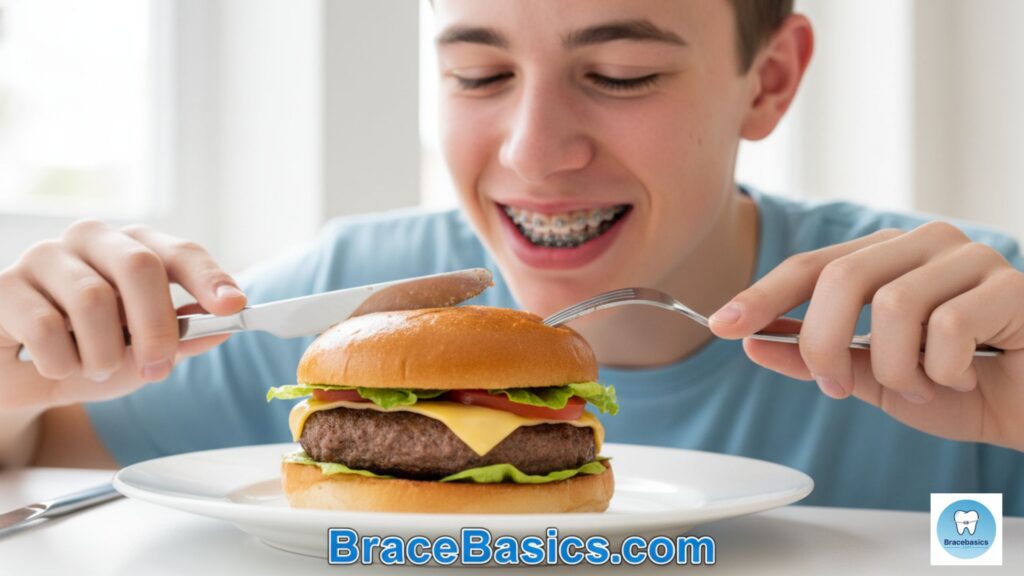
Yes, you can eat burgers with braces, but careful preparation is crucial. Choosing soft burger buns and soft ground beef reduces the risk of loose brackets or bent wires. Chewing slowly distributes pressure evenly across the teeth, which prevents strain on your brackets and wires. Patients should avoid biting directly into thick or overstuffed burgers, as this increases the risk of damage and discomfort. Eating in small portions is safer and keeps the braces intact.
Soft burgers work best when paired with braces-friendly sides. Simple toppings like cheese slices, lightly cooked vegetables, or mashed avocado reduce the risk of harm. Hard or crunchy additions like crispy onions braces or thick bacon can dislodge brackets and bend wires. Following these strategies allows you to enjoy a meal while staying compliant with orthodontic food restrictions, maintaining both your dental health and orthodontic progress.
Can I Eat Hamburgers With Braces?
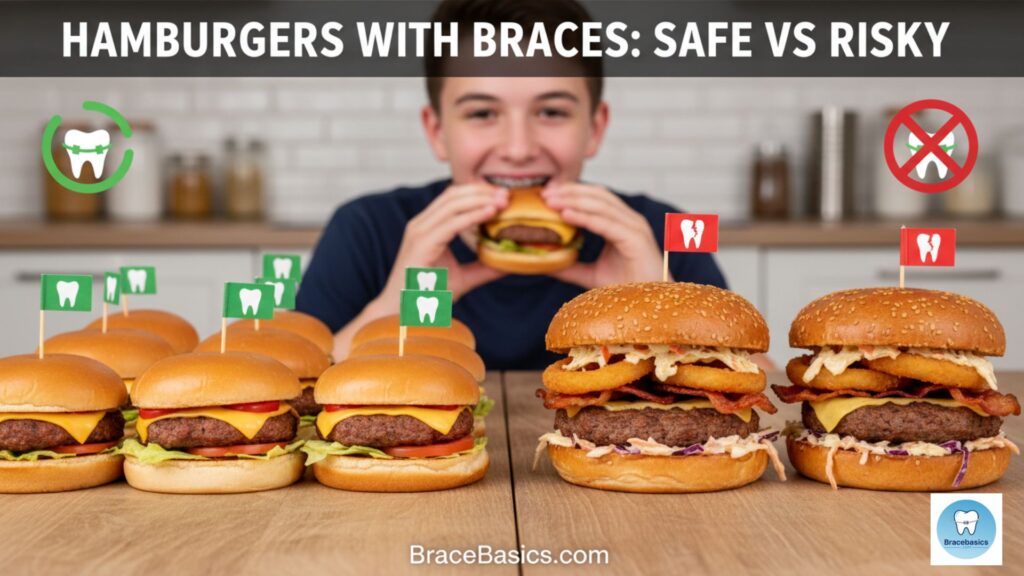
Not all hamburgers are safe for braces. Thin, tender patties paired with soft burger buns are ideal, while thick, grilled burgers with hard toppings are risky. Traditional American hamburgers often include bacon braces risk, crispy onions braces, and toasted buns, all of which can break brackets or bend wires. Patients who stick to smaller, simpler burgers enjoy fewer issues and less discomfort.
Soft toppings and sauces make hamburgers easier to eat for patients with sore teeth after braces. For those with recent adjustments, it is best to wait after tightening and choose milder textures. Sliders or homemade soft burgers offer excellent alternatives to standard restaurant hamburgers, providing flavor and nutrition while adhering to orthodontic diet rules.
How to Eat Burgers with Braces (10 Amazing Tips for a Safe Bite)
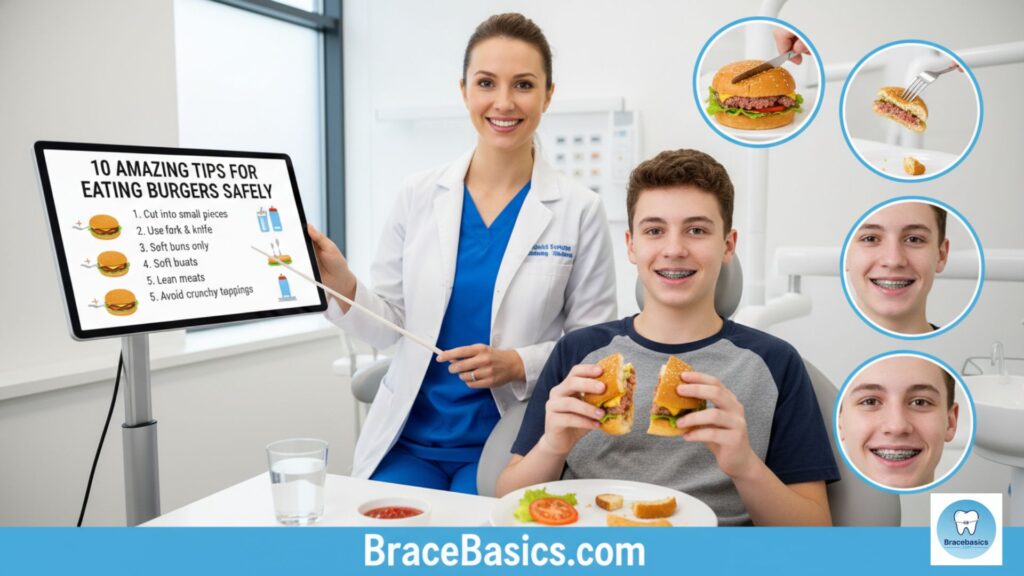
- Cut burgers into small pieces and eat bite-sized pieces instead of biting directly.
- Chew carefully with braces to reduce stress on brackets and wires.
- Avoid large bites and focus on slow, controlled chewing.
- Choose soft toppings and sauces to add moisture and make swallowing easier.
- Avoid hard toppings, crunchy vegetables, and thick bacon to prevent loose brackets or bent wires.
- Use utensils to hold the burger and prevent it from slipping while eating.
- Pair burgers with soft foods for braces on the side for safer chewing.
- Rinse or brush after meals to remove trapped food debris.
- Include soft accompaniments like yogurt braces, bananas braces, or strawberries braces for oral hygiene.
Following these tips keeps meals enjoyable while maintaining a safe and effective orthodontic diet.
Tips for Avoiding Damage While Eating Burgers
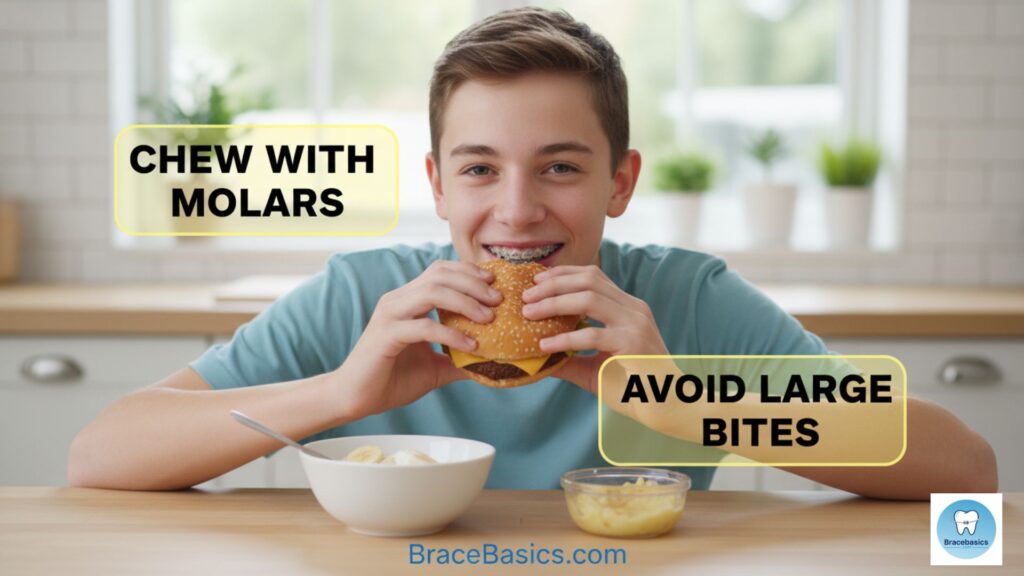
Chewing carefully is the most important step for avoiding braces damage. Focus on soft ground beef and soft burger buns, and never bite hard with your front teeth. Splitting your burger into bite-sized pieces reduces risk. Avoiding hard toppings or crispy additions like crispy onions braces prevents accidents that could lead to loose brackets or bent wires.
Avoid large bites and take your time with every chew. Pairing burgers with soft foods for braces ensures less pressure on your teeth. Brushing or rinsing after meals removes food debris that could become trapped and lead to complications. Maintaining these habits keeps the orthodontic food restrictions manageable and protects your smile throughout treatment.
Soft Foods & Snacks That Are Safe With Braces
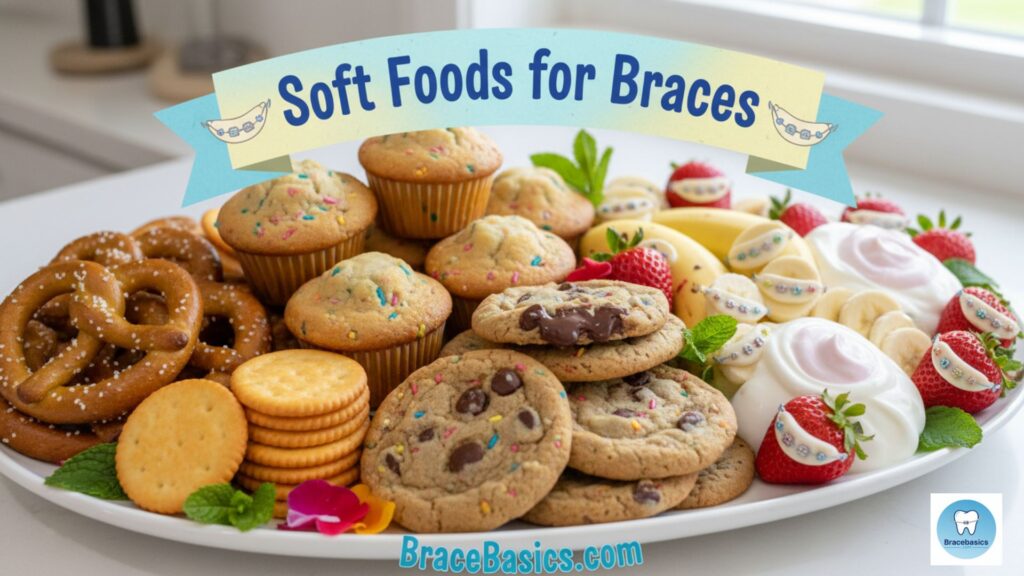
Soft foods make eating enjoyable and safe. Items like soft-baked cookies, soft crackers, muffins braces, and soft pretzels are easy to chew and do not damage brackets. Fruits such as bananas braces and strawberries braces provide nutrition while being gentle on teeth. Dairy options like cheese slices and yogurt braces are also braces-friendly snacks that help maintain oral health. Soft pasta, mashed potatoes, and thin crust pizza braces are also excellent additions to a braces-friendly menu.
These foods not only prevent accidents but also keep your diet enjoyable. Pairing soft foods with bite-sized pieces of burgers reduces strain. Meals can remain satisfying without risking hard foods braces, sticky foods braces, or other dangerous items that jeopardize orthodontic progress.
Foods You Should Avoid If You Have Braces
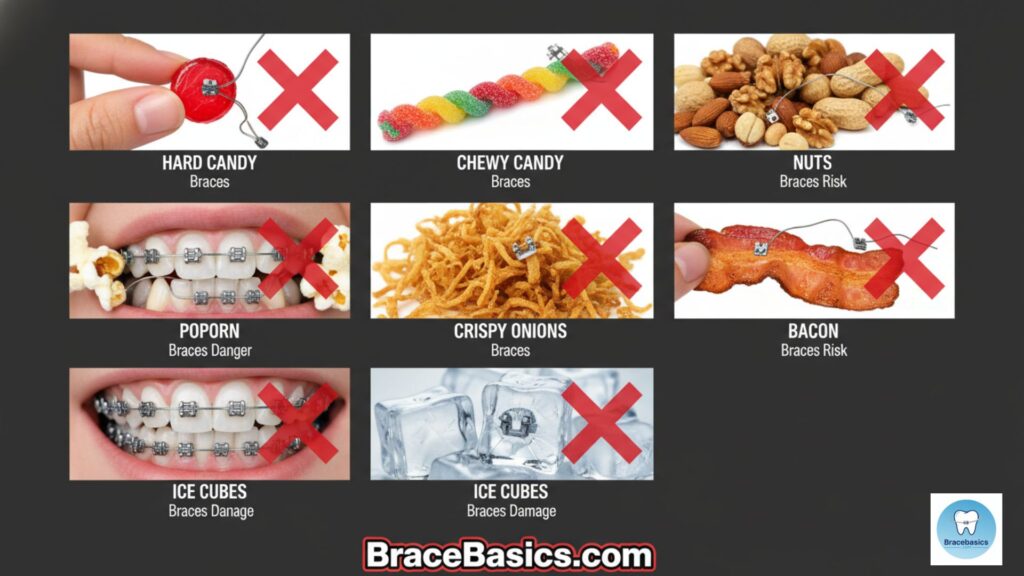
Certain foods can harm your braces and delay treatment. Hard foods braces and crunchy snacks put excessive pressure on brackets and wires, while sticky foods braces can pull brackets off or trap debris. Sugar-laden foods like candies and sodas contribute to decay and must be limited. Understanding which items to avoid prevents accidental damage.
Hard Foods
Raw nuts, thick chips, crusty bread, and ice cubes are all hard foods braces that can break wires or loosen brackets. Avoid them entirely.
Sticky and Chewy Items
Caramel, taffy, chewy candy braces, and gum braces problem are sticky foods braces that cling to brackets and interfere with cleaning.
Crunchy Snacks
Popcorn braces danger, pretzels, and crispy chips create sharp pressure points that risk bending wires and breaking brackets.
Sugary Drinks and Sweets
Soda, milkshakes with candy bits, and desserts contain sugars that accelerate decay and compromise oral health during orthodontic treatment.
Hard Raw Veggies and Citrus Fruits
Whole carrots, apples, tough lettuce, and lemon slices are hard foods braces that strain wires and cause discomfort. Always cut into bite-sized pieces.
Why These Food Restrictions Matter With Braces
Avoiding damaging foods protects your brackets and wires, reduces pain, and keeps your orthodontic treatment on schedule. Brackets can loosen and wires can bend, causing delays and additional dental visits. Following an orthodontic diet minimizes these risks, ensuring smooth progress and less discomfort, particularly during sore teeth after braces periods. Proper food selection preserves your teeth while allowing you to enjoy meals safely.
Are Braces Worth These Dietary Adjustments?

Temporary dietary changes are worth the lifelong benefit of straight teeth. Avoiding hard foods braces or sticky foods braces for a few months ensures a proper smile without setbacks. The small effort spent following an orthodontic diet prevents loose brackets, reduces visits to the orthodontist, and guarantees a beautiful, healthy smile. Patients who adhere to these guidelines enjoy both safety and satisfaction.
Conclusion
Eating burgers with braces is completely possible when following the right precautions. Focus on soft burger buns, soft ground beef, and bite-sized pieces, and avoid hard or sticky toppings. Pairing burgers with braces-friendly snacks like yogurt braces or bananas braces ensures a safe and satisfying meal. Careful chewing, attention to orthodontic food restrictions, and smart food choices protect your smile while making mealtime enjoyable. By following these guidelines, you can maintain your orthodontic progress and enjoy a variety of foods safely.
FAQs
What fast food can you eat with braces?
You can enjoy soft foods for braces at fast-food restaurants, such as soft burger buns, tender sandwiches, smoothies, yogurt, or soft desserts like soft-baked cookies. Always avoid hard foods braces, sticky foods braces, and crispy onions braces, which can damage loose brackets or bend wires. Pairing meals with soft sides helps maintain a safe orthodontic diet.
Can I eat McDonald’s fries with braces?
Regular McDonald’s fries are usually too hard or thin to chew safely with braces. If they are soft and slightly cooled, small bite-sized pieces may be manageable, but it’s best to eat fries sparingly. Always chew carefully and avoid biting hard ends to prevent bent wires or loose brackets.
Can I eat a burger if I just got braces?
After getting braces, your teeth may be sore, so it’s best to wait after tightening before eating a burger. Choose soft ground beef, soft burger buns, and cut the burger into bite-sized pieces. Avoid hard toppings, bacon braces risk, and crunchy vegetables to reduce pressure on brackets and wires.
Can I bite into pizza with braces?
Yes, but only soft versions like thin crust pizza braces. Avoid thick or stuffed crusts and hard toppings that can damage braces. Take small bites, chew slowly with your back teeth, and remove any hard edges before eating to prevent loose brackets or bent wires. Pair pizza with soft sides like yogurt braces or soft fruits for safety.
References
- Guide to Eating with Braces — American Association of Orthodontists
- Foods You Can Eat With Braces — Colgate
- How Do You Eat With Braces? — WebMD
- Foods You Can and Shouldn’t Eat If You Have Braces — Healthline
- Foods to Avoid During Orthodontic Treatment — Bracem.com
Hi, I’m Dr. Martin, the founder of BraceBasics.com. With years of experience in orthodontics, I’ve made it my mission to simplify braces care for patients of all ages. Here, you’ll find easy-to-understand advice, practical tips, and reliable resources to make your braces journey smoother, healthier, and stress-free. My goal is to help you smile with confidence every step of the way.