


Beginning orthodontic treatment often feels like stepping into a brand-new world where the mouth adjusts to unfamiliar orthodontic appliances and new sensations. Many patients in the USA wonder how long to get used to braces because the first week with braces usually brings pressure, tenderness, and a slight foreign object feeling in mouth. This natural response comes from early tooth movement pressure, gentle shifts in the jawbone remodeling process, and soft-tissue contact with brackets. The good news is that initial discomfort fading starts quickly as the mouth learns to adapt, and daily routines begin to feel normal again. Eating, speaking, and smiling become easier once the early braces discomfort settles, and the body recognizes this new addition as part of normal function.
Understanding this adjustment window helps reduce stress because the body moves through predictable phases as tissues adapt to traditional metal braces, ceramic braces, or even clear aligners. Patients using Invisalign experience similar moments during their Invisalign first week, though pressure often appears differently. Learning about soreness patterns, expected healing, and emotional reactions makes the journey smoother and helps patients feel supported through every stage of adjusting to braces.
How Long Does It Take to Get Used to Braces? quick answer

Most people feel noticeably better within the first week because the body adapts naturally to pressure changes. The common answer shared by orthodontists is that it takes one to two weeks to feel genuinely comfortable with braces. During this period, tissues toughen, soreness decreases, chewing improves, and daily routines feel easier.
However the complete sense of normalcy continues to improve during the first month because the gum tissues and bite pattern gradually adjust. Eating becomes easier as soft foods for braces transition into firmer textures. Speech stabilizes and the thought of having braces becomes less distracting. Everything feels smoother once early tenderness fades and the wires no longer feel like a new addition.
What to Expect in the First Few Days With Braces

The first few days bring distinct sensations as the brackets begin guiding teeth into healthier positions. Many patients feel gentle tightness, mild throbbing, or sore teeth braces as the wires activate. This often leads to mouth irritation braces, especially when the cheeks brush against the brackets creating rubbing brackets irritation. Some patients notice excess saliva after braces during the first twenty-four hours as the mouth tries to understand these new structures. Small changes in chewing, swallowing, and speech are normal because the body is adapting to the early stages of orthodontic treatment.
Emotional reactions appear too because wearing braces may feel unusual or overwhelming for a short time. Many teens notice temporary self-consciousness while adults feel concerned about braces pain or pressure. These responses settle quickly once the orthodontic appliances stop feeling new. The typical soreness timeline (Days 1–7) includes rising sensitivity during the first two days and gradual improvement afterward. Tender spots on the gums or small irritations improve with orthodontic wax, gentle cleaning, and minor dietary adjustments that limit strain on sensitive teeth.
Timeline: How Long It Takes to Get Used to Braces

Days 1–3: Initial Pressure and Soreness
The first three days bring the most noticeable sensations because the wires start working immediately. Many patients feel pulsing aches, mild headaches, or sensitivity to hot or cold foods. This period often creates pressure as the teeth respond to the earliest phases of controlled tooth movement pressure, leading to a natural inflammatory response.
Days 4–7: Getting Comfortable With Eating and Speaking
Comfort increases as the tissues acclimate and the bite adjusts. Cheeks toughen which reduces lip and cheek irritation, and the tongue learns how to avoid the brackets. Eating improves with braces-safe foods, and speaking becomes smoother as muscle memory adapts. The appetite also returns once soreness gradually decreases and swallowing feels normal.
Week 2–4: Routine Feels More Normal
The following weeks feel easier because the pressure stabilizes and the brackets no longer feel intrusive. Patients notice sharper improvement in chewing and reduced friction as the tissues strengthen. Mild tenderness may appear when using elastics usage or after routine tightening, yet this discomfort passes quickly. Daily schedules feel familiar again without constant awareness of the braces.
After 2 Months: You Barely Notice Them
Once the two-month mark arrives most people forget they are wearing braces because irritation stops and chewing feels natural. Soreness only returns briefly during wire changes. The mouth becomes efficient at cleaning brackets and preventing plaque buildup around brackets, reducing the risk of preventing tooth decay with braces.
Does Getting Braces Hurt? (What’s Normal and What’s Not)
Immediate Post-Procedure Discomfort
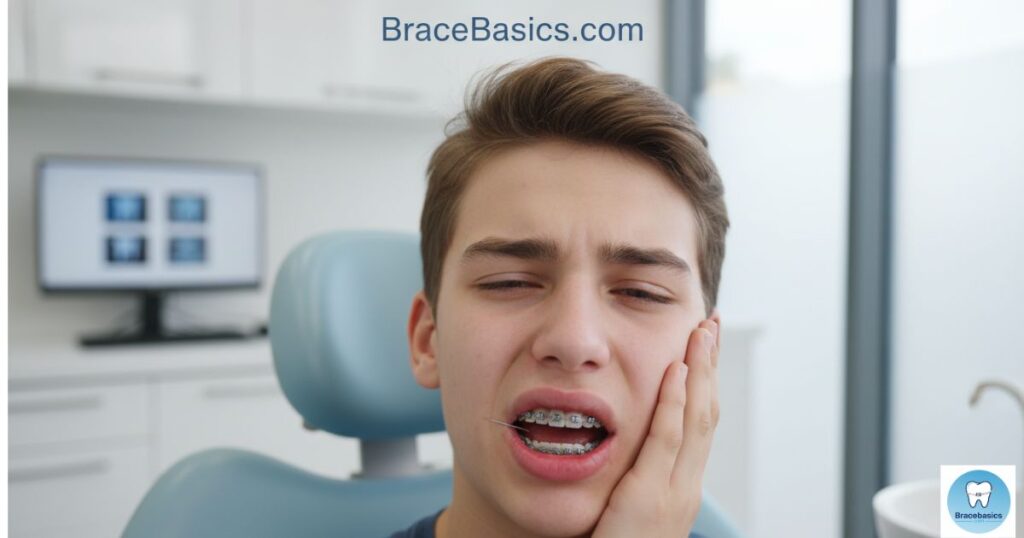
Mild discomfort at the start is normal because the braces create controlled biological responses that guide teeth into ideal positions. This early sensation reflects the beginning of gentle alignment and tissue adaptation. The mouth may feel tender due to pressure changes or minor wire poking gums that sometimes occur after placement.
How Long the Soreness Usually Lasts
The typical soreness lasts between two and seven days depending on each patient’s sensitivity level. Teenagers often adjust faster while adults may experience slightly longer tenderness. Pain tends to ease quickly as tissues strengthen and the wiring system settles into place. Using over-the-counter pain relievers, Advil for braces pain, or Motrin for soreness helps manage temporary discomfort.
When to Contact Your Orthodontist
An orthodontist should be contacted if discomfort increases rather than decreases or if the patient notices broken wires, broken brackets, or persistent gum swelling. Any unusual symptoms such as intense pressure or ongoing irritation signal the need for quick intervention to avoid orthodontic emergency issues or delays in the braces timeline.
What to Eat During the Adjustment Period

Eating becomes easier when the diet focuses on minimizing chewing force. Many patients rely on soft foods for braces like mashed potatoes, yogurt, soups, smoothies, and tender pasta dishes during the first week. This approach prevents pressure on sensitive teeth and reduces friction on irritated cheeks. A soft diet during adjustment supports healing and prevents strain on tender tissue while allowing the digestive system to function normally.
Protecting braces during meals is essential because biting into hard foods can disrupt the wires. Avoiding problematic options prevents food stuck in braces and protects the appliances from structural stress. Keeping chewing movements slow and using smaller bites shields the brackets from unnecessary force which protects the entire orthodontic treatment progress.
Foods Safe for the First Week
Comfortable foods include puddings, scrambled eggs, broths, rice, bananas, oatmeal, steamed vegetables, and soft grains. These meals reduce chewing force and ease sensitivity which supports quicker adaptation. Smooth textures also prevent cuts or bruises inside the mouth while minimizing collision between tender tissues and brackets. For More Information read our Blog What to Eat with Braces the First Week?: 50 Easy Meals
Foods to Avoid (Hard, Sticky, Chewy)
Avoid tough bread, nuts, raw carrots, popcorn, caramel, gum, and other stress-producing options because they strain the brackets. Sticky foods increase the risk of damage which can lead to delays or treatment time extension during alignment. These foods also raise the likelihood of plaque retention which increases decay risks.
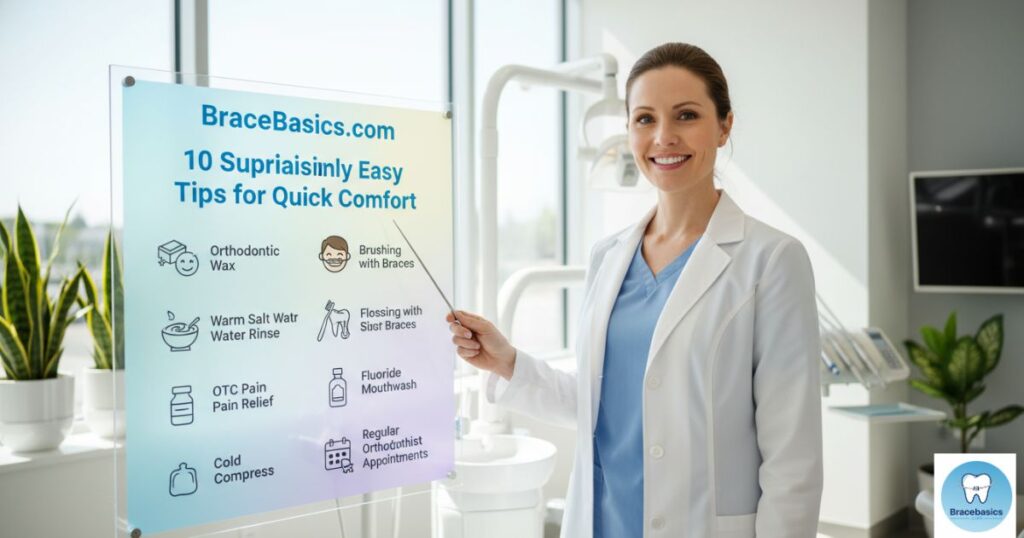
10 Surprisingly Easy Tips for Quick Comfort
Use Orthodontic Wax
Applying orthodontic wax reduces rubbing on irritated tissue and creates a smooth barrier between brackets and cheeks. This protective layer softens friction which allows the mouth to heal comfortably during the early stages of alignment.
Stick to Soft Foods
Soft textures protect the teeth from unnecessary pressure while avoiding discomfort from biting. These meals help reduce friction and protect irritated spots which allows faster adaptation and less swelling during chewing.
Use Warm Salt Water Rinses
A warm salt water rinse soothes tender gums and helps disinfect small cuts created by new brackets. This technique speeds healing and relieves discomfort by calming inflamed tissues which helps the mouth recover naturally.
Take OTC Pain Relief if Needed
Many patients benefit from over-the-counter pain relievers during the first nights because they decrease inflammation and discomfort. Medications like Advil for braces pain or Motrin for soreness work well during tightening appointments or early adjustments.
Apply Cold Compress
Cold compresses reduce swelling and numb tender spots which provide noticeable relief from pressure. Cooling therapy works especially well for patients experiencing throbbing aches during the first two days of their journey.
Brush Gently With a Soft Toothbrush
Gentle care prevents pain while protecting sensitive gums from irritation. Proper brushing with braces also helps reduce plaque buildup around brackets and prevents complications like swollen gums braces which appear when food debris collects near the gumline.
Use Flossing Tools Like Threaders or Water Flossers
Special flossing tools glide easily around brackets which reduce friction on sore areas. Regular flossing with braces prevents decay, reduces inflammation, and keeps alignment progress smooth by avoiding gum infections.
Try Orthodontic Mouthwash
A fluoride mouthwash reduces inflammation while strengthening enamel during early adjustment. This improves overall dental hygiene with braces and protects the teeth from plaque acids that settle around the brackets.
Stay Active to Distract Your Mind
Physical activity improves mood and helps shift focus away from soreness. Movement reduces tension and increases blood flow which supports natural pain relief during early alignment periods.
Keep Regular Orthodontist Appointments
Consistent orthodontist appointment visits allow adjustments that keep teeth moving efficiently. Regular checkups help catch issues early such as broken brackets or wire poking gums which protects alignment progress.
How to Reduce Pain From Braces

Proven Home Remedies
Home remedies like cold water sips, topical gels, and warm rinses relieve pressure while calming irritated tissues. An ice water rinse for relief helps cool inflamed gums and reduces throbbing sensations that occur during early adaptation. These gentle solutions improve healing without stressing sensitive tissues.
Eating Techniques to Minimize Pressure
Chewing with the back teeth and cutting meals into small pieces reduces strain on sore areas. Soft textures prevent flare-ups while minimizing stress on the new bite pattern formed by bite bumps or bite turbos. Small adjustments like slower chewing improve overall comfort.
Psychological Adjustment: Getting Comfortable Mentally
Emotional comfort takes time because wearing braces can influence confidence levels during the first stages. Many patients feel shy about smiling or speaking yet this fades once the braces become routine. Emotional adaptation usually improves in one to two weeks when daily tasks feel normal and tenderness decreases. Patience helps the mind accept the new routine without stress.
Confidence improves as eating becomes easier and tenderness fades. Simple encouragement from family and friends helps maintain positivity while waiting for alignment changes. Patients often feel motivated when early improvements start showing especially once soreness drops and braces adjustment soreness becomes minimal.
Individual Variations in Adjustment Time
Adjustment speed differs for everyone because dental complexity, age, and tissue sensitivity vary widely. Younger patients often adapt quickly while adults may require a few extra days. High pain tolerance, active lifestyles, and stronger gum health help some people adjust in record time. Others need additional days when dealing with sensitive gums or complex bite patterns.
Variations also depend on bite issues, alignment stages, and patient habits. Eating style, speech patterns, and oral cleanliness influence how fast the mouth adjusts to pressure changes. Daily routine also matters because people who maintain strong hygiene avoid problems that slow progress such as plaque buildup around brackets or inflammation near the gumline.
FAQs
Do you eventually get used to braces?
Yes, most patients eventually get used to braces. The mouth adapts to orthodontic appliances, and the early braces discomfort fades over time. Sore teeth braces, lip and cheek irritation, and rubbing brackets irritation are common at first, but within one to two weeks, most people feel comfortable eating, speaking, and performing dental hygiene with braces.
What is day 3 of braces like?
Day 3 of braces often brings less pain than the first two days, but mild soreness and sensitivity to hot or cold foods may remain. Cheeks and lips adjust to the wire poking gums and bite bumps, while soft foods for braces help prevent additional irritation. Many patients notice initial discomfort fading, though braces adjustment soreness may still appear after meals.
How to get used to braces faster?
Getting used to braces faster involves a combination of comfort strategies. Applying orthodontic wax reduces rubbing brackets irritation, rinsing with a warm salt water rinse soothes tender areas, and maintaining brushing with braces and flossing with braces prevents plaque buildup around brackets. Eating braces-safe foods and staying active also speeds adaptation while minimizing mouth irritation braces.
How long does it take for braces to become comfortable?
Braces generally become comfortable within one to two weeks, though complete adaptation can take a few months depending on your bite and sensitivity. Early soreness, sore teeth braces, and foreign object feeling in mouth usually improve as the teeth move and jawbone remodeling occurs. Regular orthodontist appointments ensure adjustments do not prolong discomfort.
Final Thoughts: When You’ll Feel Fully Normal With Braces
Most patients feel fully comfortable within several weeks once the body adapts to alignment changes and tissue resilience strengthens. Chewing, speaking, and cleaning routines become second nature and the braces stop feeling like an obstacle. The mouth functions efficiently, soreness disappears, and the journey feels easier with every passing week.
Feeling normal again becomes clear when tenderness stops returning, meals feel effortless, and no areas feel irritated. Staying consistent with cleaning habits and attending every appointment ensures smooth progress. Braces become an ordinary part of life and the comfort that follows marks the beginning of a healthier, straighter smile.
References
- American Association of Orthodontists. Do Braces Hurt? Your Comprehensive Guide to Managing Orthodontic Pain. AAO. (American Association of Orthodontists)
- American Association of Orthodontists. Orthodontic FAQs: What to Eat, How to Clean, and How to Manage Discomfort. AAO. (American Association of Orthodontists)
- Total Orthodontics. What to Expect from Your First Week of Braces. Total Orthodontics. (total-orthodontics.com)
- Smith & Heymann Orthodontics. Guide to Your First Week in Braces. Smith & Heymann. (smithandheymann.com)
- Pain and Tooth Movement During Orthodontic Leveling and Alignment — A Questionnaire‑Based Study. PMC (PubMed Central). (pmc.ncbi.nlm.nih.gov)
Hi, I’m Dr. Martin, the founder of BraceBasics.com. With years of experience in orthodontics, I’ve made it my mission to simplify braces care for patients of all ages. Here, you’ll find easy-to-understand advice, practical tips, and reliable resources to make your braces journey smoother, healthier, and stress-free. My goal is to help you smile with confidence every step of the way.