
Early orthodontic treatment care changes your food world because teeth feel sore and brackets need gentle handling. Many people worry about sticky treats since they grip like glue and increase plaque buildup risk which creates hidden trouble between wires.
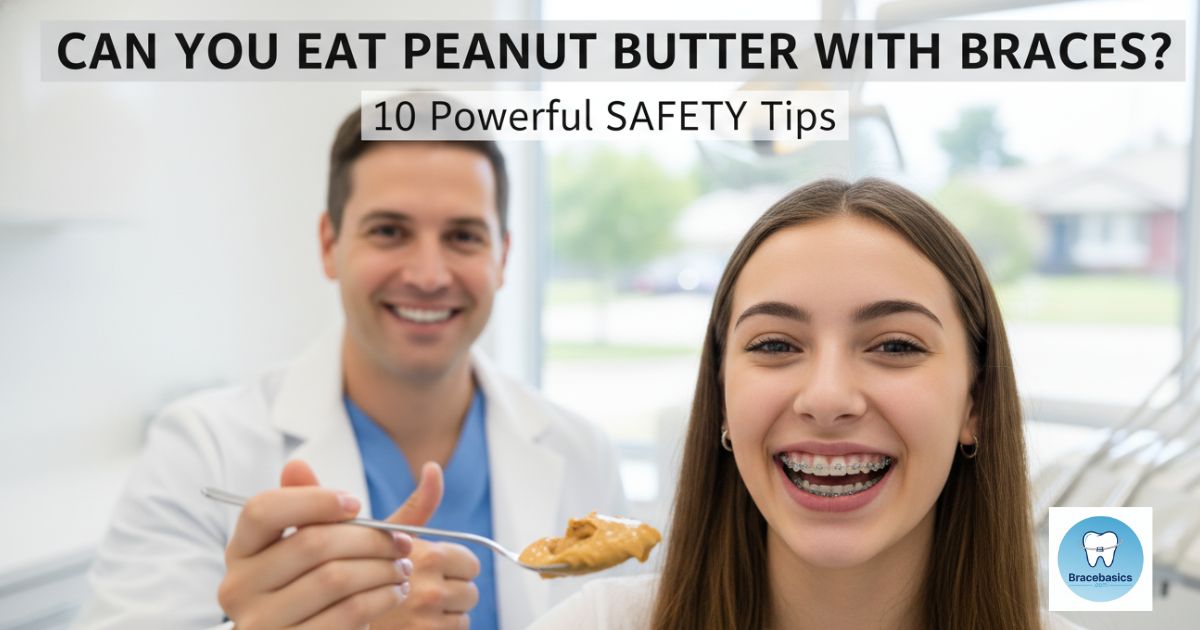
The question Can You Eat Peanut Butter With Braces creates massive confusion because this creamy snack feels harmless yet acts like elastic mud. This article explains smart eating methods, timing rules, cleaning strategies, and professional damage prevention so you enjoy comfort plus safe dental progress.
What Makes Peanut Butter Confusing for Braces Wearers?
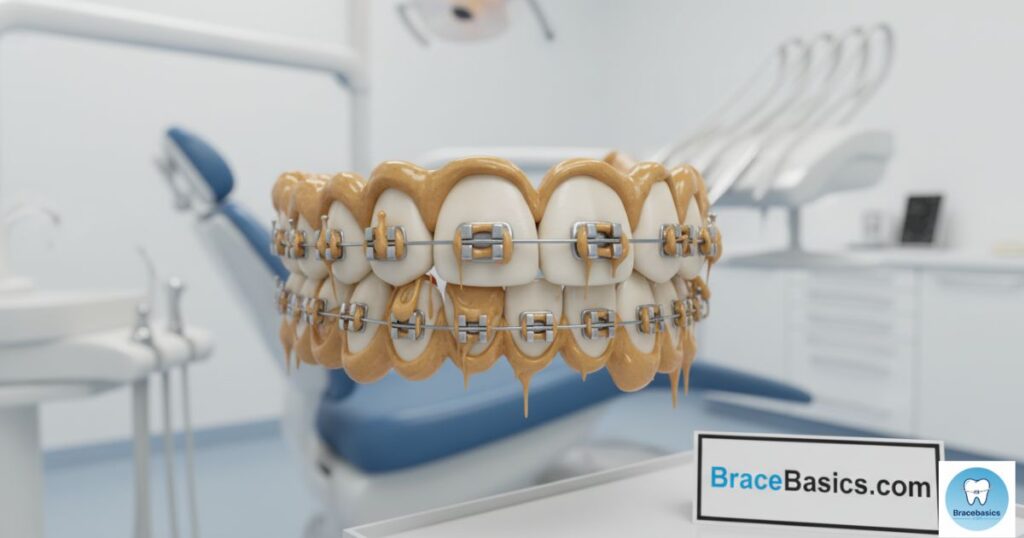
Sticky treats cling like melted caramel which turns simple chewing into residue removal trouble because paste-like textures hide under brackets. Patients notice that even water can’t wash thick spreads fully which increases post-snack oral hygiene difficulty inside narrow metal spaces.
Dentists warn about sticky foods and braces because trapped spread creates a long bacterial party that raises cavity heat and enamel protection problems. Soft sticky snacks may seem gentle yet behave like chewing gum glue especially when sugar mixes with slow saliva cleaning.
Can You Eat Peanut Butter With Braces? Honest Answer
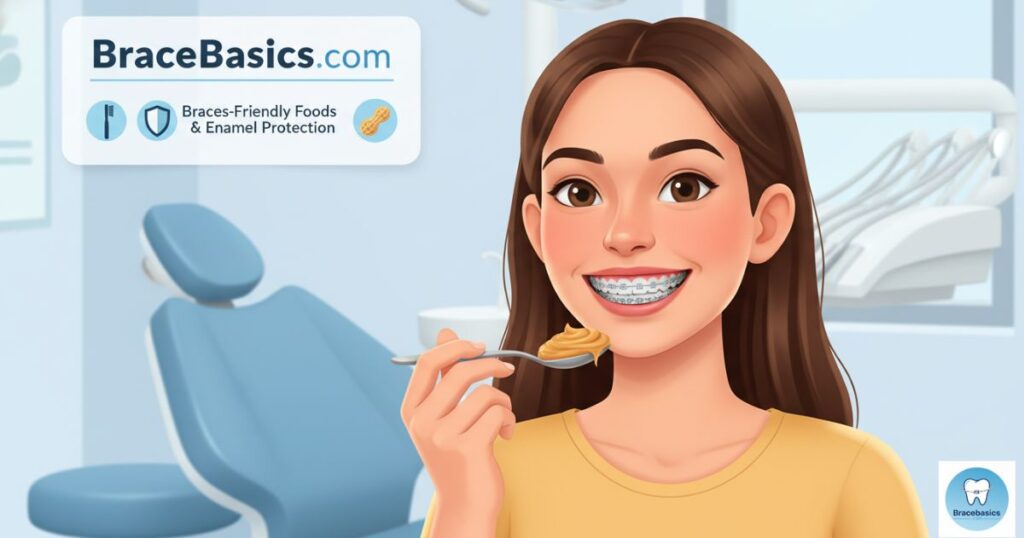
Yes, eating peanut butter with braces is completely possible if you follow proper precautions such as controlling portion size, choosing the right texture, chewing carefully, and maintaining a strong cleaning routine. Following these steps keeps your teeth safe and preserves your orthodontic progress.
Thick, sticky peanut butter can cling to brackets and wires, increasing the need for flossing with braces and thorough post-snack oral hygiene. Eating safely requires focus and discipline, treating peanut butter as a mindful, braces-friendly treat rather than a casual snack.
Why Peanut Butter Can Be Risky
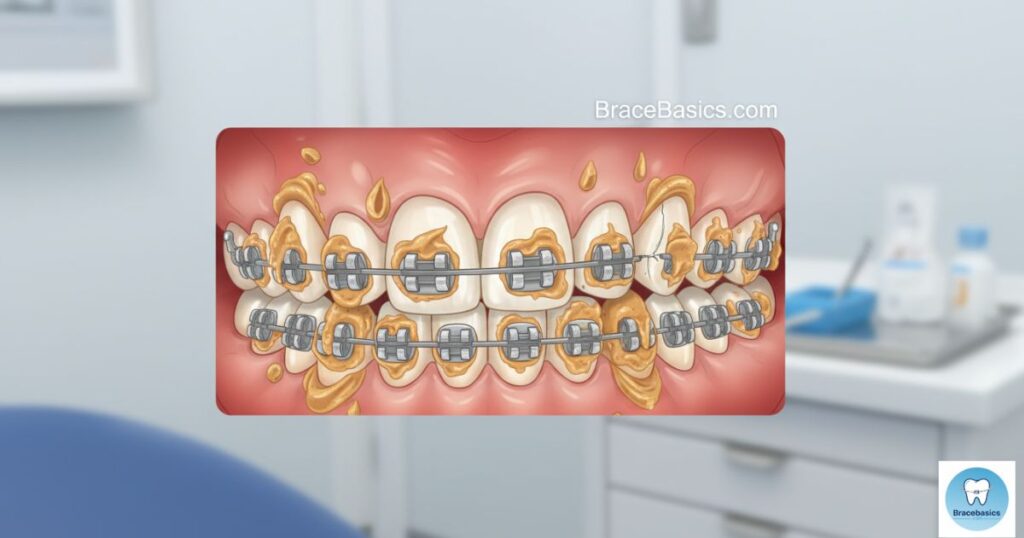
The adhesive nature coats brackets like wall putty which raises bracket and wire damage stress and unseen buildup under tiny metal surfaces. Crunchy bits create sudden micro pressure that harms dental hardware which increases emergency orthodontic risk and appointment delays.
Thick paste fuels bacteria like compost soil which heightens cavity prevention routine needs and sliding enamel weakness. Sugar-loaded spreads turn into sticky film which opens pathways for gum irritation, sensitivity, and long-term alignment trouble.
Best Type of Peanut Butter for Braces
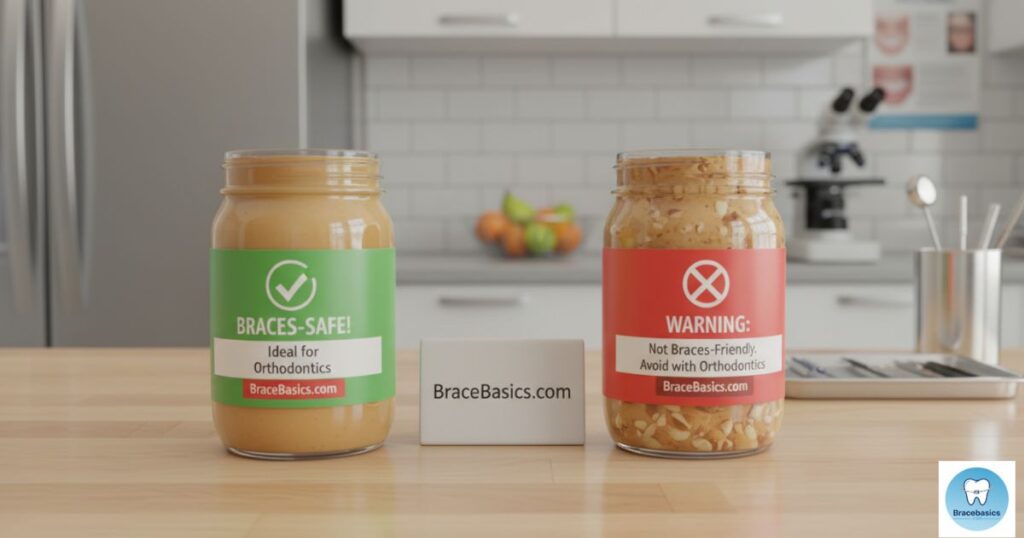
Smooth textures glide like lotion which suits braces-friendly foods because the mouth handles creamy flow easier than grainy chunky sand. Choose natural unsweetened jars because too much sugar increases food restrictions with braces concern during alignment.
Avoid crunchy peanut butter risk because tiny nut chips behave like gravel which hits brackets with sudden force. Low sugar creamy choices reduce long-term acid stress and support gentle chewing that protects investment time.
Can You Eat Peanut Butter With Braces: 10 Powerful Safety Tips
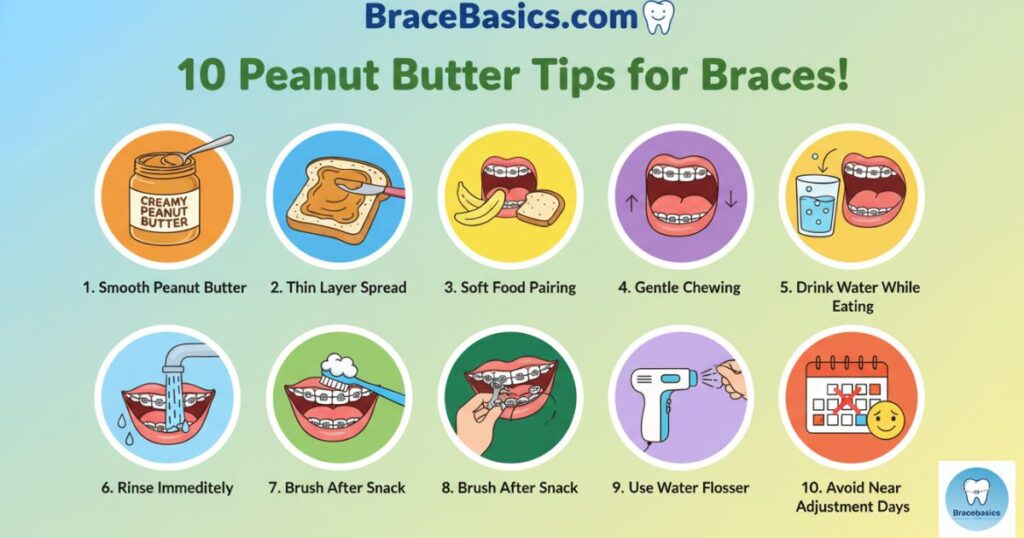
- Choose smooth peanut butter – Reduces friction and allows easier mouth flow.
- Spread a thin layer – Lowers adhesive strength and prevents sticky buildup.
- Pair with soft foods – Ensures comfortable chewing and reduces stress on brackets.
- Drink warm water while eating – Helps with residue removal and initial cleaning.
- Bite gently – Protects brackets and wires from damage.
- Clean immediately after eating – Maintains strong post-snack oral hygiene.
- Use floss threaders – Reaches hidden areas for deep clearing.
- Use water flossers – Provides fast and effective liquid cleansing.
- Avoid eating near adjustment days – Reduces pressure on sensitive brackets and wires.
- Listen to soreness signals – Protects overall dental stability and prevents emergency orthodontic risk.
Best Ways to Eat Peanut Butter Safely
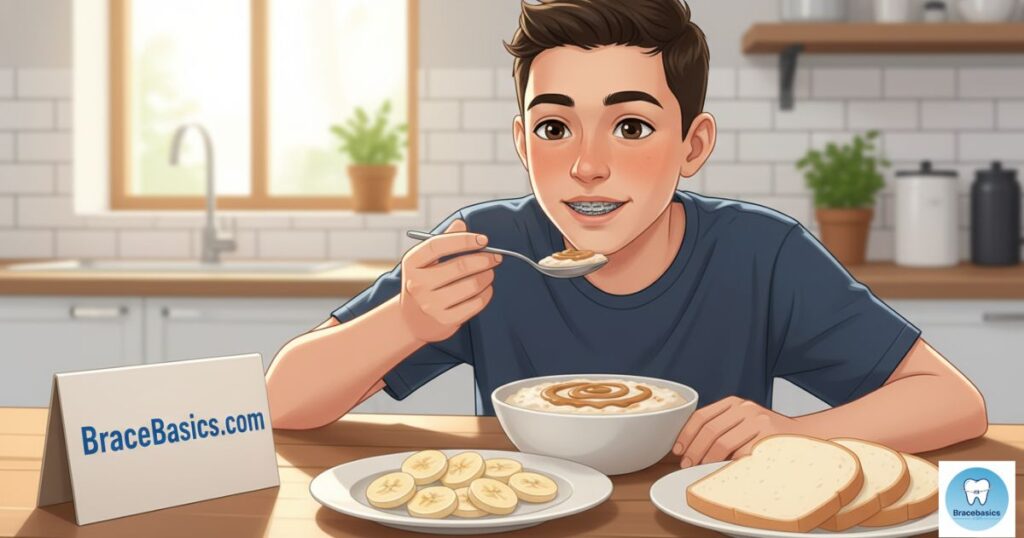
Eating peanut butter with braces can be safe when paired with soft food pairing that cushions your brackets and wires. Foods like banana slices, warm oatmeal, soft pancakes, and fluffy bread act like soft pillows in your mouth. They allow smooth chewing, which reduces the risk of bracket and wire damage while helping the peanut butter glide naturally along your teeth.
Soft pairings prevent sticky peanut butter from being pushed into hard-to-reach areas where it can cause residue removal challenges and increase plaque buildup risk. For example, spreading smooth peanut butter on a warm slice of soft bread or blending it into creamy oatmeal ensures even distribution without creating sticky clumps. Combining with protein-rich snacks or soft fruits adds nutrition while keeping chewing gentle. This approach minimizes irritation, supports post-snack oral hygiene, and maintains consistent aligner dental care for patients using Invisalign clear aligners or traditional braces.
When You Should Avoid Peanut Butter Completely
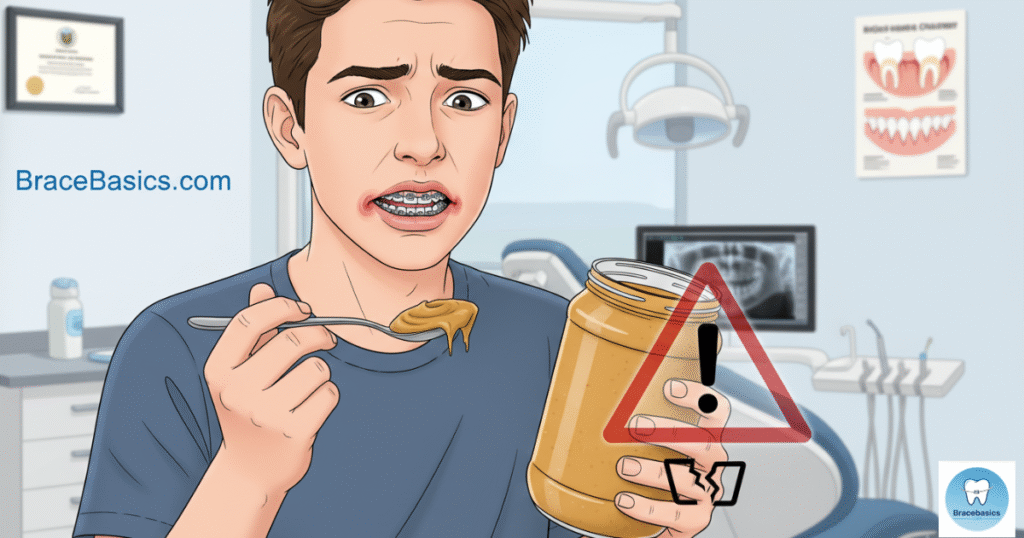
Skip it during the first installation week because swollen gum tissue struggles with sticky surfaces and residue removal becomes painful. Avoid right after tightening because sensitivity rises quickly like tender muscle soreness.
If hardware feels loose or painful then stop eating peanut butter and braces instantly because internal friction causes long-term alignment setbacks. Cold sores, gum ulcers, or bitten cheeks require break time until mouth tissue calms and heals.
Healthy & Safer Alternatives
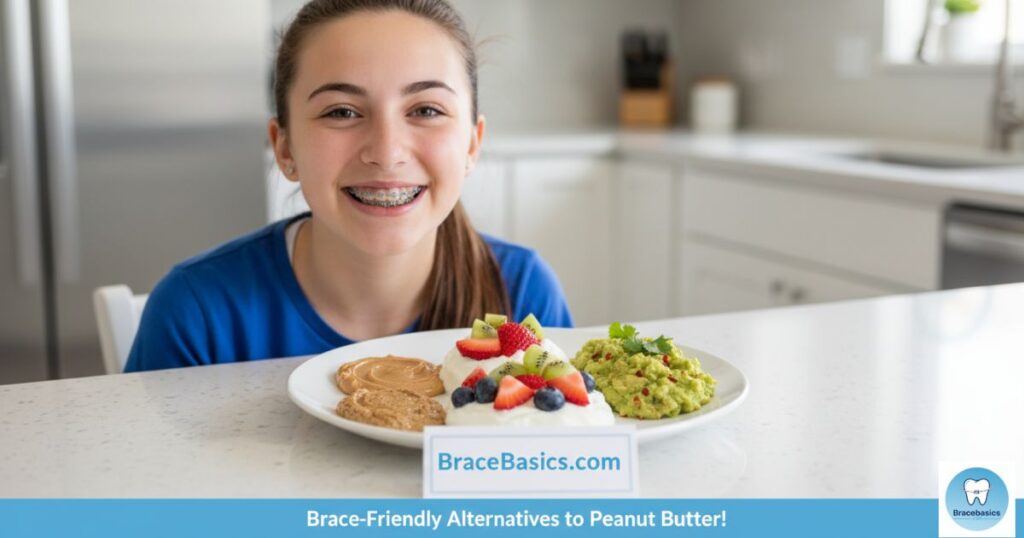
- Almond butter – Creamy texture, rich in minerals, gentle on brackets and wires.
- Sunflower seed butter – Smooth consistency, nut-free option, safe for sticky-free orthodontic treatment care.
- Greek yogurt snack – Silky and soft, packed with probiotics, supports cavity prevention routine.
- Mashed avocado spread – Soft and creamy, full of healthy fats, easy to pair with soft food pairing for braces.
These alternatives provide nutritious options while reducing plaque buildup risk and minimizing bracket and wire damage compared to crunchy or sticky peanut butter.
Quick Cleaning Routine After Eating Peanut Butter
Start with warm water swish then apply interdental brushes under wires like tunnel cleaners. Follow with water flossers to blast hidden paste then finish with fluoride mouth rinse for defensive enamel shield and long-term aligner dental care benefits.
How to Brush Teeth with Braces?
Final Verdict
Yes Can You Eat Peanut Butter With Braces safely when you choose creamy texture, soft pairing, small servings, and deep cleaning. Think like a careful athlete who respects rules because mouth health and straight teeth matter more than fast snacking.
Balanced choices protect progress and reduce orthodontic treatment care visits. Smart eating builds lifelong confidence like a polished smile trophy that reflects discipline and gentle food wisdom.
FAQs
Can you eat Reese’s peanut butter cups if you have braces?
Reese’s peanut butter cups are not recommended for braces because they combine sticky peanut butter with hard chocolate. The sticky center can cling to brackets and wires, increasing plaque buildup risk and potential bracket and wire damage. If you really want a treat, eat a very small piece carefully and clean your teeth immediately afterward.
Can I eat peanut butter M&M with braces?
Peanut butter M&Ms are risky due to their hard candy shell and sticky peanut butter filling. Biting directly can cause emergency orthodontic risk like bracket loosening or wire bending. It’s safer to enjoy softer peanut butter alternatives or smooth spreads rather than candy-coated nuts.
Can I eat peanut butter sandwiches with braces?
Yes, peanut butter sandwiches can be braces-friendly if made with soft bread and smooth peanut butter. Avoid crunchy bread, thick spreads, or added candy pieces. Pairing with soft fillings like banana or Greek yogurt snack keeps chewing gentle while reducing residue removal difficulties.
Is crunchy peanut butter permanently banned?
Crunchy peanut butter is not permanently banned, but it should be avoided during active orthodontic treatment. The small nut pieces increase bracket and wire damage risk and complicate post-snack oral hygiene. After braces removal, crunchy peanut butter can be safely enjoyed again.
Is natural peanut butter safer?
Yes, natural peanut butter is generally safer because it’s smoother, has fewer added sugars, and spreads easily, reducing plaque buildup risk. Choose a creamy, low-sugar natural variety and pair with soft food pairing like bread, tortillas, or fruit for optimal braces-safe eating.
References
- According to the American Association of Orthodontists (AAO), patients should avoid sticky or chewy foods because they can loosen brackets and lengthen treatment. American Association of Orthodontists
- Orthodontic clinics like Dr. Todd Smiles advise avoiding “very sticky or chunky peanut butter” during braces. drtoddsmiles.com
- Dental Associates of Connecticut warns that sticky or hard foods can break wires or pull off brackets, and sugar contributes to plaque buildup. dentalassociates.us
- Orthodontic food‑safety guides also recommend using floss threaders to reach beneath wires for proper cleaning. asmile-bydesign.com

Hi, I’m Dr. Martin, the founder of BraceBasics.com. With years of experience in orthodontics, I’ve made it my mission to simplify braces care for patients of all ages. Here, you’ll find easy-to-understand advice, practical tips, and reliable resources to make your braces journey smoother, healthier, and stress-free. My goal is to help you smile with confidence every step of the way.