
Getting your braces removed is an exciting moment, but it marks the start of a critical phase. Understanding what not to do after getting braces off is essential to ensure your teeth remain healthy and your smile stays perfect. Proper braces removal care and post-braces teeth care can prevent orthodontic relapse, tooth sensitivity, and other issues that often go unnoticed. This article covers everything from skipping your retainer consequences to foods to avoid after braces, providing actionable advice for maintaining your new smile.
Every patient should remember that teeth are still adjusting after braces removal, and retainers after braces play a crucial role in stabilizing alignment. Ignoring simple habits can undo months or years of orthodontic treatment. Understanding the importance of teeth alignment maintenance and post-orthodontic care ensures long-term oral health and prevents costly dental problems.
Why Post-Braces Care Matters
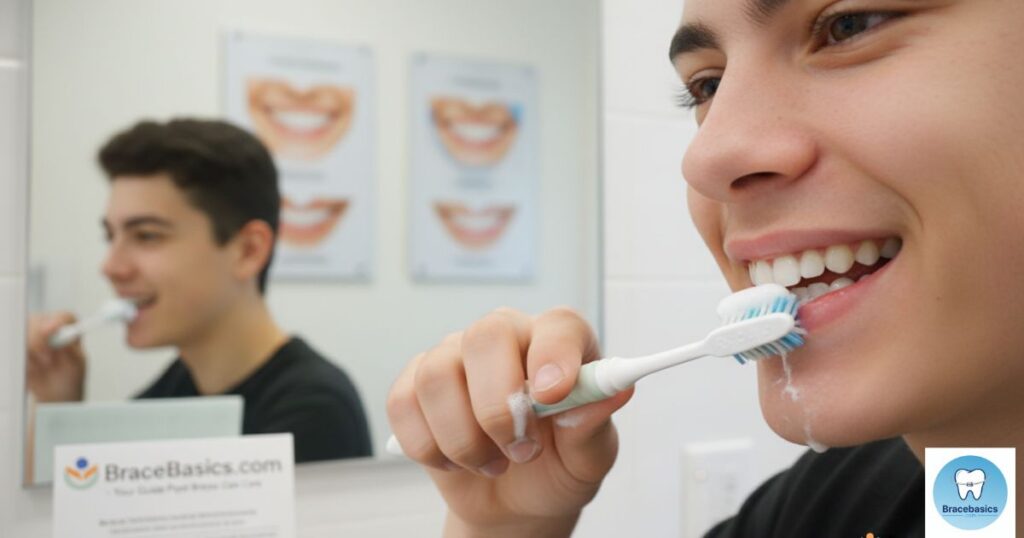
Proper post-braces teeth care is more than just brushing and flossing. Once braces are removed, teeth can shift easily, enamel can appear dull, and gums may be sensitive. Patients often underestimate the importance of retainers after braces and daily hygiene routines. Failure to care for your teeth immediately after braces can lead to white spot lesions, gum inflammation, or even dental emergencies after braces.
Maintaining gum health after braces is critical to prevent infection or soreness. Regular check-ups, careful brushing, and gentle flossing are necessary steps. Enamel protection after braces must also be prioritized, as newly exposed enamel can be weaker than usual. Small mistakes in this phase can have long-term effects on your oral health, so knowing what not to do after getting braces off is vital.
What Not to Do After Getting Braces Off? Short Answer
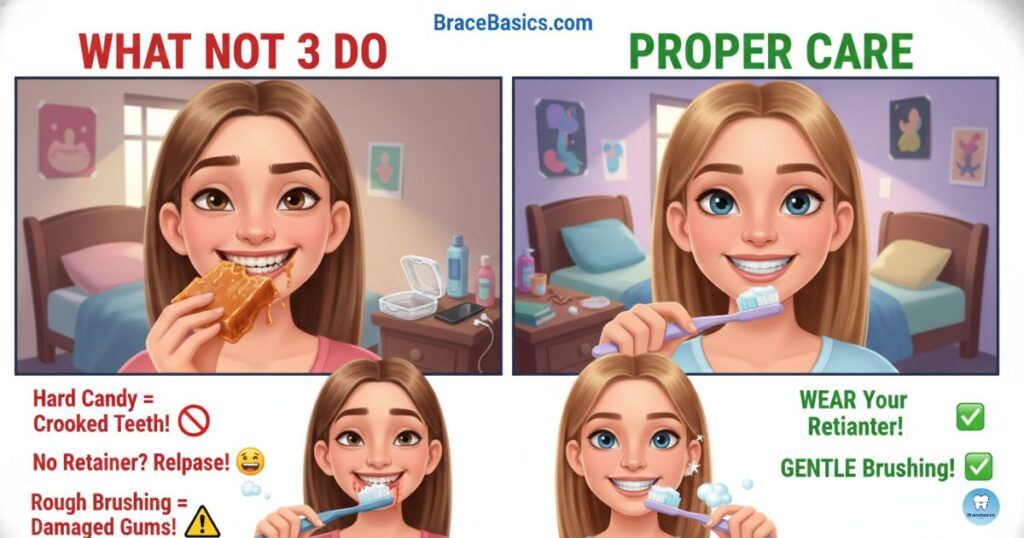
The most common mistakes include skipping your retainer, eating hard or sticky foods too soon, neglecting oral hygiene, and rushing into teeth whitening. Each of these habits can lead to teeth shifting prevention failure and discomfort. Understanding the consequences of skipping your retainer consequences or neglecting oral hygiene after braces ensures that your teeth remain in perfect alignment.
Other risks include ignoring sensitivity after braces removal, avoiding follow-up visits after braces, and using teeth as tools for opening packages. Recognizing these pitfalls early allows patients to implement preventive measures, such as proper retainer care and brushing and flossing after braces, which are essential for maintaining teeth alignment long-term.
10 Dangerous Habits to Stop Immediately
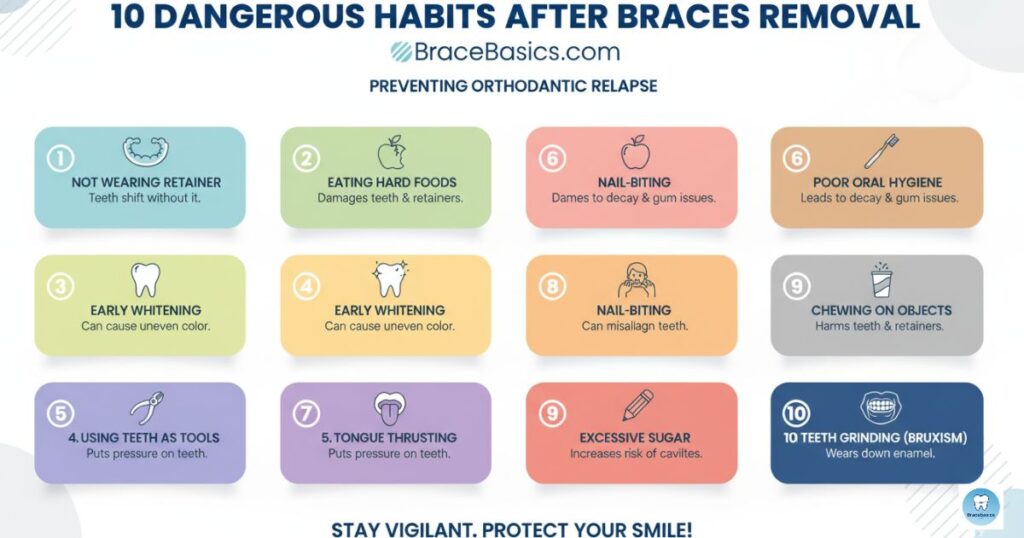
The ten most dangerous habits to avoid after braces removal are critical to prevent relapse and protect enamel. These include skipping your retainer, ignoring oral hygiene, consuming hard, sticky, or sugary foods, and failing to schedule dental follow-ups after braces. Others involve premature whitening, neglecting teeth shifting prevention, and using teeth as tools.
Avoiding these mistakes supports post-braces teeth care and reduces the risk of complications. Patients should follow a clear plan for retainers after braces, dietary changes, and gentle oral care to ensure orthodontic relapse prevention and gum health after braces.
What Happens Right After Braces Removal
Immediate Changes to Expect
After braces removal, teeth may feel loose or sensitive. Gums can appear red or slightly swollen, and the bite may feel different. These changes are normal and require careful monitoring. Tooth surfaces may reveal areas where plaque was previously hidden, emphasizing the importance of plaque and tartar removal.
Many patients notice slight gaps or irregularities immediately. Sensitivity after braces removal is common, especially when eating hot or cold foods. Proper braces off tips and gentle brushing routines can minimize discomfort and protect enamel from damage.
The Adjustment Period
The first few weeks after braces removal are crucial. Teeth continue to settle, and gums adjust to the absence of brackets. This is why retainers after braces must be worn consistently to maintain alignment. Post-orthodontic care during this period prevents minor shifts from becoming permanent.
During the adjustment period, maintaining oral hygiene after braces is vital. Brushing and flossing properly can prevent white spot lesions, and avoiding hard and sticky foods to avoid reduces stress on newly freed teeth.
Extra Care for Teeth After Braces Removal
Extra care includes soft brushing, rinsing with fluoride mouthwash, and monitoring gum health. Enamel protection after braces involves avoiding abrasive toothpaste and using sensitivity-friendly formulas. Patients should also track their retainer adjustments to ensure optimal fit and alignment.
Daily observation for warning signs teeth are shifting helps catch problems early. Incorporating gentle flossing, soft foods after braces, and careful chewing protects both gums and enamel during the sensitive post-debonding period.
1. Skip Wearing Your Retainer
First 48 Hours: Full-Time Wear
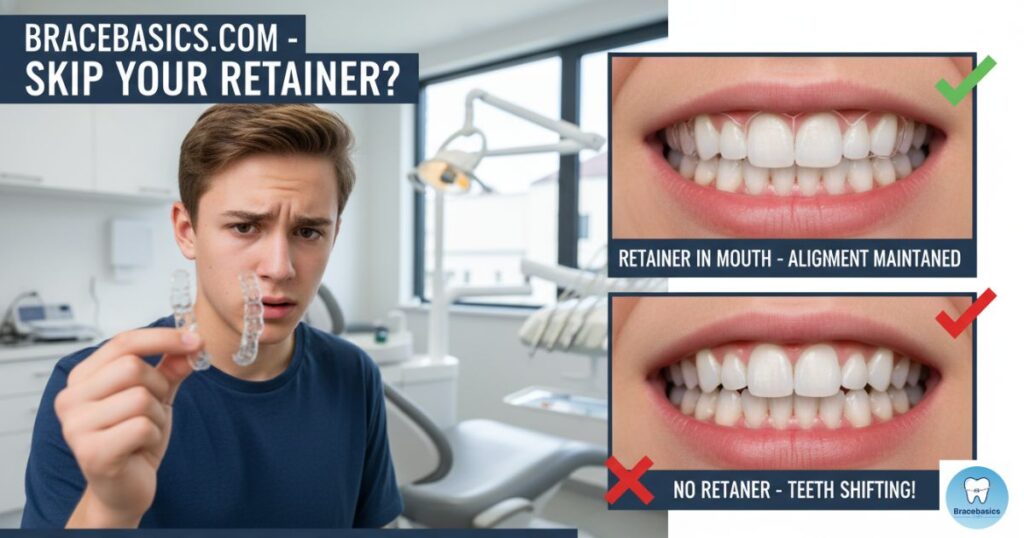
Skipping your retainer can reverse months of orthodontic work. During the first 48 hours, teeth are most prone to movement, and skipping your retainer consequences may include noticeable gaps or bite changes. Full-time wear is essential to lock teeth into position.
Long-Term Retainer Nights
Even after the first week, nightly wear remains important. Maintaining teeth alignment long-term requires consistent retainer use, which reduces the risk of orthodontic relapse prevention failure.
What to Do If Your Retainer Is Lost or Cracked
If a retainer is damaged or lost, contact your orthodontist immediately. Attempting to adjust teeth independently can cause irreversible damage. Proper retainer care ensures alignment stability and protects your investment in braces.
2. Neglecting Oral Hygiene
Enamel Color and White Spots
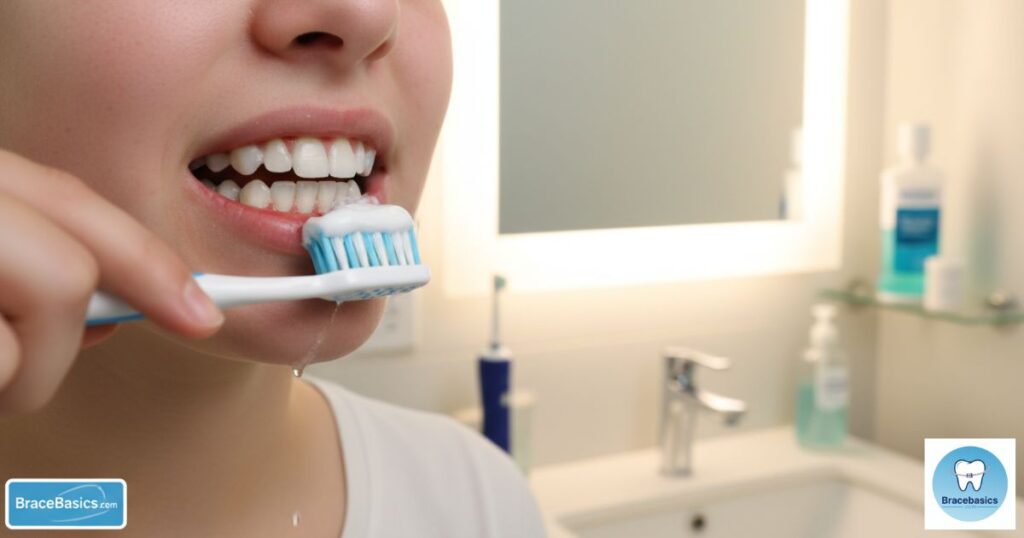
Neglecting oral hygiene after braces can lead to white spot lesions and enamel discoloration. Plaque accumulates in areas previously covered by brackets, and plaque and tartar removal is necessary to maintain brightness and prevent decay.
Swollen Gums and Minor Bleeding
Gums may bleed or swell after braces removal. Consistent brushing and flossing after braces improves gum health after braces and prevents infection. Skipping hygiene routines risks sensitivity, cavities, and long-term enamel damage.
3. Consuming Hard, Sticky, or Sugary Foods
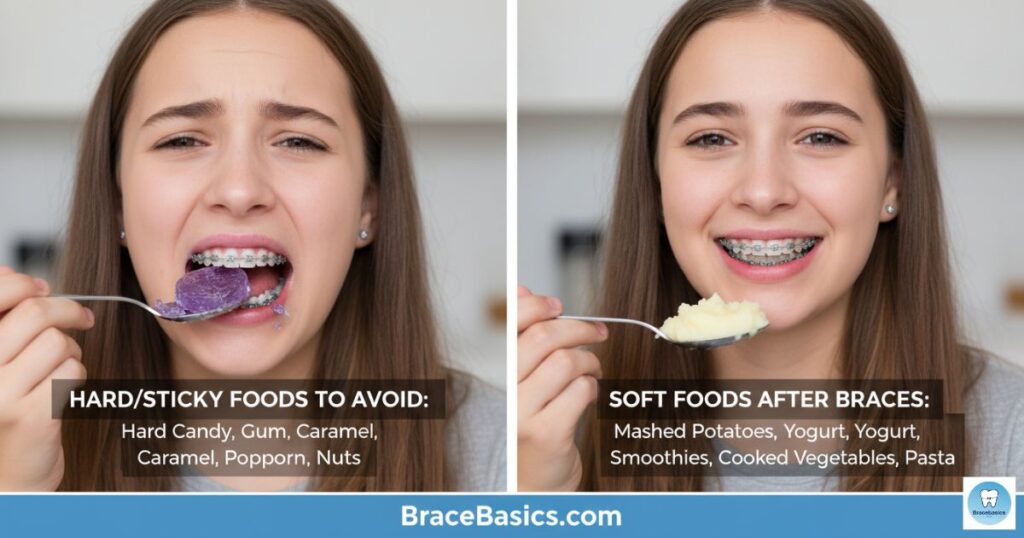
Sticky & Hard Foods That Harm Freshly Freed Teeth
Foods like caramel, taffy, nuts, and ice stress newly freed teeth. Eating these items can cause teeth shifting prevention issues and enamel damage. Soft foods after braces are safer and encourage recovery.
Pressure When Eating After Braces Removal
Chewing hard foods can trigger sensitivity after braces removal. Gradual reintroduction of normal diet ensures proper bite adjustment. Avoiding sudden pressure protects teeth from cracking or movement.
4. Failing to Schedule Regular Dental Visits
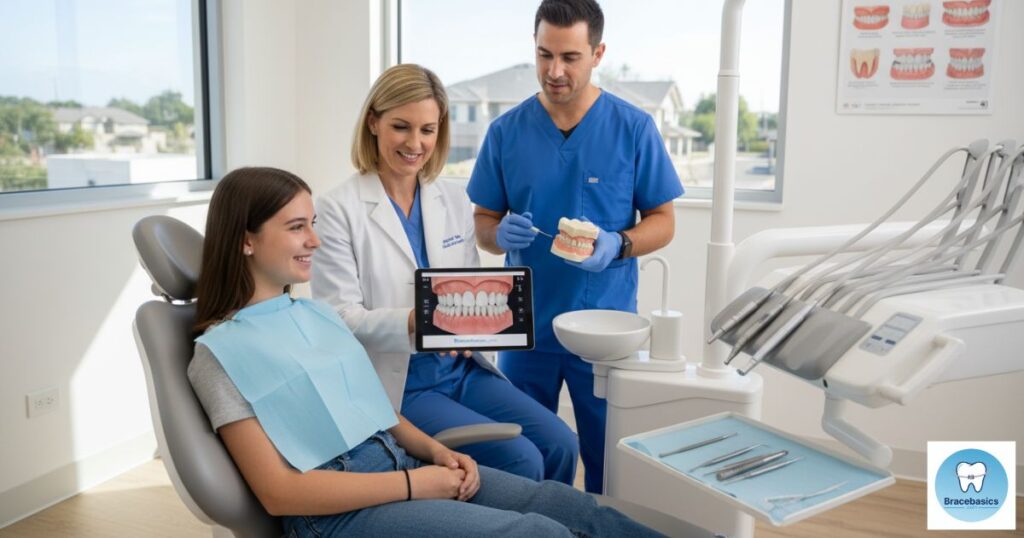
Regular Dental Check-Ups and Cleanings
Professional dental follow-ups after braces are essential. Routine cleanings remove plaque that brushing alone may miss. Professional dental cleaning prevents cavities and strengthens enamel after braces.
When Follow-Up Orthodontic Visits Matter
Orthodontic visits ensure retainer adjustments are correct and teeth remain aligned. Skipping follow-ups can result in orthodontic relapse prevention failure or hidden alignment problems.
5. Whitening Your Teeth Right Away
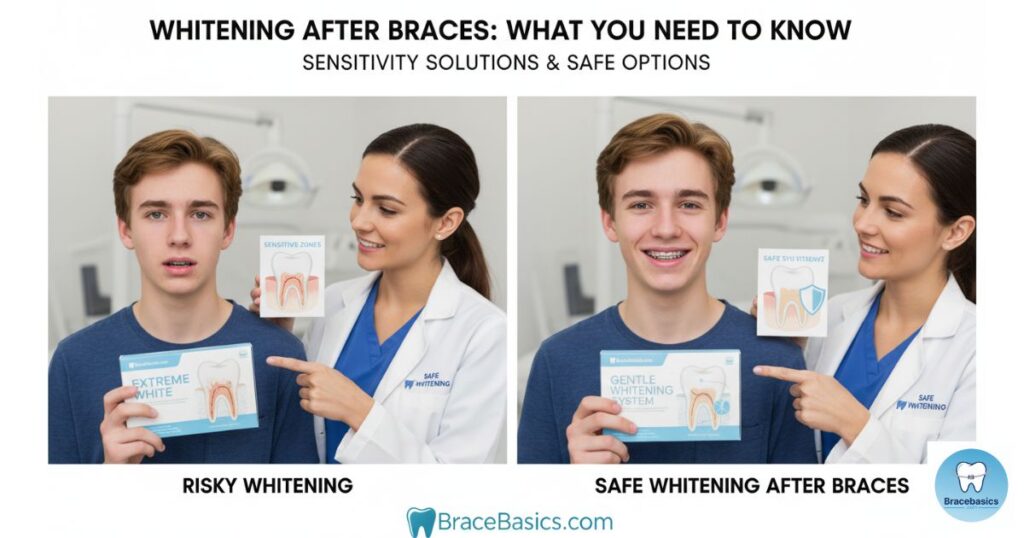
Whitening Toothpaste and Sensitivity
Immediate whitening after braces can worsen sensitivity after braces removal and cause uneven enamel. Using gentle toothpaste protects newly exposed surfaces and prevents protecting enamel after braces issues.
Professional vs. At-Home Whitening Timing
Safe whitening after braces should occur 1–2 weeks after removal. Professional treatments are more controlled, but safe teeth whitening options at home are also possible when following instructions.
6. Not Monitoring Teeth Shifting
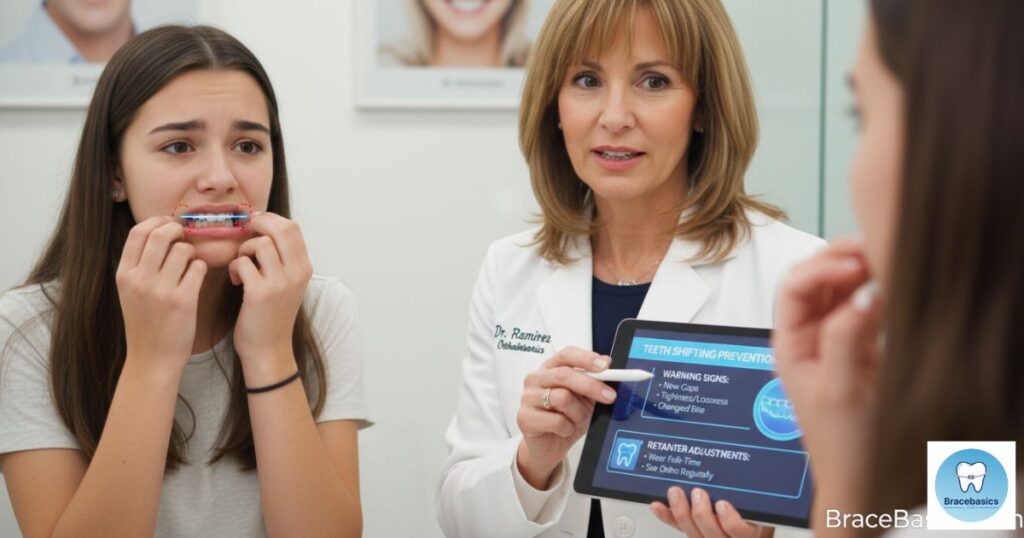
Why Teeth Shift After Braces
Teeth naturally revert to previous positions without retainers after braces. Early detection of warning signs teeth are shifting allows intervention before permanent misalignment occurs.
Three-Month Stabilization Window
The first three months are critical. Consistent retainer adjustments prevent movement and protect teeth alignment maintenance. Patience during this period ensures long-term success.
Signs Your Teeth Are Moving Again
Slight gaps, uneven bites, or discomfort signal that teeth are moving. Early attention prevents major corrections and reinforces orthodontic relapse prevention.
7. Ignoring Discomfort or Changes
Persistent Pain or Swelling
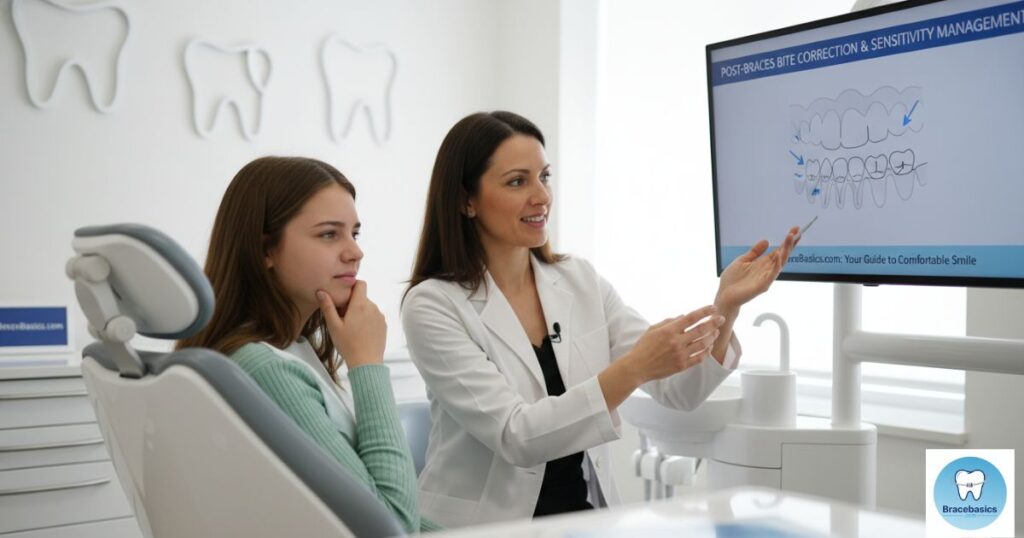
Ignoring discomfort can mask issues like infection or misalignment. Managing post-braces discomfort involves monitoring pain and consulting your dentist if swelling persists.
When Sensitivity Isn’t Normal
Sharp, localized pain is abnormal and may require intervention. Proper post-braces teeth care includes assessing unusual sensitivity to prevent permanent damage.
Bite Adjustment Period
Teeth naturally settle into their new positions. Observing braces off tips ensures adjustments occur safely without compromising alignment or causing dental emergencies after braces.
8. Using Your Teeth as Tools
Chewing on Pens or Nails
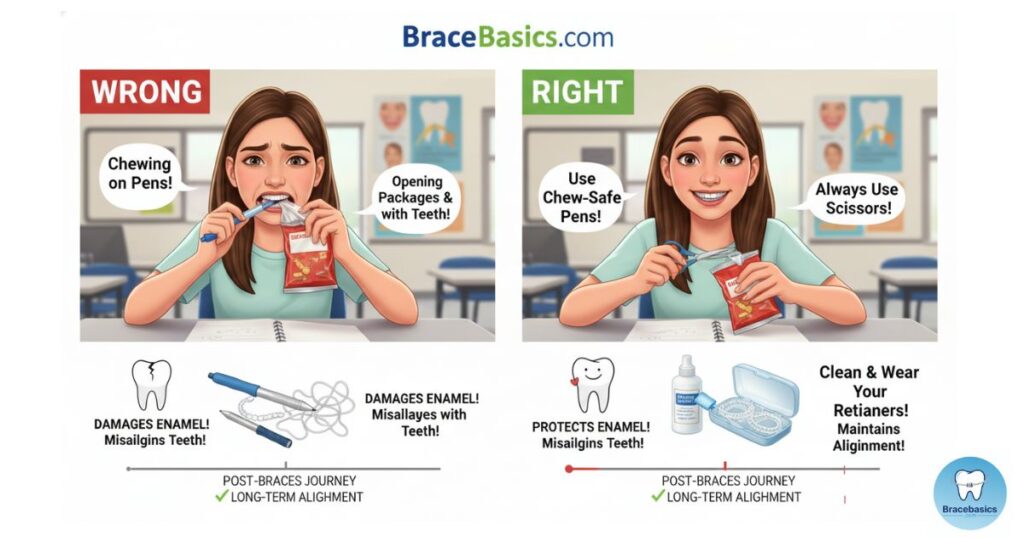
Avoid using teeth for non-eating tasks. Newly freed teeth are vulnerable, and habits like chewing pens can harm enamel. Proper retainer care and gentle chewing prevent damage.
Opening Packages or Biting Objects
Applying pressure to objects can shift teeth or cause fractures. Using scissors or utensils preserves enamel protection after braces and reduces the risk of tooth sensitivity post-debonding.
9. Diving Into Unrestricted Eating Too Quickly
Foods That Trigger Tooth Sensitivity
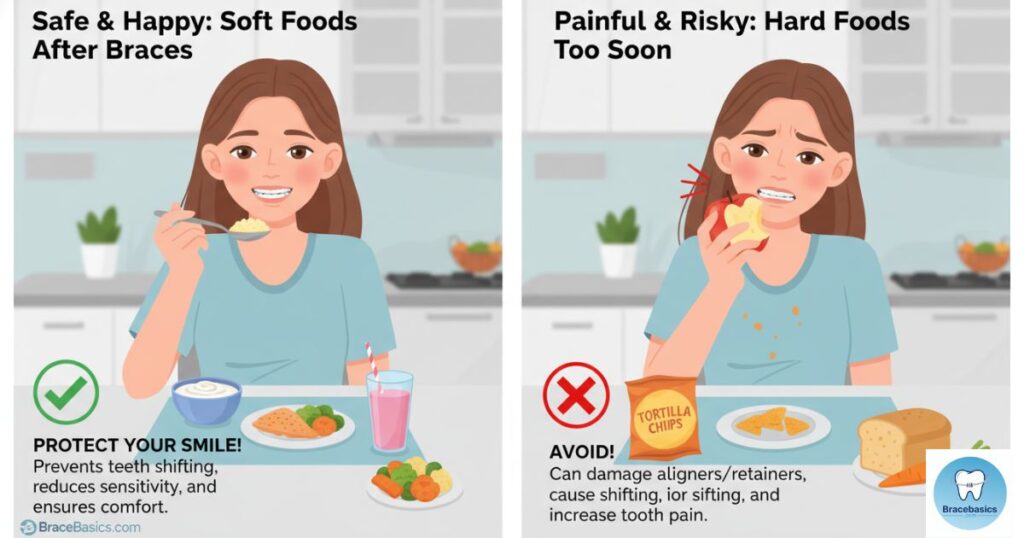
Hot, cold, or acidic foods can intensify sensitivity after braces removal. Patients should follow soft foods after braces recommendations initially.
How to Safely Reintroduce Hard Foods
Gradually increasing chewing pressure helps teeth adapt safely. Observing braces off tips during reintroduction prevents enamel damage and preserves alignment.
10. Forgetting About Post-Braces Oral Care Products
Fluoride & Sensitivity Toothpaste
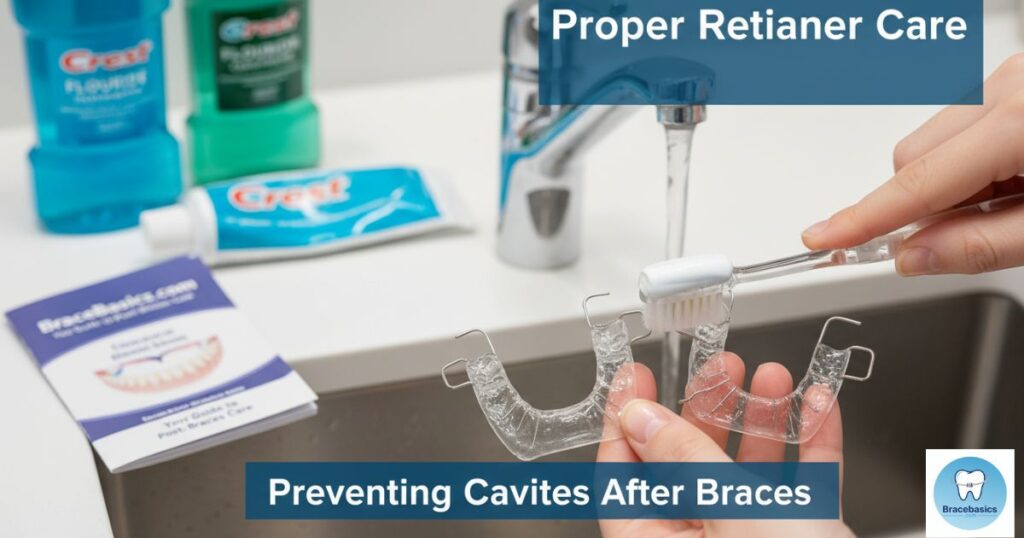
Using fluoride toothpaste protects enamel and reduces sensitivity after braces removal. Daily care supports preventing cavities after braces and long-term dental health.
Cleaning Tips for Clear and Hawley Retainers
Cleaning retainers daily prevents bacteria buildup. Correct retainer adjustments ensure maintaining teeth alignment long-term and contribute to overall post-braces teeth care.
Common Side Effects After Braces Are Removed
Temporary Tooth Sensitivity
Sensitivity is common immediately post-debonding. Using gentle brushing techniques and fluoride products reduces discomfort. Brushing and flossing after braces helps teeth adapt safely.
Mild Jaw Stiffness
Jaw muscles may feel sore due to bite adjustments. Gentle exercises and soft foods after braces alleviate stiffness and prevent managing post-braces discomfort issues.
Tongue and Cheek Irritation
Soft tissue irritation occurs as tissues adapt to the absence of brackets. Saltwater rinses or orthodontic wax can soothe discomfort and protect gum health after braces.
How Long Until Teeth Fully Settle After Braces Off?
Understanding the Stabilization Period
Teeth require approximately 3–6 months to fully settle. Consistent retainers after braces and careful monitoring prevent orthodontic relapse prevention failure.
Long-Term Retainer Routine
Nightly retainer wear can continue for years. Following proper retainer care and retainer adjustments ensures maintaining teeth alignment long-term and a confident, lasting smile.
When to Contact a Dental Professional
Retainer No Longer Fits
Ill-fitting retainers threaten alignment. Immediate replacement or adjustment is critical to maintain teeth alignment maintenance.
Severe Sensitivity or Swelling
Persistent pain, swelling, or gum inflammation signals potential problems. Consult a dentist to prevent dental emergencies after braces.
Sudden Teeth Movement
Unexpected gaps or shifting teeth require prompt evaluation. Early intervention supports orthodontic relapse prevention and long-term oral health.
Additional Tips to Protect Your New Smile
Daily Routines for Long-Term Results
Brushing twice daily, flossing carefully, using fluoride toothpaste, and maintaining retainers after braces are essential. Regular professional dental cleaning and follow-up visits after braces reinforce tips to protect your new smile.
FAQs
What to do right after you get your braces off?
Right after your braces are removed, focus on gentle post-braces teeth care. Brush and floss carefully to remove leftover plaque, wear your retainers after braces as instructed, and stick to soft foods for a few days. Monitor gum health after braces and avoid hard or sticky foods to protect your enamel. Using fluoride toothpaste can prevent white spot lesions and strengthen your teeth.
Do and don’ts after getting braces?
Do maintain excellent oral hygiene after braces, wear your retainer as instructed, eat soft foods, and schedule dental follow-ups after braces. Don’t skip your retainer, eat hard or sticky foods too soon, or try whitening immediately. Avoid using teeth as tools and monitor for sensitivity after braces removal. Following these habits ensures teeth alignment maintenance and protects your enamel.
How long should you wait to eat after getting braces off?
It’s best to stick to soft foods after braces for the first 24–48 hours. Gradually reintroduce harder foods while monitoring tooth sensitivity post-debonding. Eating too soon can stress newly freed teeth and disrupt retainers after braces, increasing the risk of shifting. Always chew gently until your bite fully adjusts.
Can you brush your teeth after getting braces off?
Yes, but gently. Use a soft-bristled toothbrush and fluoride toothpaste to avoid damaging enamel. Focus on areas where plaque and tartar removal may be needed due to prior brackets. Brushing and flossing correctly immediately after removal protects gum health after braces and prevents white spot lesions, keeping your smile bright.
What not to do after braces off?
Do not skip your retainer, neglect oral hygiene after braces, eat hard, sticky, or sugary foods, or attempt whitening too soon. Avoid using teeth as tools and ignore sensitivity after braces removal. Skipping follow-up visits, rushing diet reintroduction, or failing teeth shifting prevention can undo your orthodontic results. Following proper post-braces teeth care ensures your smile stays perfect.
Conclusion
Proper post-braces teeth care is crucial to keep your smile healthy and straight. Avoiding habits like skipping retainers, neglecting hygiene, or rushing whitening ensures teeth alignment maintenance. Consistent care, dietary mindfulness, and professional supervision allow your teeth to stay strong, your enamel protected, and your smile confident for life.
Table: Key Post-Braces Care Tips
| Habit to Avoid | Recommended Action | Notes |
| Skipping retainer | Wear full-time first 48 hours | Then nightly for long-term |
| Hard/sticky foods | Soft foods initially | Gradually reintroduce |
| Whitening immediately | Wait 1–2 weeks | Use safe whitening options |
| Neglecting hygiene | Brush & floss daily | Prevent white spot lesions |
| Ignoring discomfort | Consult dentist | Prevent dental emergencies |
| Using teeth as tools | Avoid biting objects | Protect enamel and alignment |
References
- Braces Removal Process: What to Expect, If it Hurts, Aftercare — Healthline.
- Retainers After Braces: Types And Maintenance — Colgate Oral Health.
- What Happens After Your Braces Are Removed? — RRC Orthodontics Blog.
- Orthodontic Relapse after Fixed or Removable Retention Devices — F. Inchingolo et al., MDPI.
- Post‑Orthodontic Care for Lasting Results — Bracem.com.
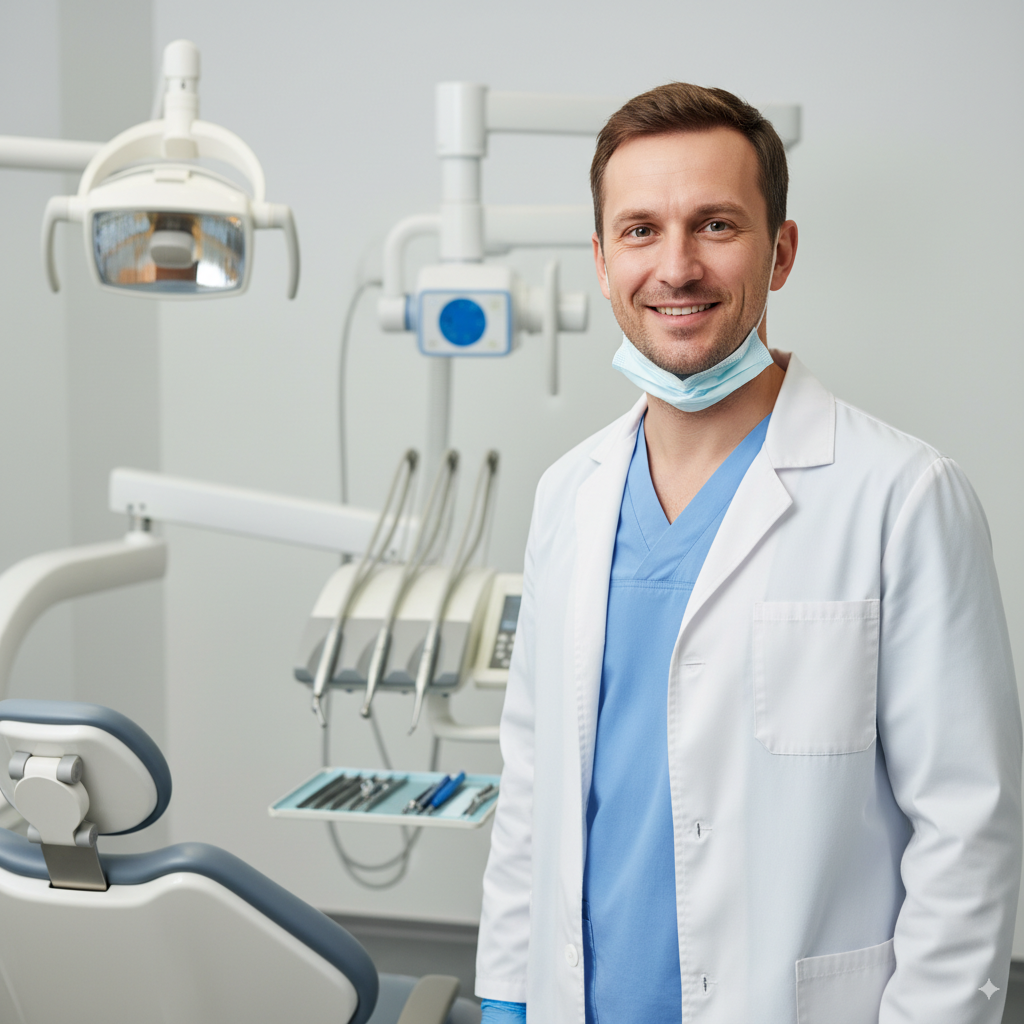
Hi, I’m Dr. Martin, the founder of BraceBasics.com. With years of experience in orthodontics, I’ve made it my mission to simplify braces care for patients of all ages. Here, you’ll find easy-to-understand advice, practical tips, and reliable resources to make your braces journey smoother, healthier, and stress-free. My goal is to help you smile with confidence every step of the way.