
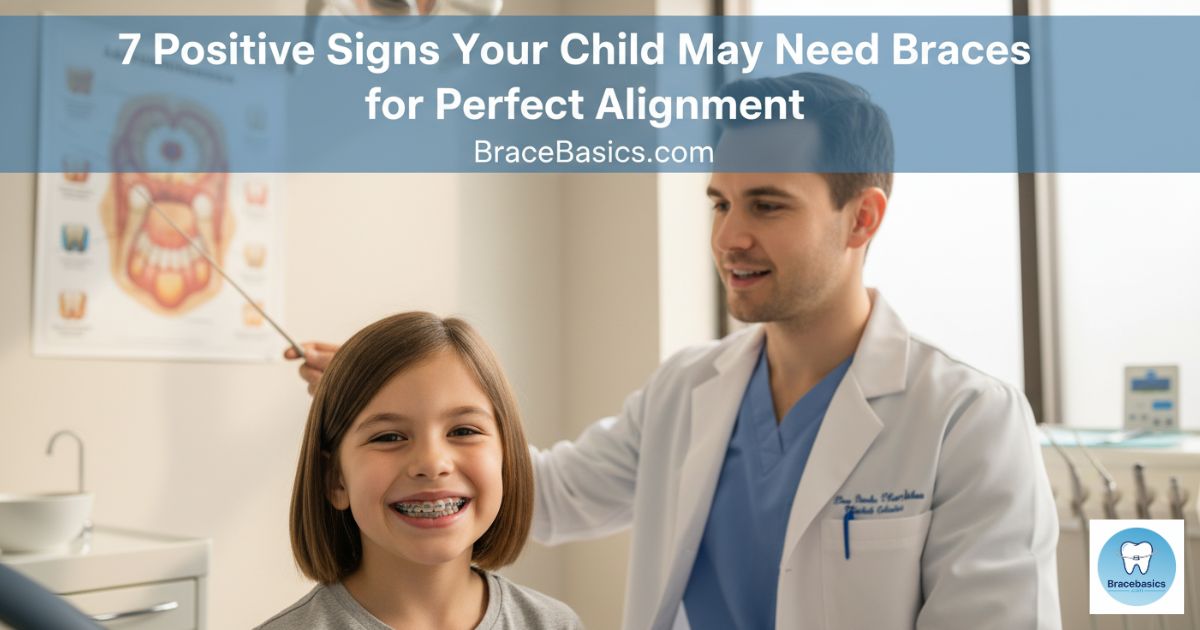
Finding the right time for your child’s orthodontic evaluation for kids matters. When you understand the early signs of needing braces, you help prevent long-term dental alignment issues in children. This article uses easy English and friendly explanations to help you spot important signals that your child may benefit from braces for kids age 7 or older and begin a plan for healthy teeth and jaws.
Why Early Detection Matters
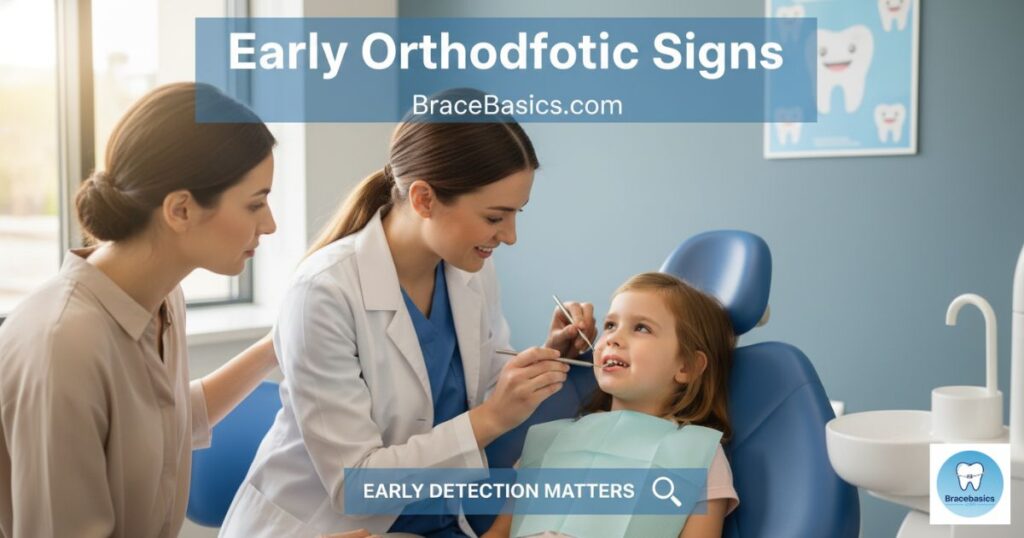
When you catch dental alignment issues in children early, the treatment tends to be gentler, simpler and often shorter. An early look means you can see how the jaws and teeth are growing rather than waiting for a big problem to form. Experts recommend an early check to see when should a child get braces and whether early steps can guide growth. (American Association of Orthodontists)
Early detection makes a difference because the child’s bones are still growing and the teeth still moving. That means crooked teeth in kids, crowded teeth in children, or gaps between teeth can often be corrected with less invasive methods rather than full treatment later.
How Braces Help Achieve Perfect Teeth Alignment
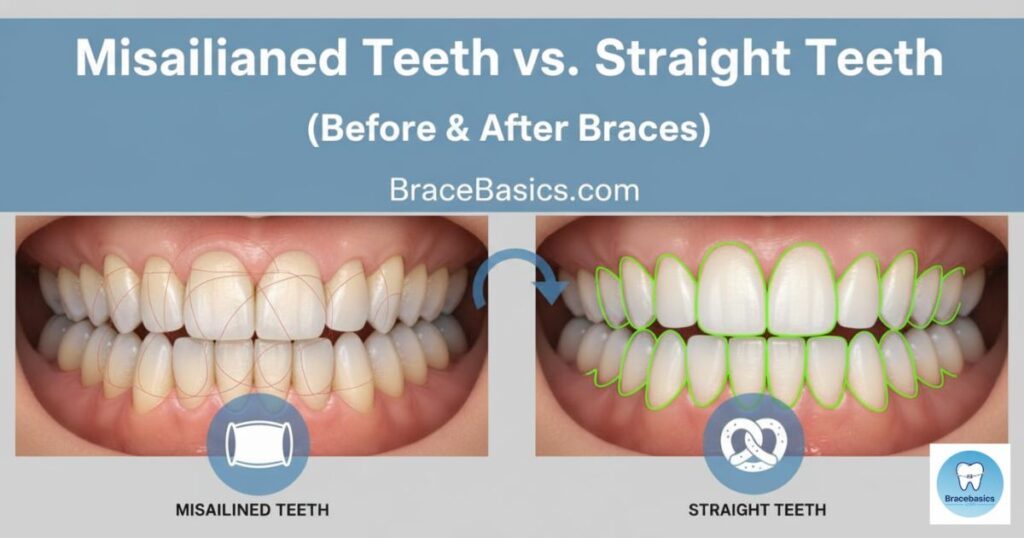
Braces or clear aligners apply gentle pressure to move teeth into the right place and to adjust the jaw growth so the bite becomes balanced. This process addresses permanent teeth alignment problems, ensures correct jaw growth, and improves both function and smile.
By intervening early, braces help avoid more serious problems like extraction of healthy teeth or jaw surgery. This underscores the benefits of scheduling a child orthodontic consultation when you notice signs.
The Importance of Spotting Signs Early
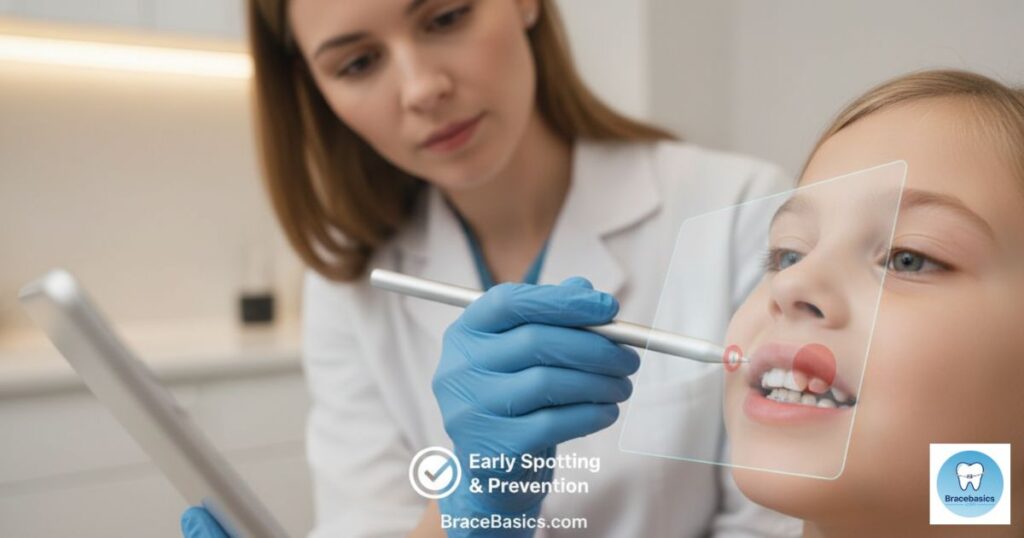
If a habit like thumb sucking continues past age five or six, or if your child is breathing through the mouth, you should not wait. These are clues of underlying issues such as jaw growth problems or bite abnormalities. A timely evaluation lets the orthodontist decide on what age should kids get braces and whether simple appliances or full braces will be needed later.
Initial visits often reveal subtle issues before they escalate. Some children may only need monitoring while others require active treatment. The key is to act before issues become bigger, costlier or more discomforting. Here are 7 Positive Signs Your Child May Need Braces for Perfect Alignment:
1. Crowded or Overlapping Teeth
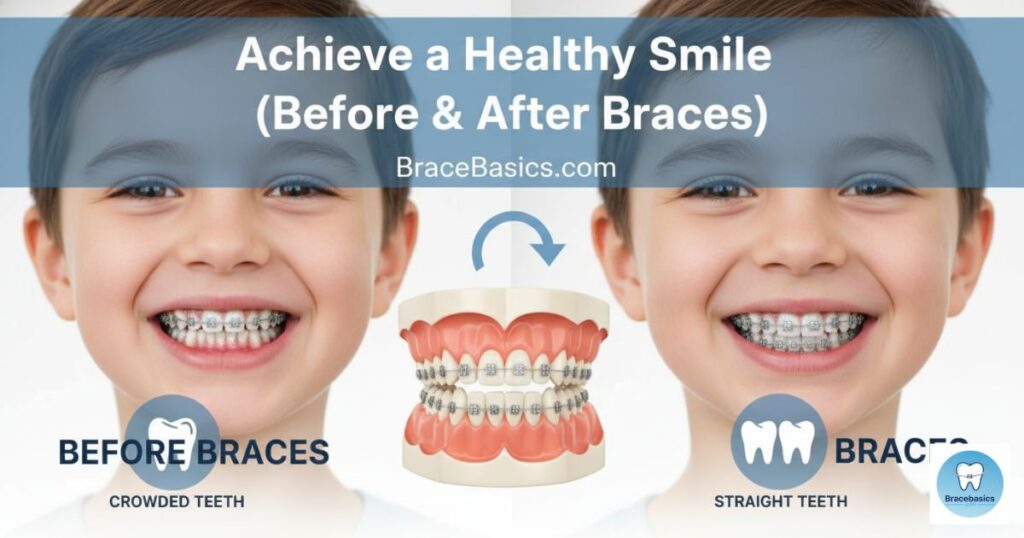
Crowded or overlapping teeth appear when there isn’t enough space in the jaw for teeth to line up neatly. This is a common form of teeth spacing issues and a clear sign of signs of misaligned teeth in children.
When you see small teeth stuck out of line, or front teeth overlapping others, you are observing one of the 7 positive signs your child may need braces for perfect alignment.
Why Crowding Happens
Crowding may stem from inherited traits like a small jaw paired with large teeth, or from early loss of baby teeth, which disrupts the guides for their permanent successors. The result is blocked eruption of permanent teeth or misalignment of the entire arch.
It also happens when baby or permanent teeth appear out of sequence or the jaw fails to grow enough. These are signs that an orthodontic exam is warranted.
How Braces Can Fix It Gently
Braces for kids or teens place consistent and controlled pressure on teeth to shift them into correct positions. They expand the arch or create necessary space, aligning teeth and improving the bite.
This correction enhances oral health and braces outcomes because properly aligned teeth are easier to clean and less likely to trap food. Improved hygiene reduces risk of cavities and gums issues.
2. Gaps Between Teeth
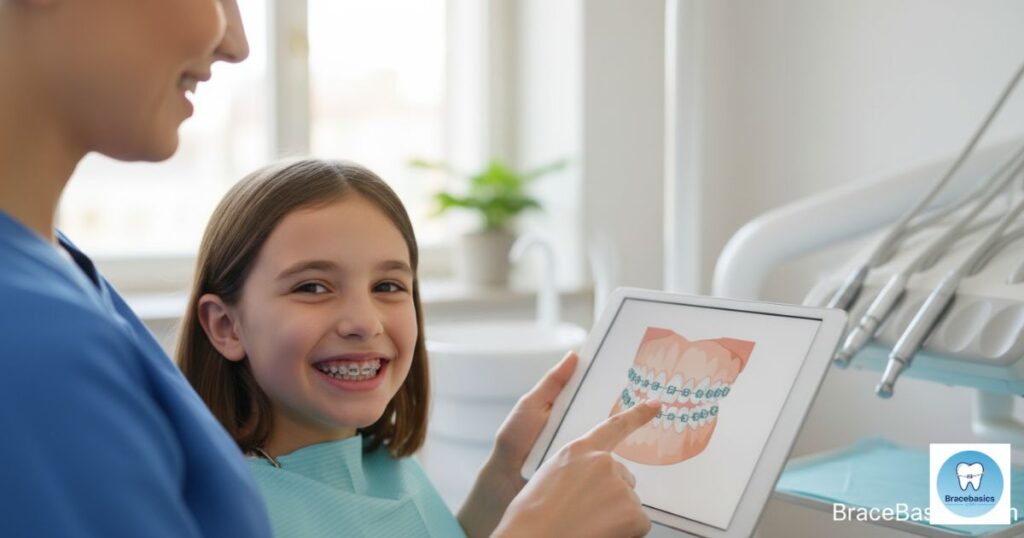
Gaps between teeth can be more than cosmetic—they often reflect teeth spacing issues or delayed eruption of permanent teeth. These open spaces may hint at reduced function and are another of the 7 positive signs your child may need braces for perfect alignment.
Even slightly noticeable gaps can affect chewing and speech or indicate the jaw is growing too large or teeth are smaller than typical.
Small Spaces That Can Affect Smile Balance
A gap between teeth may cause misalignment of other teeth over time or shift the bite. Such spacing can create weak points where gum disease or decay may develop because cleaning becomes more difficult.
Additionally, gaps may lead to self-consciousness in children about their smile. Early attention prevents future complications of what happens if baby teeth fall out too soon or other spacing issues.
Braces Bring Teeth Together Naturally
Traditional metal braces, lingual braces for children, or clear aligners apply force to move teeth inward and close gaps. This corrects how braces help improve smile alignment by creating even contact between teeth.
Proper closure of gaps supports better chewing, clearer speech, and a stronger jaw-tooth relationship. That means fewer issues later like uneven wear or bite misalignment.
3. Lost Baby Teeth Too Early or Too Late
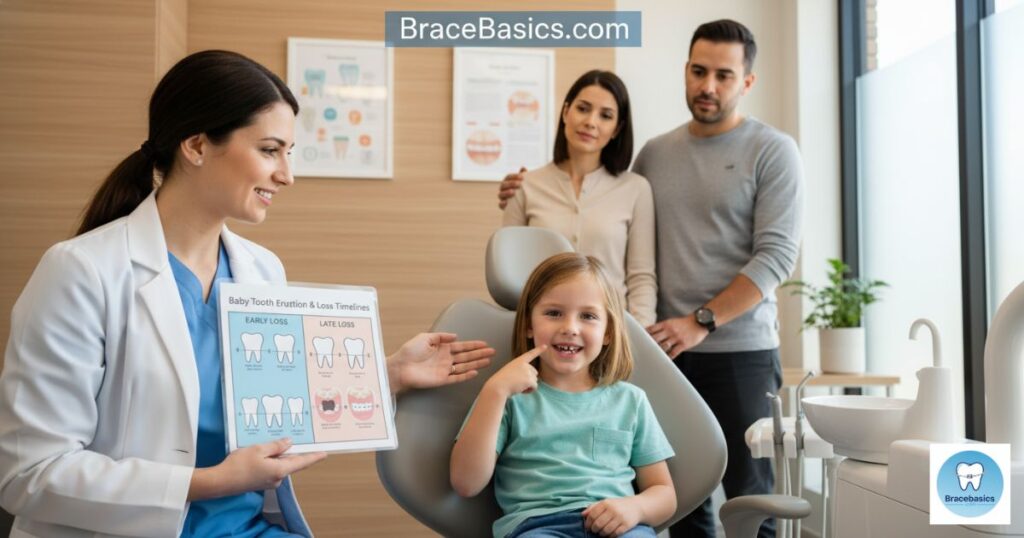
When baby teeth come out too early or linger too long, it can disrupt the timing and path of permanent teeth alignment problems. This timing mismatch is another key signal among the 7 positive signs your child may need braces for perfect alignment.
The eruption of permanent teeth and jaw growth are coordinated. Deviations indicate possible future need for braces or other early interventions.
Why Timing of Baby Teeth Matters
Baby teeth act as placeholders and guides for permanent teeth. Losing them prematurely may let adjacent teeth drift and block the path of permanent arrivals. Conversely, if they stay too long, they may prevent proper eruption or force permanent teeth to come in at odd angles.
Both scenarios increase the chances of needing braces later and affect what to do before getting braces.
How Irregular Tooth Loss Signals Misalignment
Orthodontists use evaluation to check eruption patterns, crowding, spacing, and jaw development. When children show these irregularities, they may require early appliance therapy or full braces in the near future.
Recognizing early or late loss of baby teeth allows for interceptive treatment that often simplifies or reduces full-phase braces duration.
4. Thumb Sucking or Other Oral Habits
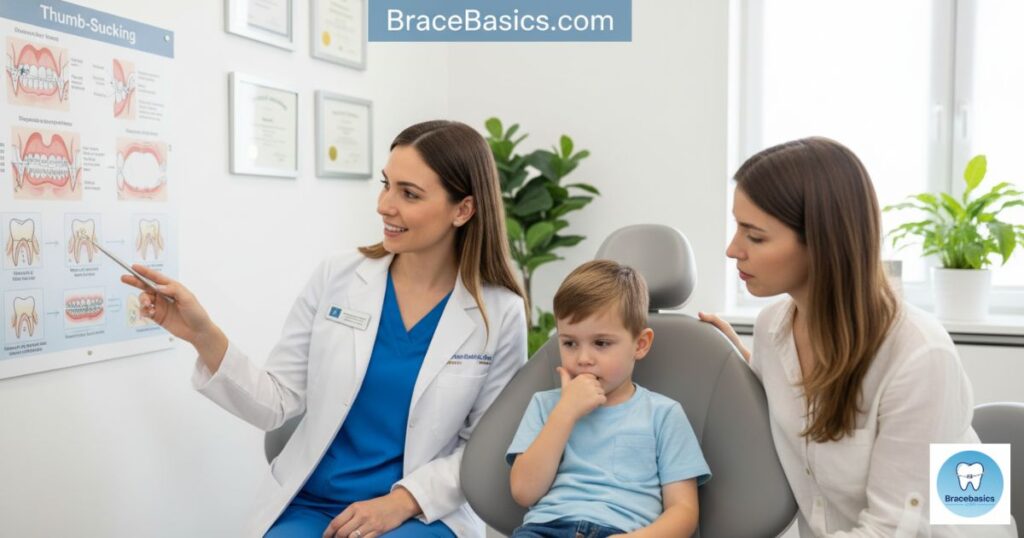
Children who continue thumb sucking or tongue thrusting past age 4 or 5 may cause alignment issues and increase need for braces. These habits are strong indicators among the 7 positive signs your child may need braces for perfect alignment and relate to thumb sucking and braces discussions.
Such habits push teeth forward or change the shape of the palate, affecting both alignment and bite.
How Habits Can Shift Teeth Out of Place
Persistent thumb sucking creates pressure in the mouth that moves front teeth outward, opens the bite, or compromises jaw growth. It may also lead to overbite and underbite in kids. Mouth breathing often goes hand in hand with such habits and worsens jaw development.
The consequences are not just cosmetic—they can interfere with function, speech, and oral health.
Gentle Correction with Braces or Retainers
Orthodontic treatment in these cases may begin with habit-breaking appliances or partial braces; then transition into full treatment as needed. Early child orthodontic consultation helps decide whether a retainer or expander is sufficient.
Correcting habits early often prevents extended orthodontic care and improves treatment outcomes for braces for kids.
5. Breathing Through the Mouth
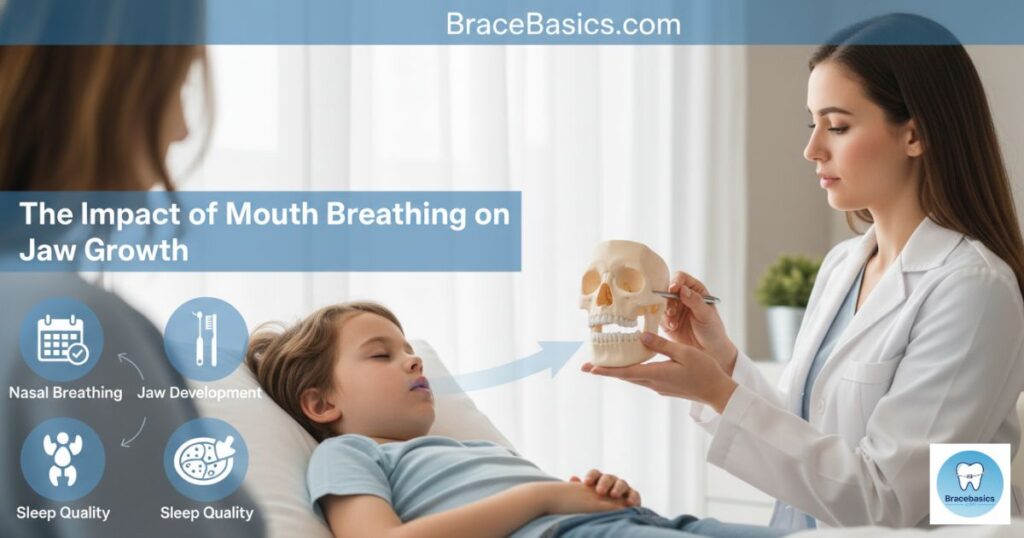
A child breathing primarily through the mouth may suffer from underlying jaw or airway issues. This is a red flag for mouth breathing and jaw development concerns and figures into the list of 7 positive signs your child may need braces for perfect alignment.
Mouth breathing often alters the natural down-and-forward growth of the jaw and may result in narrow arches, misaligned bites or poor facial development.
What Mouth Breathing Tells About Jaw Growth
When the tongue rests low instead of against the palate and the mouth remains open, the upper jaw may narrow and the lower jaw may fall back. This leads to restricted space, overbite and underbite in kids, and alignment issues.
These conditions often appear during an orthodontist appointment for kids and require early intervention.
Braces Help Improve Jaw and Bite Balance
Orthodontic treatment may include expanders, braces or other appliances that open up the jaw and correct the bite. These measures support healthier airway function, better alignment, and a more stable smile.
Through this approach you address not only my child has crooked teeth but also the underlying cause, enhancing both appearance and oral function.
6. Underbite or Overbite
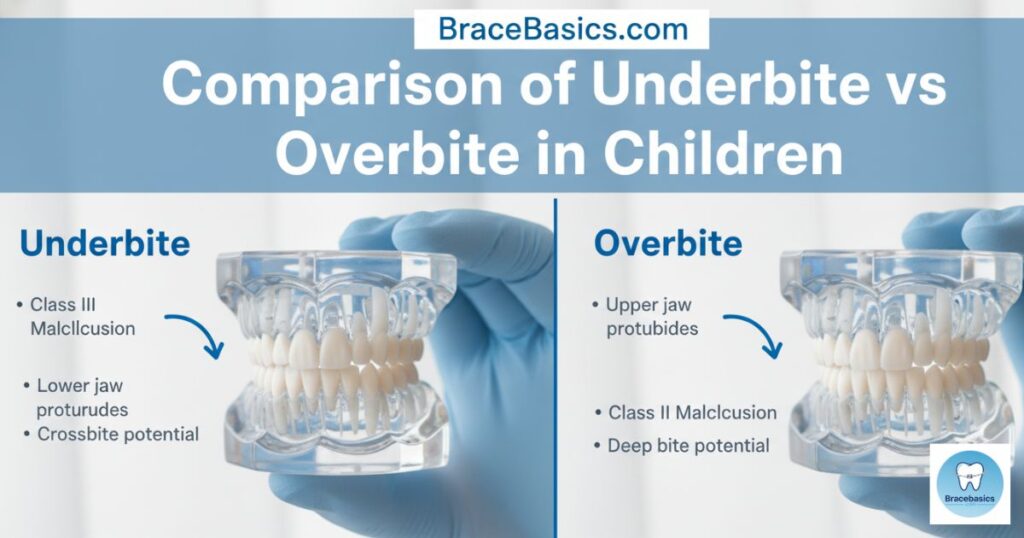
An underbite occurs when the lower front teeth sit ahead of the upper front teeth, and an overbite is where upper front teeth significantly overlap the lower. These are major signs your child may need orthodontic care and important among the 7 positive signs your child may need braces for perfect alignment.
Bite problems affect chewing, speech, jaw function and long-term dental health.
Signs of Bite Problems in Children
You might notice your child’s jaw shifts when biting, the lower front teeth contact the upper gums, or the upper front teeth rest far ahead of the lower. These are simply signs of misaligned teeth and invite early evaluation.
Left untreated, bite issues may lead to jaw pain, uneven tooth wear or even TMJ disorders later in life.
Correcting Bite Issues for a Perfect Smile
Treatment methods may include traditional metal braces, lingual braces for children or Invisalign for kids (depending on age and development). These devices align teeth, guide jaw growth and restore a harmonious bite.
Corrective care at a younger age often yields better results with shorter treatment time and fewer future risks.
7. Difficulty Chewing or Speaking
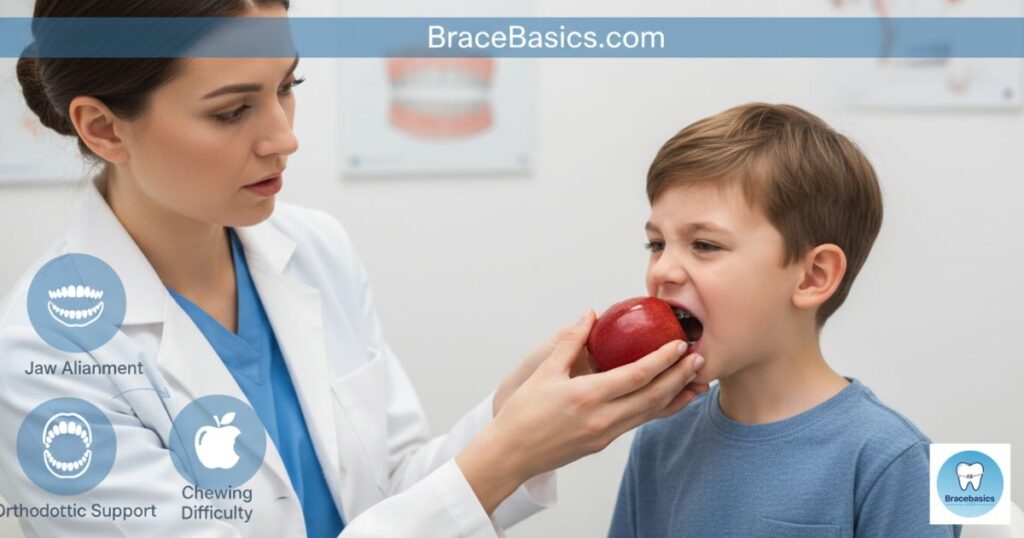
If your child struggles to chew effectively or has trouble pronouncing certain words, you may be observing one of the 7 positive signs your child may need braces for perfect alignment. These functional issues often stem from crooked teeth in kids or alignment problems of the jaw.
Watching for these signs helps you answer does my child need braces and ensures an appropriate plan begins.
Why Chewing Problems Show Misalignment
When teeth don’t align properly or the bite is off, chewing becomes inefficient and may cause discomfort, jaw fatigue or uneven tooth wear. Speech issues may arise when front teeth or jaw shape interfere with tongue placement.
Recognizing these issues early means you can address them before they become entrenched habits.
How Braces Restore Comfort and Confidence
Braces, whether traditional metal braces, lingual braces for children or clear aligners (such as Invisalign for kids), restore normal bite function and improve speech clarity. After treatment, children often feel more confident about their smile and oral function.
This is a key part of benefits of braces for kids—not only better alignment but improved self-confidence and healthier oral habits.
When Is the Best Age to Get Braces?
Determining what age should kids get braces depends on dental development, jaw growth and individual needs. Many practitioners agree the best time to start full treatment is between ages 9 and 14, when most permanent teeth are in place and growth is ongoing. (Ahava Orthodontics)
However the initial orthodontic evaluation for kids should occur by age 7, as recommended by the American Association of Orthodontists (AAO) to check for alignment or jaw issues early. (American Association of Orthodontists)
Ideal Age Range for Orthodontic Treatment
Starting braces when the mouth is still growing allows for more efficient movement and often fewer extractions or surgeries later. Treatment in the early teen years uses natural growth to advantage and often produces excellent results.
Parents should consult an orthodontist to decide when to initiate appliance treatment and how long the orthodontic treatment duration might be for their child.
Early Evaluations Help Avoid Future Issues
An early visit allows the orthodontist to monitor jaw growth, tooth eruption, habit influences (like thumb sucking and braces) and airway development. Early detection can mean shorter treatment times and simpler appliances.
Keeping an eye on growth rather than rushing into full treatment can lead to healthier alignment and fewer concerns later.
How Long Do Kids Usually Wear Braces?
The length of time a child wears braces depends on complexity of the case, cooperation, oral hygiene during treatment and growth patterns. On average most kids wear braces for about 18 to 24 months, with some cases shorter or longer depending on severity. (Verywell Family)
Regular follow-ups, good brushing habits (dental hygiene with braces) and avoiding habits that sabotage alignment all contribute to smoother and faster treatment.
How Long Do You Have to Wear Braces?
Average Duration and What Parents Can Expect
During treatment children typically visit the orthodontist every 8-12 weeks for adjustments. The removable phase (retainers) follows after active alignment and may be lifelong to maintain results.
Good alignment not only improves smiles but supports better oral health, fewer cavities, and less gum disease thanks to easier cleaning. That speaks to the broader oral health and braces benefits for kids.
| Treatment Stage | Typical Duration |
| Phase 1 (interceptive) | A few months to a year |
| Full braces | 12-24 months (average) |
| Retainer phase | Lifelong maintenance |
FAQs
How do I know if my child really needs braces?
You can tell if your child needs braces by watching for early signs of misalignment such as crowded teeth, gaps between teeth, or difficulty chewing or speaking. Other indicators include mouth breathing, thumb sucking, or an overbite and underbite in kids.
The best way to confirm is through an orthodontic evaluation for kids. During this checkup, the orthodontist examines jaw growth, tooth spacing, and bite alignment. They may use X-rays or digital scans to assess how the permanent teeth are developing. Early detection ensures simpler and shorter treatment later.
What’s the best age to start braces?
The best age for braces usually falls between 9 and 14 years old, once most permanent teeth have grown in. However, the American Association of Orthodontists recommends a child orthodontic consultation by age 7.
At this age, a specialist can identify dental alignment issues in children such as crowded teeth, overbites, or jaw growth problems early. Some kids might not need braces right away, but starting monitoring early helps plan the ideal time for orthodontic treatment.
When are braces medically necessary for kids?
Braces are medically necessary when a child’s teeth or jaw alignment causes functional problems like difficulty chewing, speech issues, or jaw pain. Conditions such as severe crowding, underbite, or crossbite can affect oral health and braces become essential to prevent long-term issues.
Without correction, these problems can lead to tooth wear, gum recession, and even digestive discomfort from poor chewing. So, braces aren’t just for looks—they’re vital for healthy bite function and jaw development.
At what age do you know if your child needs braces?
You can usually tell if a child needs braces around age 6 to 9, when the baby teeth start falling out and permanent teeth begin to appear. Signs like crooked teeth in kids, mouth breathing and jaw development issues, or early or late loss of baby teeth are early red flags.
By age 7, orthodontists can evaluate whether your child’s jaw growth or tooth spacing issues need early intervention. Detecting problems early helps achieve perfect alignment with lighter, faster treatments such as Invisalign for kids or traditional metal braces later on.
Final Thoughts — A Confident Smile Starts Early
Scheduling a timely orthodontist appointment for kids sets the stage for a healthy, confident smile and better oral function. Braces are not merely about straight teeth—they are a vital step in supporting jaw growth, correct bite, and improved speech, all of which contribute to self-confidence after braces in children.
Encouraging when to visit an orthodontist for kids, monitoring for signs such as crowded teeth, gaps between teeth, mouth breathing or thumb sucking and then acting accordingly keeps your child ahead of alignment issues rather than playing catch-up later. With early detection, good orthodontic care and consistent dental hygiene your child can enjoy a beautiful, well-aligned smile that lasts.
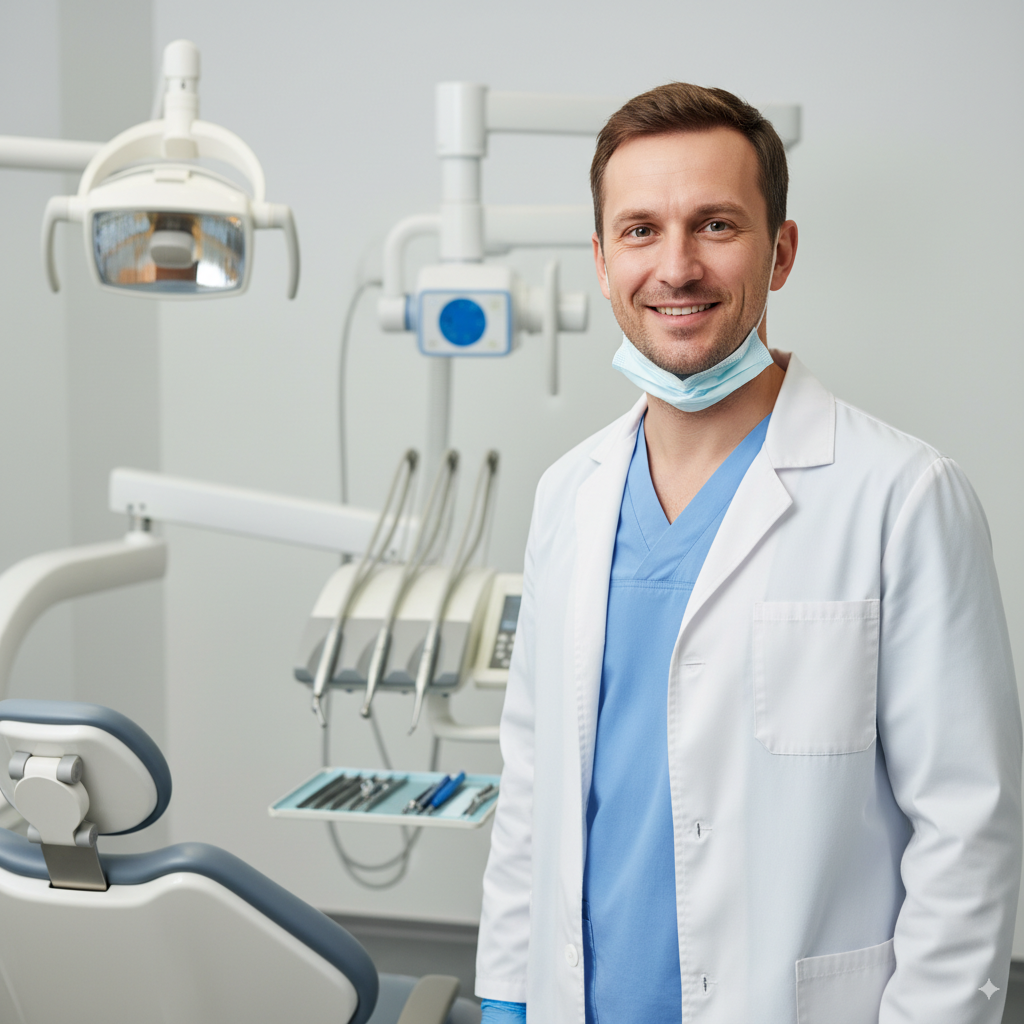
Hi, I’m Dr. Martin, the founder of BraceBasics.com. With years of experience in orthodontics, I’ve made it my mission to simplify braces care for patients of all ages. Here, you’ll find easy-to-understand advice, practical tips, and reliable resources to make your braces journey smoother, healthier, and stress-free. My goal is to help you smile with confidence every step of the way.