
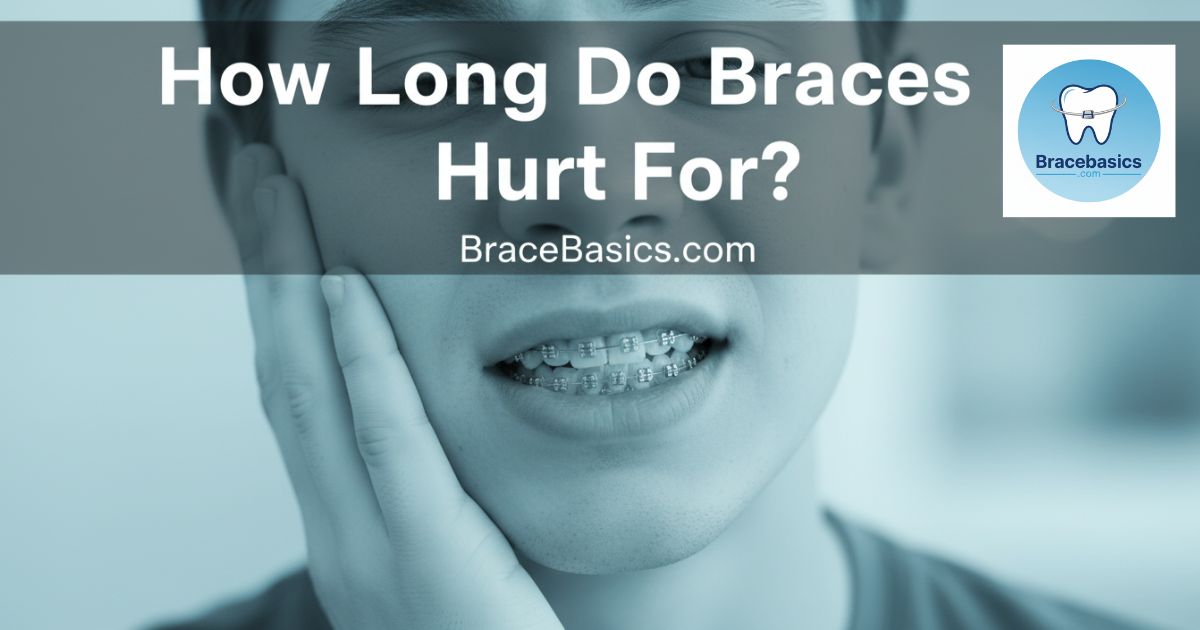
Getting braces is one of the biggest steps you can take toward a better smile. Many patients in the USA ask the same question: how long do braces hurt for? The answer is simple. Braces pain rarely lasts longer than a week, but the discomfort can feel different for everyone. Some people only notice mild pain or discomfort, while others experience teeth and gum sensitivity or even soreness in cheeks. This guide explains everything about pain from braces, why it happens, and how you can handle it at home with effective methods.
What to Expect When You Get Your Braces?
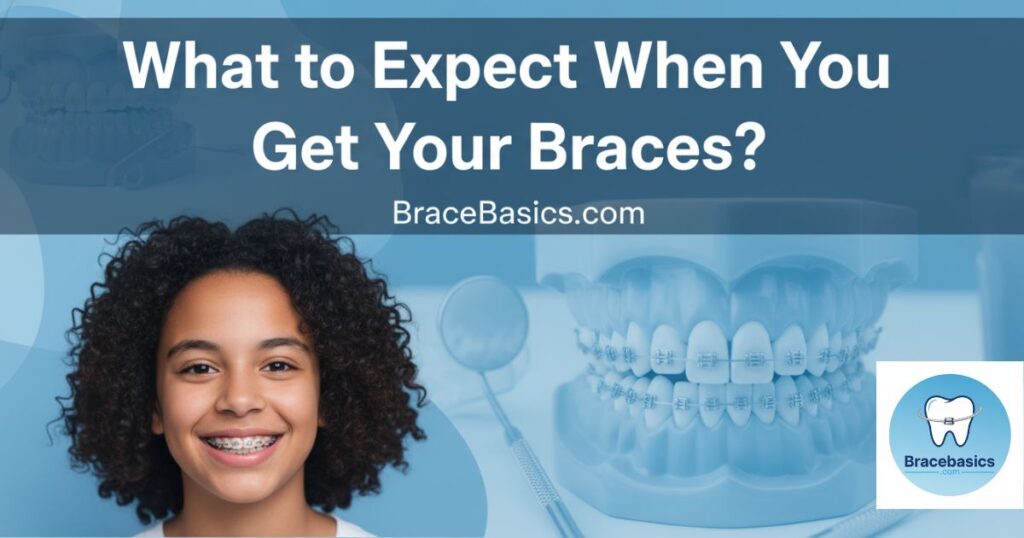
The very first day you get braces, you’ll feel stress on teeth from braces as the wires and brackets begin their work. This pressure isn’t harmful, but it does create tenderness. In the braces pain first week, you might notice swollen gums braces or sore cheeks from braces. Some people even feel sensitive gums with braces because the mouth isn’t used to the constant push.
Most USA orthodontists explain that braces hurt in the beginning but the pain reduces in a few days. Patients often report that braces pain goes away after few days if they follow simple care tips. For example, eating soft foods for braces like soup, mashed potatoes, or smoothies reduces chewing strain. It also helps to use an ice pack for braces pain if the gums feel irritated.
Why Do Braces Hurt?
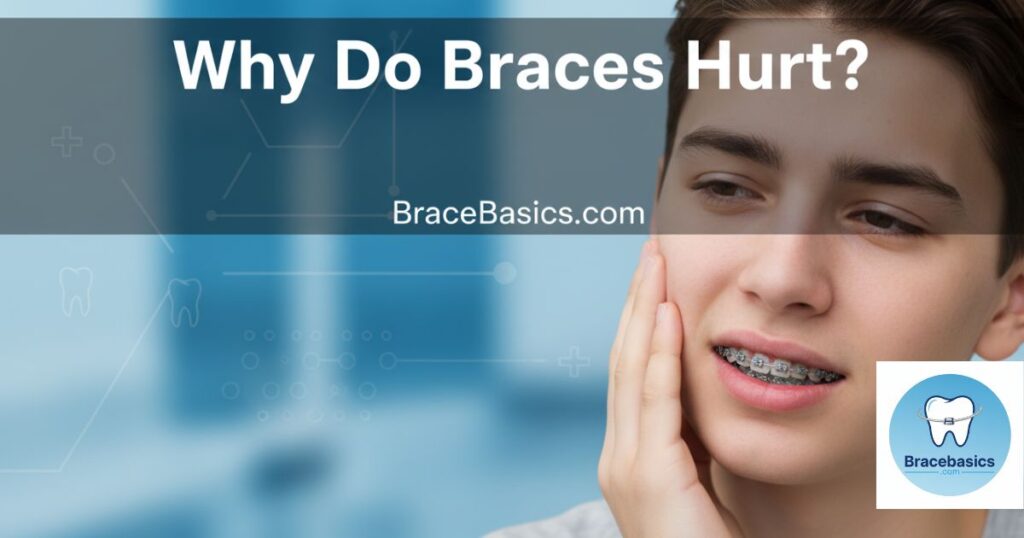
The truth about why braces hurt is linked to tooth movement. Braces apply braces pressure on teeth which slowly shifts them into new positions. That movement creates teeth and gum sensitivity and sometimes soreness in cheeks. Think of it like a workout for your jaw—muscles get sore after exercise, and teeth feel sore after adjustments.
Pain is not just from shifting teeth. Small issues like cuts from braces brackets or discomfort after braces tightening can also create irritation. Sometimes you may need non-toxic orthodontic wax to prevent irritation from braces rubbing against the inner lips. These problems aren’t dangerous, but they do explain why some people ask for braces pain relief during their treatment.
How Long Do Braces Hurt For?
Braces usually cause pain first week, and the worst soreness happens in the first 1–3 days. This is when your teeth movement stretches ligaments and puts braces pressure on your teeth. During this time, gum soreness, cheek soreness, and constant teeth and gum sensitivity are normal, which can make eating and talking a little uncomfortable.
From day 4–7, the pain starts to go away as your mouth adjusts. Most people can eat and speak normally by the end of the first week. After every orthodontist adjustment, you might feel mild soreness for 1–3 days, but it is usually not as bad as the first time. Eating soft foods for braces, using an ice pack for braces pain, taking over-the-counter pain relievers for braces, and applying non-toxic orthodontic wax for braces can help reduce discomfort.
Overall, braces pain duration is short and temporary. Most patients feel normal by the second week. Mild soreness may happen after adjustments, but following good dental braces care and tips to manage braces discomfort makes the process much easier and more comfortable.
7 Shocking Truths You Must Know
Many people are surprised by how braces pain feels during the first week. Understanding the realities of soreness and discomfort can help you prepare and manage it better. Here are 7 shocking truths that most patients learn the hard way, along with tips to make the experience easier.
- Braces hurt more than you expect initially – When braces are first applied, teeth movement stretches ligaments, causing unexpected soreness. Chewing and talking may feel uncomfortable, and even soft foods for braces might feel sensitive.
- Pain comes in waves, not constant – Soreness doesn’t stay steady. It can spike after meals, while chewing, or after adjusting your lips and cheeks around brackets. This is part of normal braces discomfort.
- Adjustments cause temporary spikes in discomfort – Every orthodontist adjustment tightens wires or changes elastics. This can trigger 1–3 days of braces pain after adjustments, which is usually milder than the initial pain.
- Soft foods can reduce pain significantly – Eating soft foods for braces like yogurt, mashed potatoes, smoothies, or soup eases discomfort while allowing your mouth to heal. Hard or sticky foods can worsen gum soreness.
- Everyone experiences soreness differently – Age, pain tolerance, and the type of braces affect intensity. Teens may adapt faster, while adults may notice more teeth sensitivity and cheek soreness.
- Pain usually subsides within a week – Most patients find that braces pain first week peaks in the first 1–3 days, then gradually fades. By the end of the week, eating and talking become much more comfortable.
- Proper care can prevent long-term discomfort – Following dental braces care, using braces wax, avoiding hard foods, and practicing good hygiene reduces recurring pain and prevents issues like mouth irritation from braces or severe swollen gums braces.
Do Braces Hurt After Adjustments?
Each month, you’ll return for an orthodontist adjustment. These visits tighten the wires and sometimes add additional pressure from rubber bands. The result is short-term pain known as braces tightening pain. Many people notice it within a few hours and the discomfort after braces tightening can last two or three days.
Although adjustments cause new tenderness, it’s not as bad as the first week of treatment. Some patients describe it as dull mild pain or discomfort rather than sharp pain. Eating cold foods for pain relief like ice cream or yogurt works well. Many people also rely on Advil for braces pain or use Orajel for braces pain as oral anesthetics for braces pain to get through the roughest nights.
Long-Term Pain Management with Braces
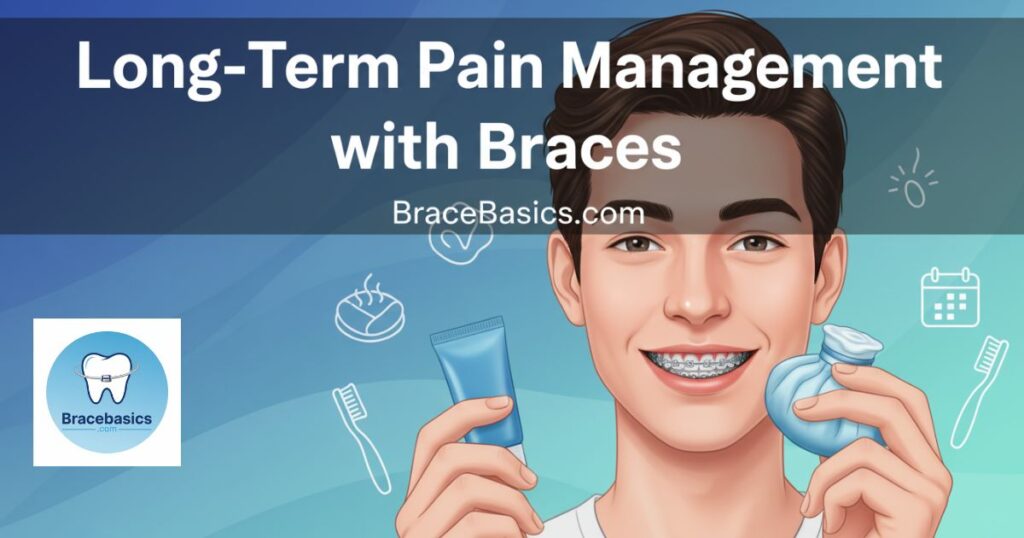
Even after the adjustment period, small aches sometimes return. Loose wires may poke your mouth and cause cuts from braces brackets. These issues are managed with non-toxic orthodontic wax for braces, which helps prevent irritation from braces. If wax isn’t enough, a quick orthodontist consultation can solve it.
It’s important to understand that braces pain rarely lasts longer than a week after each change. Braces hurt in the beginning and during adjustments, but day-to-day life feels normal most of the time. With consistent pain management with braces, the journey becomes easier until removal day.
Factors That Affect How Long Braces Hurt
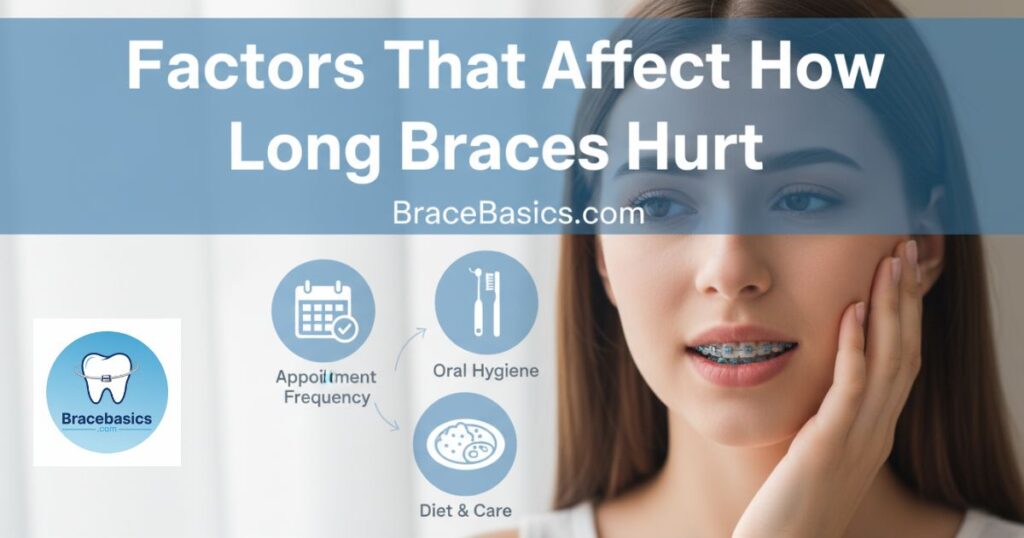
Not every patient feels pain the same way. Age is one factor, kids often recover faster because their bones and gums are softer. Adults may feel sensitive gums with braces for longer periods.
Treatment complexity also affects braces discomfort duration. Simple spacing issues cause less strain compared to serious bite corrections. Some people even need rubber bands on braces pain which adds additional pressure from rubber bands to shift the jaw. Lifestyle habits like diet, stress, and oral hygiene also shape how quickly the mouth adapts.
Tips to Manage and Relieve Braces Pain
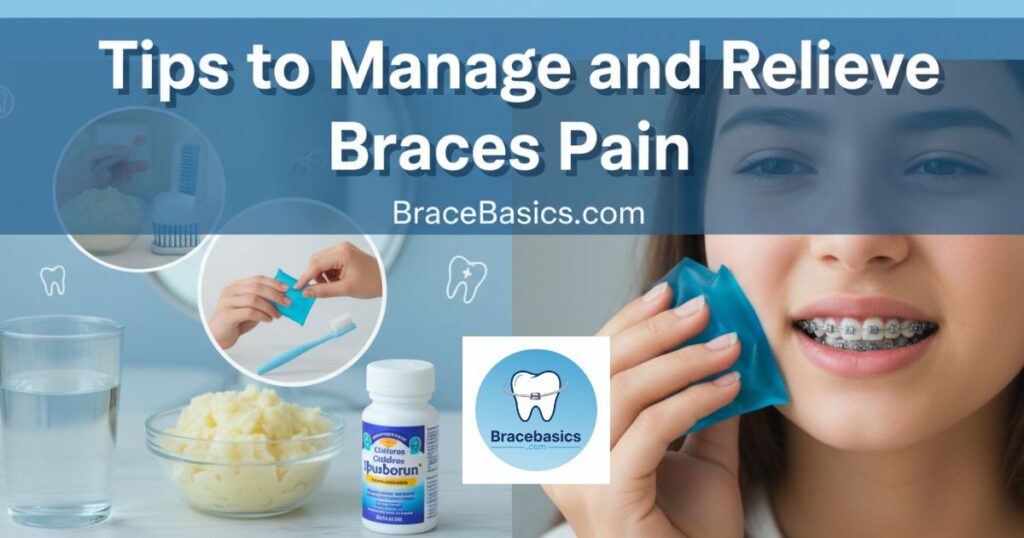
Good care makes braces easier. Eating soft foods for braces such as pudding, oatmeal, and scrambled eggs protects sore teeth. Cold smoothies or popsicles act as cold foods for pain relief, which can relieve inflammation from braces.
At home, you can try at-home remedies for braces pain like saltwater rinses or applying an ice pack for braces pain. If the pain is stronger, over-the-counter pain relievers for braces such as Advil for braces pain work well. For local soreness, Orajel for braces pain provides quick comfort. These methods help you relieve braces pain naturally without too much stress.
When Should You Worry About Braces Pain?
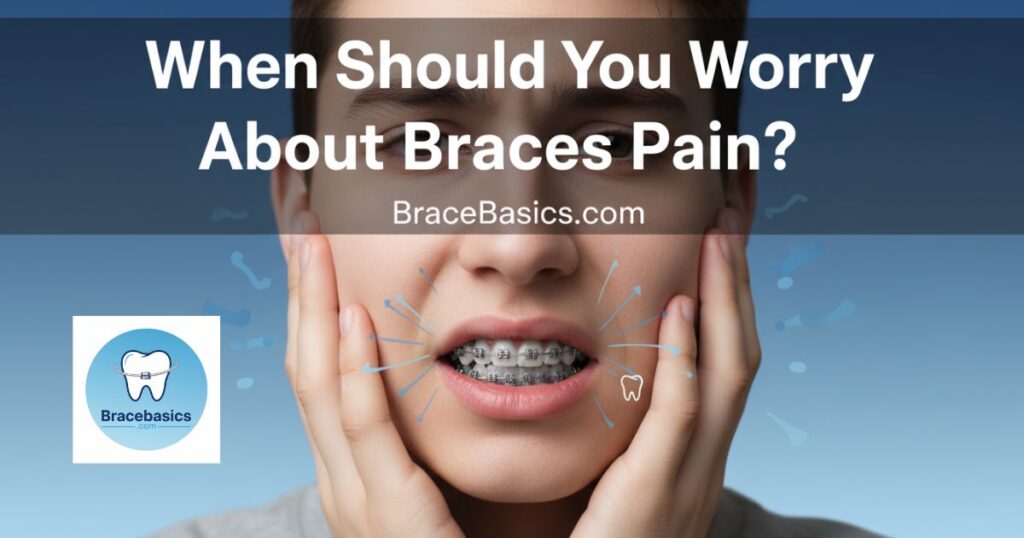
Most discomfort is normal and part of the process, but some warning signs require help. Severe swollen gums braces, bleeding that doesn’t stop, or constant teeth and gum sensitivity may signal infection or another problem. In such cases, only an orthodontist consultation can rule out serious issues.
If you ever feel unbearable pain that doesn’t reduce with at-home remedies for braces pain, it’s time to call your doctor. Remember, braces pain rarely lasts longer than a week, so if it continues beyond that, it could mean something needs correction.
Table: Braces Pain Timeline and Relief Methods
| Stage | Pain Level | Duration | Relief Methods |
| First fitting | High | 3–7 days | Soft foods for braces, ice pack for braces pain, over-the-counter pain relievers for braces |
| Adjustment visits | Moderate | 2–3 days | Advil for braces pain, Orajel for braces pain, cold foods for pain relief |
| Long-term issues | Mild | Random | Non-toxic orthodontic wax, at-home remedies for braces pain, orthodontist consultation |
Conclusion
So, how long do braces hurt for? The answer is usually a few days after fitting or adjustments. The pain may feel strong in the braces pain first week, but it fades as your mouth adapts. By following proper pain management with braces, you’ll find comfort returns quickly.
Yes, braces hurt in the beginning, but they lead to a lifetime of confident smiles. With at-home remedies for braces pain, non-toxic orthodontic wax, and guidance from an orthodontist consultation, you can handle the journey. Remember, braces pain goes away after few days, and every bit of temporary soreness leads to a beautiful permanent result.
FAQs
How much do braces hurt on a scale of 1 to 10?
Pain from braces varies depending on your pain tolerance, age, and the type of braces. Most people rate braces pain first week between 3 and 6 out of 10. The first 1–3 days after placement or braces tightening are usually the worst. Minor gum soreness, cheek soreness, and teeth sensitivity are normal. Proper pain management with braces, including soft foods for braces and ice pack for braces pain, can help reduce discomfort significantly.
What foods worsen braces pain?
Hard, sticky, or chewy foods increase braces discomfort and can even damage brackets or wires. Foods like nuts, popcorn, caramel, hard candy, and chewing gum put extra braces pressure on teeth. Crunchy raw vegetables or tough meats can also worsen mouth irritation from braces. During the braces first week, it’s best to stick to soft foods for braces such as yogurt, mashed potatoes, smoothies, soups, and scrambled eggs to avoid extra soreness.
How long will my teeth hurt after getting braces?
Most patients feel braces pain first week, with the worst discomfort in the first 1–3 days as teeth movement stretches ligaments. By day 4–7, soreness usually decreases, and most people feel comfortable eating and speaking. After orthodontist adjustments, mild soreness may return for 1–3 days. Using over-the-counter pain relievers for braces, non-toxic orthodontic wax for braces, and ice pack for braces pain can shorten the pain duration and make it more manageable.
What stage of braces hurts the most?
The most painful stage is usually the first week after braces are placed. Initial placement creates the strongest braces pressure, stretching ligaments and triggering gum soreness and cheek soreness. Another uncomfortable stage is immediately after braces tightening or adjustments, but this pain is generally milder and shorter, lasting 1–3 days. Pain gradually reduces over time as your mouth adjusts to teeth movement.
Is ibuprofen bad for braces?
No, ibuprofen is safe for braces if used as directed. It is commonly used to relieve braces pain after adjustments or mild vs severe braces pain during the first few days. Ibuprofen does not affect brackets, wires, or tooth movement. Always follow the recommended dosage, and consult your orthodontist if you have any medical concerns. Using over-the-counter pain relievers for braces is a standard part of pain management with braces.
What is the best age to get braces?
The best age for braces is usually between 10 and 14 years old, when permanent teeth have mostly come in and the jaw is still growing. Teenagers often adapt faster to braces pain than adults due to quicker teeth movement and less gum soreness. Adults can get braces too, but they may experience more pronounced discomfort and slightly longer treatment times. Proper dental braces care and following tips to manage braces discomfort are essential at any age.
Hi, I’m Dr. Martin, the founder of BraceBasics.com. With years of experience in orthodontics, I’ve made it my mission to simplify braces care for patients of all ages. Here, you’ll find easy-to-understand advice, practical tips, and reliable resources to make your braces journey smoother, healthier, and stress-free. My goal is to help you smile with confidence every step of the way.